CAG, IIT Madras launch four-month online certification course in digital systems audit
Source Entity
The Indian Express
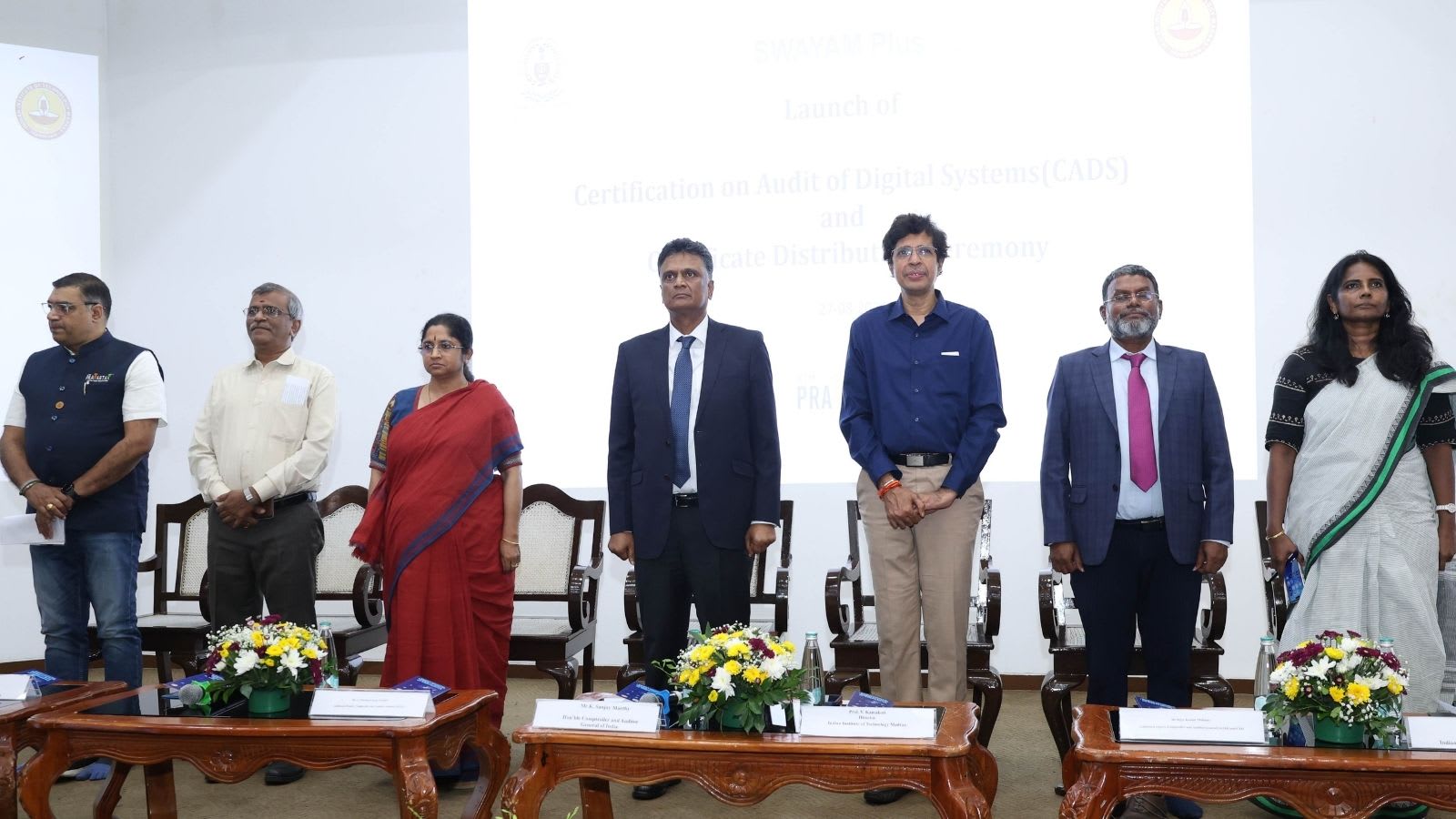
The CAG and IIT Madras have launched a four-month online certification course called CADS to train professionals in auditing digital systems. This initiative aims to improve transparency and accountability in governance as organizations increasingly adopt AI and cloud infrastructure.
Bridging the Digital Governance Gap: The CAG and IIT Madras Partnership
In a landmark collaboration, the Comptroller and Auditor General of India (CAG) and the Indian Institute of Technology (IIT) Madras have launched the 'Certification on Audit of Digital Systems' (CADS). Officially introduced on August 27 via the SWAYAM Plus platform, this four-month online course represents a strategic shift in how public institutions approach the oversight of increasingly complex digital infrastructures. By marrying the regulatory expertise of the CAG with the technical prowess of IIT Madras, this initiative aims to create a new cadre of auditors equipped to navigate the intricacies of modern digital governance.
The Imperative for Digital Oversight
As governments and private enterprises accelerate their transition toward data-driven services, the traditional methods of auditing are proving insufficient. The rapid integration of Artificial Intelligence (AI), cloud computing, and decentralized digital frameworks has created a landscape where systemic risks are often hidden beneath layers of code. The CADS curriculum is specifically designed to address these challenges, providing learners with the specialized skills necessary to scrutinize these complex digital environments, thereby ensuring that technological adoption does not come at the expense of transparency or accountability.
Democratizing Specialized Knowledge
One of the most significant aspects of the CADS programme is its accessibility. By offering the certification fully online through the SWAYAM Plus portal, the organizers have effectively democratized access to high-level auditing expertise. The program is open to undergraduate students and degree holders across India, breaking down traditional barriers to elite technical education. This inclusivity is crucial, as it allows for a diverse demographic of professionals to enter the workforce with the specific skill sets required to manage the digital systems of the future.
Strengthening the Pillars of Governance
At its core, this certification is about reinforcing the pillars of democratic governance: transparency and accountability. As public services move online, the 'digital audit' becomes the primary mechanism for verifying that these systems are functioning correctly, ethically, and securely. By training auditors to understand the logic behind data-driven services, the CAG and IIT Madras are creating a safeguard against systemic failures and potential corruption in digital infrastructure, ensuring that the digital transformation of the Indian state remains robust and reliable.
Future Implications and Workforce Readiness
Looking ahead, the CADS initiative is likely to set a new benchmark for professional certification in India. As the reliance on cloud platforms and AI continues to grow, the demand for professionals who can bridge the gap between audit standards and technical implementation will surge. This course not only prepares students for immediate career opportunities but also contributes to a long-term national goal of building a digitally literate and security-conscious workforce capable of overseeing the nation’s technological backbone.
Conclusion
The partnership between the CAG and IIT Madras is a proactive step toward securing the future of digital governance. By formalizing the audit process for digital systems, the CADS programme provides the necessary tools to maintain integrity in an era of rapid technological change. This initiative is a testament to the importance of institutional collaboration in addressing the evolving complexities of the 21st-century digital landscape.