Detained on suspicion of being Bangladeshi, 19 Bengal workers released from Chhattisgarh
Source Entity
India Latest News: Top National Headlines Today & Breaking News | The Hindu
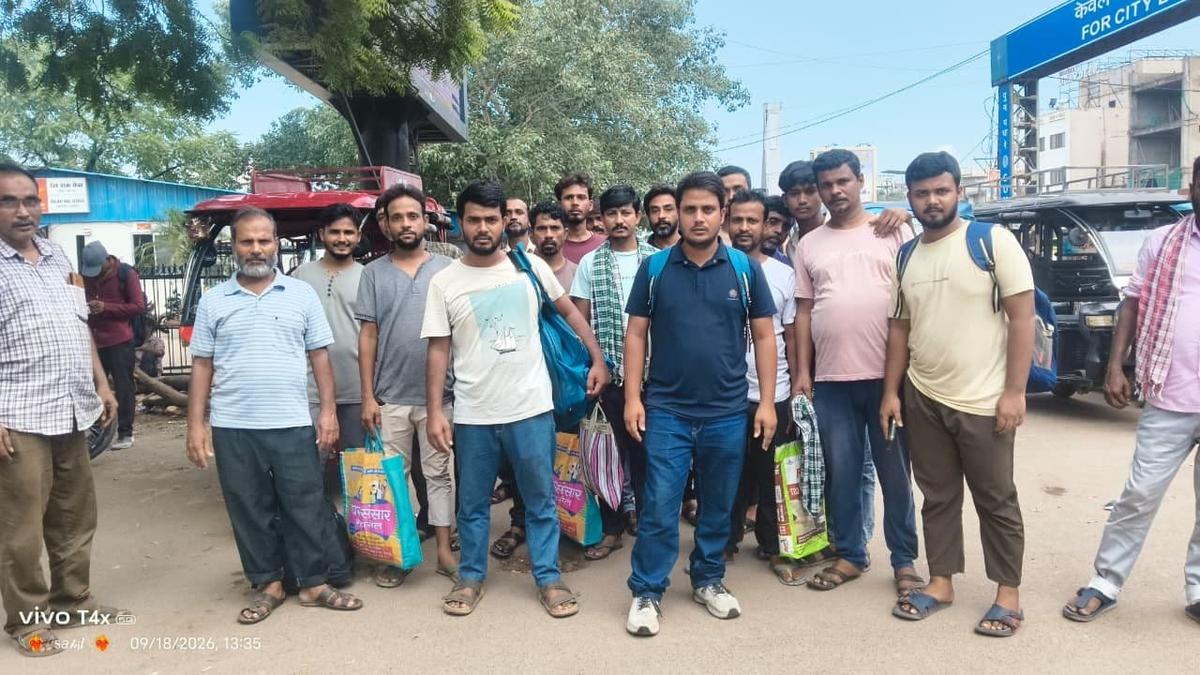
The Calcutta High Court has criticized the West Bengal government for the arbitrary detention of a Murshidabad man suspected of being a Bangladeshi national. Simultaneously, 19 migrant workers from the same region were released in Chhattisgarh after facing similar unsubstantiated accusations.
Judicial Scrutiny of Arbitrary Detentions in West Bengal
The Calcutta High Court has initiated a critical review of the West Bengal government’s detention practices following the case of Sahidul Sheikh, a resident of Murshidabad’s Dubapara village. Sheikh was apprehended by the Raninagar police on August 8 and subsequently held in the custody of the Foreigners Regional Registration Officer (FRRO) for over a month. The court’s intervention highlights a growing concern regarding the lack of due process and the reliance on mere suspicion as a basis for stripping citizens of their liberty.
The Human Rights Dimension
During the proceedings, Justice Saugata Bhattacharyya questioned the state’s methodology, drawing parallels to the historical context of the 1970s and 80s when border crossings were frequent. The court challenged the state on whether it intended to subject thousands of citizens to similar proceedings, effectively violating fundamental human rights. By demanding the production of the detention and arrest memos, the judiciary is forcing the state to justify the legal threshold used to categorize residents as foreign nationals, potentially setting a precedent for protecting citizens from bureaucratic overreach.
Migrant Workers and Profiling
The issue of identity-based suspicion extends beyond the borders of West Bengal. In a parallel development, 19 migrant workers from Murshidabad's Samserganj and Sahabad areas were released in Chhattisgarh on September 18, 2026. These individuals had been working as itinerant house-to-house vendors in Bilaspur before being detained by local police on September 4. The detention of these 23 workers—of whom 19 have now been cleared—underscores a systemic problem where socioeconomic status and regional origin are used as proxies for nationality.
Socioeconomic Implications of Forced Displacement
For many residents of Murshidabad, migration to other Indian states in search of labor is a critical economic necessity. However, as these incidents demonstrate, this mobility often subjects them to intense scrutiny and local hostility. When migrant workers are detained on the unfounded suspicion of being Bangladeshi, it disrupts their livelihoods and reinforces a climate of fear. This creates a cycle where the very act of seeking employment outside one’s home state becomes a high-risk endeavor, potentially hindering internal labor migration.
Future Trends and Judicial Oversight
The intervention of the Calcutta High Court serves as a vital check on administrative power. As the state is directed to file affidavits explaining the grounds for confinement, the legal system is signaling that 'suspicion' alone is an insufficient basis for state-sponsored detention. Moving forward, it is likely that courts will demand more robust evidentiary standards before individuals are handed over to agencies like the FRRO. This trend is essential for ensuring that the constitutional rights of Indian citizens are not sacrificed at the altar of administrative convenience or xenophobic profiling.
Multiple Citing Sources
Verification Required?