13 calls with candidate before interview: CID on KPSC member under scrutiny
Source Entity
The Indian Express
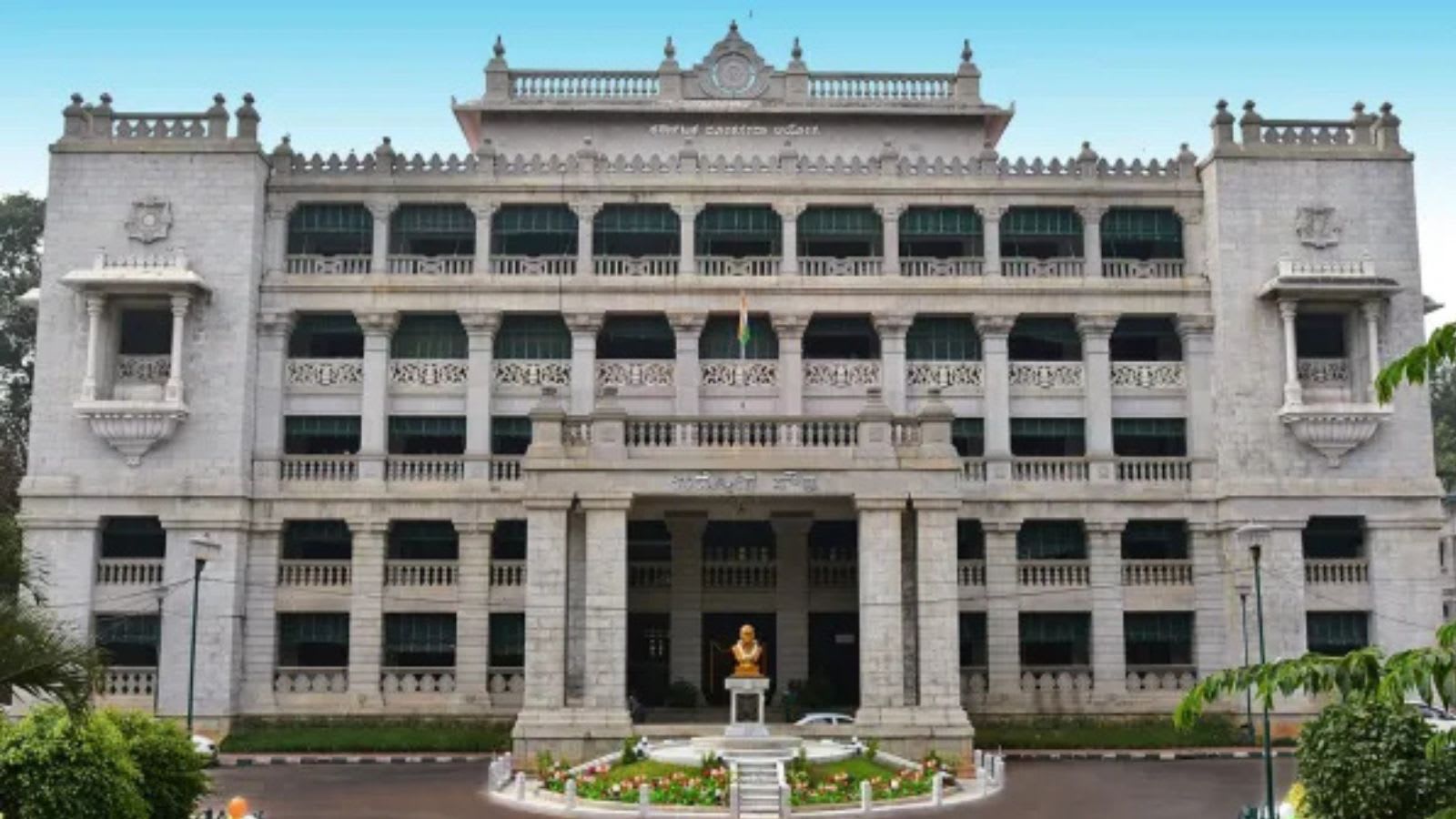
The Karnataka CID and Enforcement Directorate are investigating a major recruitment scam involving the KPSC, centering on allegations of bribery and exam manipulation. High-profile figures, including KPSC member Dr. Shanta Hosamani and IAS officer Gyanendra Kumar Gangwar, face scrutiny over illicit financial transactions and procedural irregularities.
The KPSC Recruitment Scandal: A Deep Dive into Alleged Corruption
Unraveling the Web of Irregularities
The Karnataka Public Service Commission (KPSC) has become the epicenter of a sprawling corruption investigation, drawing scrutiny from both the Karnataka Criminal Investigation Department (CID) and the Enforcement Directorate (ED). At the heart of the probe are allegations of systemic malpractice in the recruitment processes for Karnataka Administrative Service (KAS) officers and veterinary doctors. The investigation has exposed a network of influence, with evidence suggesting that high-ranking officials and intermediaries played a pivotal role in compromising the integrity of state-level recruitment.
The Role of High-Ranking Officials
The investigation gained significant momentum following the revelation that KPSC member Dr. Shanta Hosamani engaged in 13 phone calls with a candidate shortly before a crucial May 8 interview. This direct contact has raised serious questions regarding the impartiality of the KPSC selection process. The CID’s findings, presented during court proceedings regarding an anticipatory bail plea, underscore the depth of the alleged interference in what is intended to be a meritocratic system.
IAS Involvement and Money Laundering
Beyond the KPSC commission members, the involvement of IAS officer Gyanendra Kumar Gangwar has escalated the severity of the case. As the former KPSC exam controller, Gangwar’s arrest by the ED highlights the intersection of administrative corruption and potential money laundering. The ED’s intervention signifies a shift from investigating simple procedural bias to examining the financial architecture behind the alleged scam, specifically focusing on how positions were purportedly sold.
The Mechanics of the Scam
Evidence gathered by the CID points to a sophisticated operation involving a middleman, identified as Basavaraj Kannale. Reports indicate that 11 out of 329 aspirants allegedly paid sums ranging from Rs 35 lakh to Rs 80 lakh to secure veterinary doctor positions. The capture of Kannale in New Delhi and the subsequent custodial interrogation of both him and Gangwar by the ED suggest that these irregularities were not isolated incidents but part of a structured illicit enterprise.
Broader Implications and Institutional Trust
The fallout from this scandal poses a severe threat to public trust in the KPSC, an institution tasked with upholding meritocracy in state governance. When candidates from humble backgrounds, like the KAS aspirant mentioned in CID reports, are forced to navigate a system allegedly rife with "pay-to-play" schemes, it disenfranchises the youth and undermines the quality of public administration. The ongoing legal battles, including the rejection of bail pleas, indicate that the judiciary is taking a firm stance on the necessity of transparency.
Future Trends and Reform Necessity
As the ED and CID continue their joint efforts to map out the financial trails and organizational lapses, the future of the KPSC will likely depend on the success of these prosecutions. Moving forward, the state government will face immense pressure to implement rigorous oversight mechanisms. The case serves as a stark reminder that without stringent internal controls and the decoupling of political or personal influence from recruitment, public institutions remain highly vulnerable to exploitation by those in positions of power.
Multiple Citing Sources