‘Selling berths like vegetables’: Calcutta High Court pulls up TTEs in train murder case
Source Entity
Richa Sahay
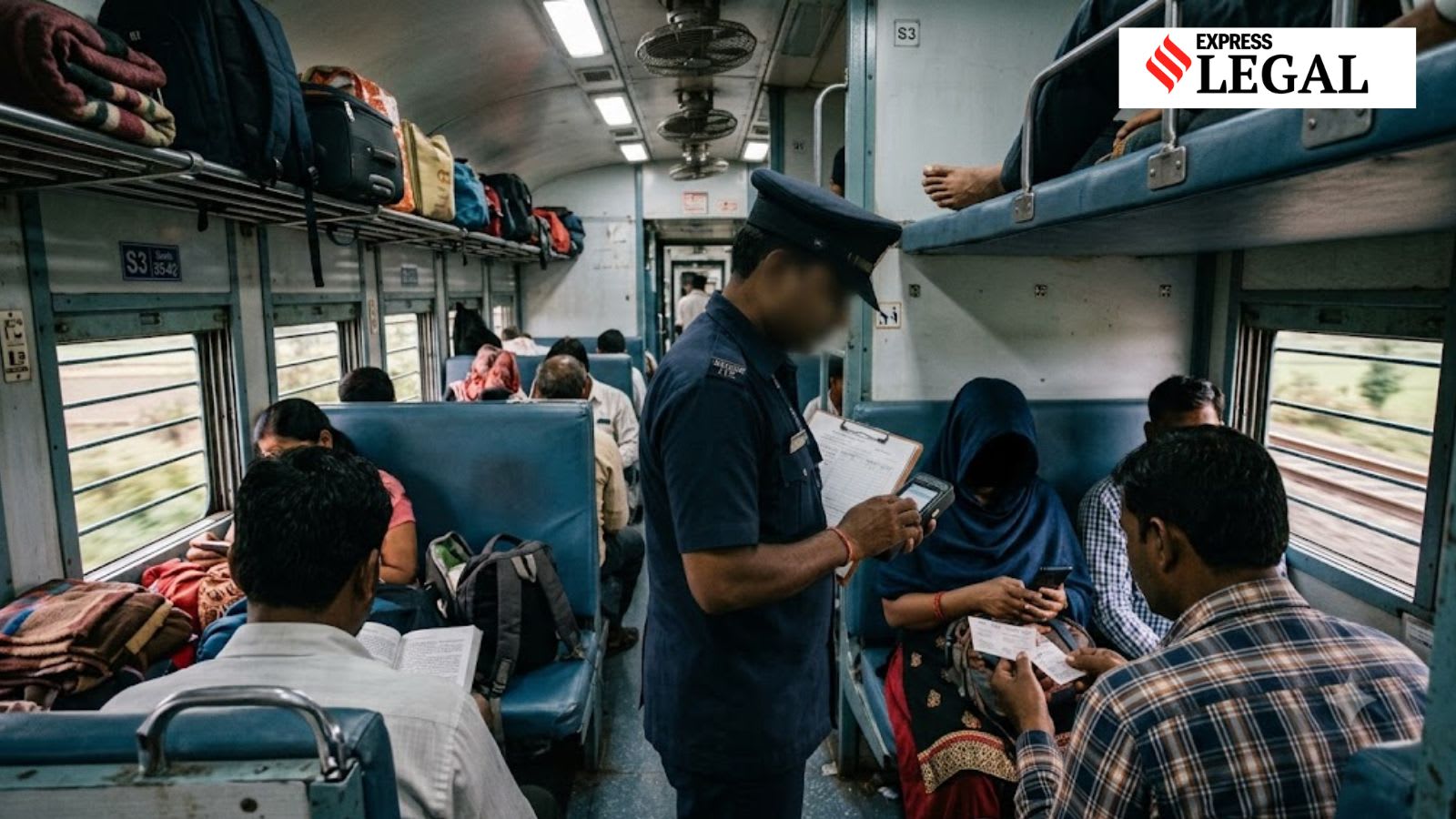
The Calcutta High Court has come down heavily on Travelling Ticket Examiners (TTEs) for allegedly allotting berths to unreserved passengers in exchange for money, observing that vacant berths were bei...
Judicial Scrutiny of Railway Corruption: The Calcutta High Court's Stern Warning
In a scathing observation that highlights deep-seated systemic failures within the Indian Railways, the Calcutta High Court recently pulled up Traveling Ticket Examiners (TTEs) for their role in an illegal berth-allocation racket. While presiding over a train murder case, the court noted with dismay that vacant reserved berths were being sold to unreserved passengers for monetary gain, using the vivid and damning analogy that these berths were being "sold like vegetables." This judicial intervention underscores a critical intersection between petty corruption and grave security lapses, suggesting that the illegal exchange of seats is not merely a financial crime but a catalyst for larger tragedies.
The Nexus Between Corruption and Security
The court's focus on this practice is particularly significant because it arose during the investigation of a murder. When TTEs bypass official protocols to allocate berths to unauthorized individuals in exchange for bribes, they effectively erase the audit trail of who is occupying a specific space on a train. In a criminal investigation, the passenger manifest is the primary tool for identifying suspects and witnesses. By allowing "ghost passengers"—those who have paid a bribe rather than a ticket—to occupy berths, TTEs create a security vacuum. This lack of accountability makes it significantly harder for law enforcement to track movements and identify perpetrators, directly hindering the pursuit of justice in violent crimes.
Historical Context of Railway Graft
Corruption among TTEs has been a persistent, though often under-reported, issue in the Indian Railway system. For decades, the high demand for reserved travel combined with a complex waiting-list system has created a thriving black market. Unreserved passengers, desperate for comfort or safety, often negotiate with TTEs who have the discretionary power to manage vacant seats. Historically, this was seen as a "perk" of the job or a minor administrative irregularity. However, the Calcutta High Court's intervention signals a shift in judicial perspective, reclassifying these actions as serious derelictions of duty that compromise public safety and the integrity of the state's transport infrastructure.
Systemic Failures in Oversight
The "vegetable-style" selling of berths points to a failure in the internal monitoring mechanisms of the railway administration. Despite the digitalization of ticketing through the IRCTC, the final allocation of vacant seats remains largely at the discretion of the TTE on the move. This manual gap in an otherwise digital system provides the loophole necessary for graft. The court's frustration suggests that previous administrative warnings have been ignored and that only judicial pressure can force a change in the culture of the railway staff. The implication is clear: the administration has failed to implement a transparent, real-time system for berth reallocation that removes human bias and greed from the process.
Broader Implications for Passenger Safety
Beyond the immediate legal case, this revelation raises alarming questions about the safety of reserved coaches. Reserved compartments are designed to provide a secure environment, particularly for women, children, and the elderly. When berths are sold illegally, the railway loses control over who enters these "safe zones." The presence of unverified individuals, admitted through bribes rather than official identity checks, increases the risk of theft, harassment, and, as seen in this specific case, violent crime. The court's observation serves as a wake-up call that administrative corruption in the transport sector has direct, tangible consequences on the physical safety of millions of citizens.
Future Trends and Necessary Reforms
Moving forward, it is likely that the Indian Railways will be forced to accelerate the implementation of fully digitized, biometric-linked berth management systems to eliminate TTE discretion. We can expect a trend toward "smart coaching," where berth occupancy is tracked via sensors or digital check-ins that are synced instantly with a central database, leaving no room for off-the-books transactions. Furthermore, this judicial reprimand may lead to stricter disciplinary codes and harsher penalties for TTEs found engaging in such practices. The Calcutta High Court has set a precedent that treats the illegal sale of berths not as a minor bribe, but as a serious breach of public trust and security.
Summary
The Calcutta High Court's condemnation of TTEs for "selling berths like vegetables" exposes a dangerous culture of corruption that transcends simple bribery. By linking these illegal transactions to a murder investigation, the court has highlighted how administrative graft directly undermines criminal justice and passenger security. This case serves as a pivotal demand for the Indian Railways to close the loopholes in berth allocation and prioritize accountability over discretionary convenience.