Caleb Williams possible Achilles injury? Bears QB screams in pain as fans say 'Madden curse alive'
Source Entity
Latest News: Todays Latest News Headlines from India & World | Hindustan Times | Hindustan Times
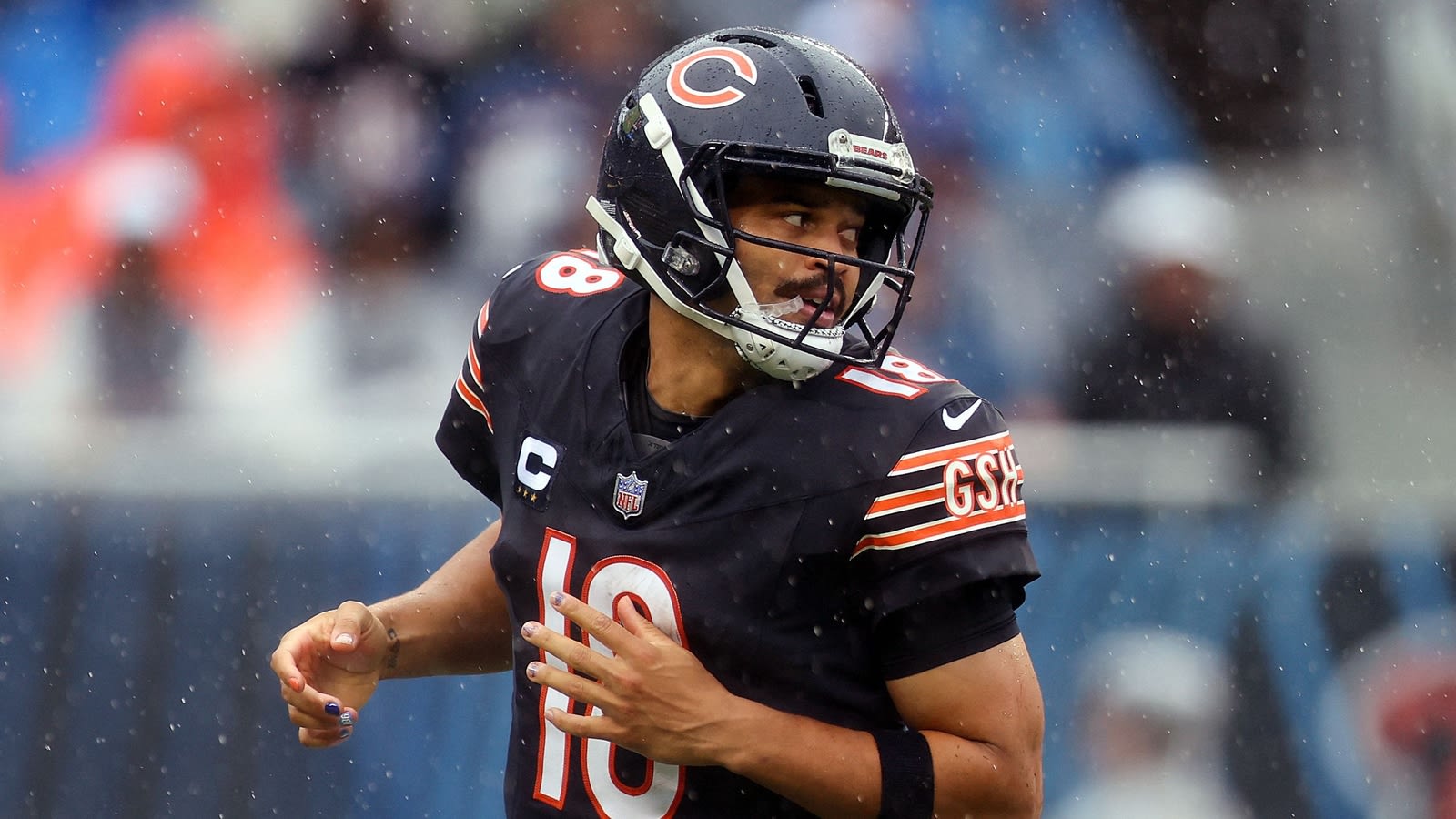
Chicago Bears quarterback Caleb Williams exited a game against the Minnesota Vikings following a non-contact injury during a scramble. While initial fears pointed toward a potential Achilles issue, official reports confirmed the injury as a right hamstring strain.
The Incident: An Injury Scare in Chicago
The Chicago Bears faced a precarious moment during their recent matchup against the Minnesota Vikings, as rookie quarterback Caleb Williams was forced to exit the game. The incident occurred during the late stages of the fourth quarter, with the scoreline tightly contested at 6-3. As Williams attempted a scramble toward the end zone, he collapsed in a non-contact situation, appearing to be in significant physical distress. The visual of the quarterback writhing on the field prompted immediate concern from fans, the coaching staff, and medical personnel, who eventually transported him off the field on a cart.
Initial Speculation vs. Official Medical Diagnosis
In the immediate aftermath of the injury, speculation ran rampant across social media platforms. Given the nature of non-contact injuries, many observers feared the worst, including a potential Achilles tendon rupture, a devastating injury that often requires a lengthy rehabilitation process. However, NFL insider Adam Schefter later clarified the situation, reporting that the 24-year-old quarterback had sustained a right hamstring injury. This distinction is crucial, as hamstring strains, while potentially debilitating depending on the grade, often follow a different recovery trajectory than lower-leg ligament or tendon damage.
The Role of Social Media in Injury Reporting
Following the game, the conversation shifted toward visual evidence circulating on platforms like X (formerly Twitter). Images emerged purportedly showing Williams walking near the locker room in different attire, which led to a flurry of speculation regarding the severity of his condition. While these images were intended to offer a glimpse into the quarterback's status, they highlight the modern phenomenon of fan-led injury analysis. In the digital age, every movement of a high-profile athlete is scrutinized, often creating a disconnect between the raw medical reality of the injury and the public's perception of the player's recovery speed.
Tactical Implications for the Bears
Williams' departure serves as a stark reminder of the inherent risks associated with modern quarterback play. As the NFL evolves toward mobile, dual-threat signal callers, the reliance on quarterbacks to scramble for yardage has increased. This playstyle, while effective for extending drives, places the team’s most vital asset in harm's way. The Bears’ ability to remain competitive in the NFC North will now hinge on how they manage Williams' recovery and whether they adjust their offensive scheme to protect their franchise centerpiece from similar non-contact scenarios in the future.
Future Outlook and Recovery
The long-term implications for the Chicago Bears are significant. Hamstring injuries are notoriously prone to re-aggravation, necessitating a conservative approach to rehabilitation. The medical staff will likely monitor Williams closely, prioritizing long-term health over immediate return-to-play timelines. As the team looks toward the remainder of the season, the focus will remain on the quarterback's ability to regain his explosive speed and mobility, which are foundational elements of his current playing style. The organization must now balance the pressure of a competitive season with the medical imperative of ensuring Williams does not return before he is fully healed.
Verification Required?