California turns to an AI-powered ‘Iron Dome’ to fight deadly mosquitoes
Source Entity
TOI TECH DESK
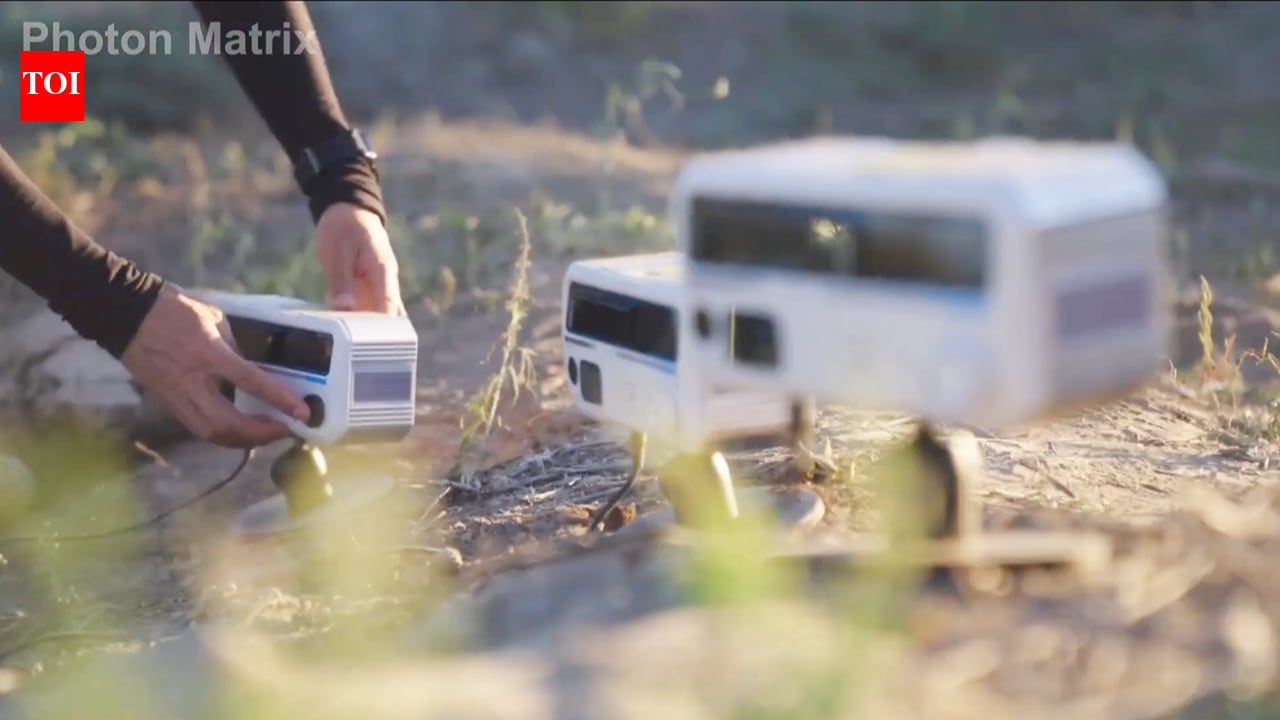
California is deploying a new AI-powered 'Photon Matrix' device that uses LiDAR and lasers to selectively eliminate mosquitoes. This chemical-free, high-tech solution aims to curb rising West Nile Virus cases without harming beneficial insects.
The Technological Frontier of Pest Control
As California grapples with an uptick in West Nile Virus cases, largely driven by shifting climate patterns and warmer temperatures that favor mosquito breeding, the state is witnessing the emergence of a novel defense mechanism. The introduction of the 'Photon Matrix'—an AI-powered device—represents a significant pivot from traditional chemical-heavy pest management toward high-precision, automated intervention. By leveraging advanced detection systems, this technology provides a sophisticated response to the growing public health threat posed by disease-carrying insects.
How the 'Iron Dome' for Mosquitoes Operates
Often described as an 'Iron Dome' for mosquitoes, the device utilizes a complex integration of LiDAR (Light Detection and Ranging) and radar technology. This sensor suite allows the system to monitor its surroundings in real-time. Once a mosquito is identified, the onboard AI directs a precision blue laser to neutralize the target. This targeted approach is a critical advancement because, unlike traditional bug zappers that kill indiscriminately, the Photon Matrix is programmed to distinguish between mosquito species and beneficial flying insects, such as butterflies.
Implications for Public Health and Environment
The shift toward a chemical-free solution is particularly timely. For decades, mosquito control has relied heavily on broad-spectrum pesticides, which can have detrimental effects on local ecosystems and human health. By opting for a light-based, non-toxic method, this technology addresses the need for effective vector control while minimizing the environmental footprint. This move could set a precedent for how urban and suburban environments manage disease vectors in an era of increasing climate-related health risks.
Market Accessibility and Deployment
Currently, the device is available in two distinct configurations: an outdoor model priced at $1,088 and an indoor model retailing at $988. While these price points place the technology in the premium category for residential use, the potential for reduced healthcare costs associated with West Nile Virus treatment may provide a compelling long-term value proposition. The availability of both indoor and outdoor versions suggests a versatile application, allowing users to create a protected perimeter around their homes.
Future Trends in Automated Pest Defense
Looking ahead, the success of the Photon Matrix in California could herald a broader trend toward AI-driven environmental management. As the technology matures, we may see further miniaturization, cost reductions, and increased range for these devices. If the AI becomes adept at identifying diverse species with even higher accuracy, this type of hardware could become a staple of smart-home infrastructure, transforming the way society mitigates the dangers posed by the world’s deadliest creature.