California farmers are struggling to sell grapes as demand for wine drops
Source Entity
Hacker News
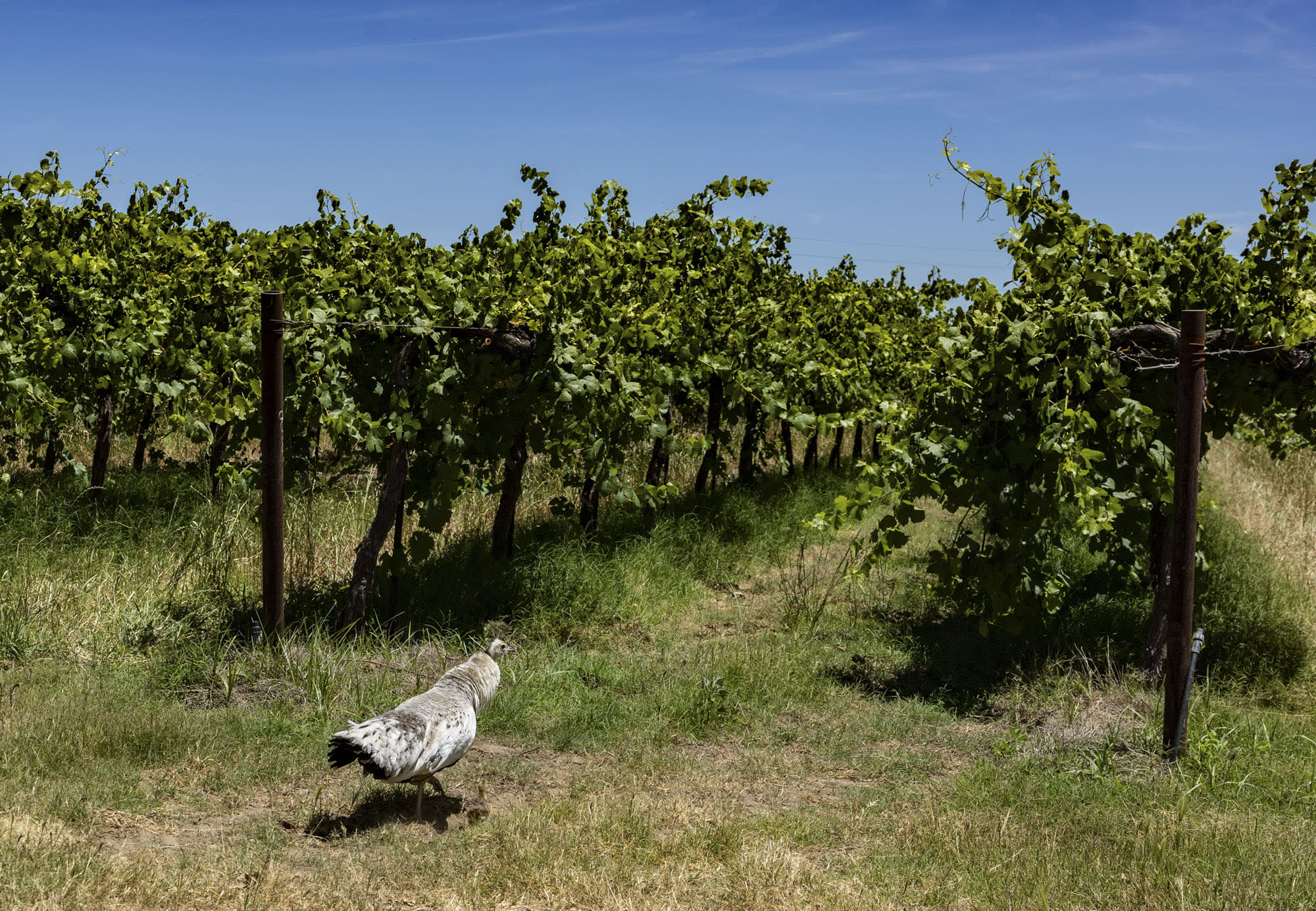
California wine grape growers are facing a severe crisis as global demand for wine declines, leaving producers unable to sell their harvests. This shift in consumption habits is forcing many generational farms to remove long-standing vineyards.
The Crisis in California Wine Country
California’s viticulture industry, a cornerstone of the state's agricultural economy, is currently navigating a period of unprecedented volatility. Recent reports from regions like Lodi highlight a stark reality: growers are unable to find buyers for their harvests as a surplus of wine grapes collides with a significant downturn in consumer demand. This disconnect between production capacity and market appetite has created a precarious situation for farmers who have traditionally relied on consistent demand for their crops.
Shifting Global Consumption Patterns
The root of this struggle lies in a broader, global shift in drinking habits. Historically, wine has maintained a steady place in the consumer market, but current trends suggest a notable decline in consumption. As the demographic landscape changes, so too do the preferences of the average consumer, who is increasingly moving away from traditional wine products. This pivot is not merely a regional phenomenon but a reflection of a wider, systemic change in how alcohol is consumed globally, leaving wine producers with an inventory that exceeds current market requirements.
Economic Pressures on Generational Growers
For many families, such as those operating out of Mohr-Fry Ranches, these vineyards represent more than just a business; they are a multi-generational legacy. However, the economic reality of an oversupplied market is forcing difficult decisions. The inability to sell grapes at profitable prices is compelling growers to take the drastic step of tearing out vineyards that have been cultivated for decades. This loss of agricultural infrastructure is a significant blow to the regional economy and the cultural heritage of California’s wine-producing districts.
The Impact of Market Imbalance
The current supply-demand imbalance represents a critical inflection point for the industry. When production outpaces the market’s capacity to absorb the volume, the resulting price depression makes it unsustainable for many small-to-mid-sized growers to continue operations. The financial strain of maintaining a vineyard—which includes labor, water, and land management costs—becomes impossible to justify when the final product lacks a viable commercial outlet.
Future Outlook and Industry Adaptation
Looking forward, the California wine industry faces a period of inevitable contraction. To survive, the sector must confront the reality that the market of the past may not return. This may necessitate a pivot toward different crop types, a consolidation of land usage, or a fundamental restructuring of how wine is marketed to younger generations. The removal of vineyards, while painful, is a symptom of an industry attempting to align its supply with a new, more cautious consumer landscape. The coming years will be defined by whether producers can successfully adapt to these changing tides or if the landscape of California’s agricultural heartland will be permanently altered.