Tesla’s Optimus robot is going through growing pains
Source Entity
Stevie Bonifield
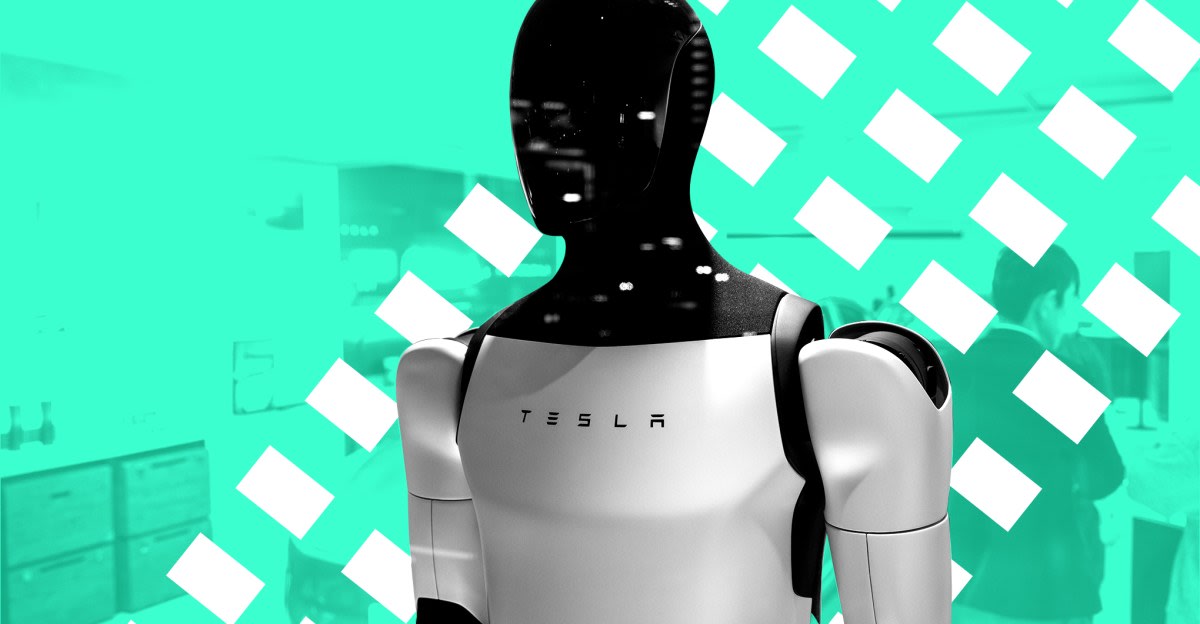
Tesla is facing significant manufacturing and labor challenges as it attempts to scale production of its Optimus humanoid robot. Current production is limited by complex manual assembly requirements and internal resistance from staff training their potential replacements.
The Challenges Scaling Tesla's Optimus Program
Tesla’s ambitious venture into humanoid robotics, spearheaded by the Optimus program, is currently confronting substantial operational hurdles. While CEO Elon Musk has positioned Optimus as potentially the most significant product in the company’s history, the transition from concept to mass production is proving to be a complex endeavor. Recent reports indicate that the company is struggling to meet its aggressive production targets, with current output sitting at only a few hundred units per week rather than the massive scale envisioned for the future.
Manufacturing Complexity and Precision Issues
The primary technical bottleneck stems from the inherent design complexity of the Optimus robot. By repurposing existing automotive production lines originally intended for the Model S and Model X, Tesla has encountered significant friction. Unlike the relatively robust components of an electric vehicle, Optimus parts are described as significantly smaller and requiring a degree of precision that current assembly processes are struggling to achieve. The mismatch between automotive-grade manufacturing and the delicate requirements of humanoid robotics has resulted in recurring manufacturing snags.
The Manual Assembly Bottleneck
A critical point of failure in the current manufacturing process is the assembly of the robot's extremities. Specifically, the hands and forearms of the V3 Optimus units are comprised of over 100 screws and small components that currently necessitate manual labor. This reliance on human workers to assemble these intricate parts creates a paradox: the robots designed to eventually automate human labor are currently dependent on intensive human intervention to be built, hindering the ability to scale production to the goal of 20,000 units per week.
Labor Relations and Workforce Friction
Beyond technical difficulties, Tesla faces a growing internal cultural challenge. Employees tasked with training the robots are reportedly pushing back, as they are essentially teaching the technology to perform tasks that could eventually lead to their own displacement. This tension adds a layer of social complexity to the manufacturing process, as the workforce is incentivized to aid in their own technological obsolescence, creating a difficult environment for management to navigate while trying to meet high-pressure production goals.
Strategic Implications and Future Outlook
Elon Musk has staked a significant portion of Tesla’s future valuation on the success of AI and robotics, characterizing the difficulty of creating an autonomous humanoid as a monumental challenge. With a stated goal of producing 1,000 robots per week by the end of 2026, the company is at a crossroads. The ability to pivot from manual, labor-intensive assembly to a more automated, scalable manufacturing process will be the ultimate test for Tesla. Whether the company can overcome these precision engineering hurdles and manage its labor workforce will dictate if Optimus remains a futuristic prototype or becomes a viable commercial product.