Calls for law change after Joanne Young rape case
Source Entity
BBC News
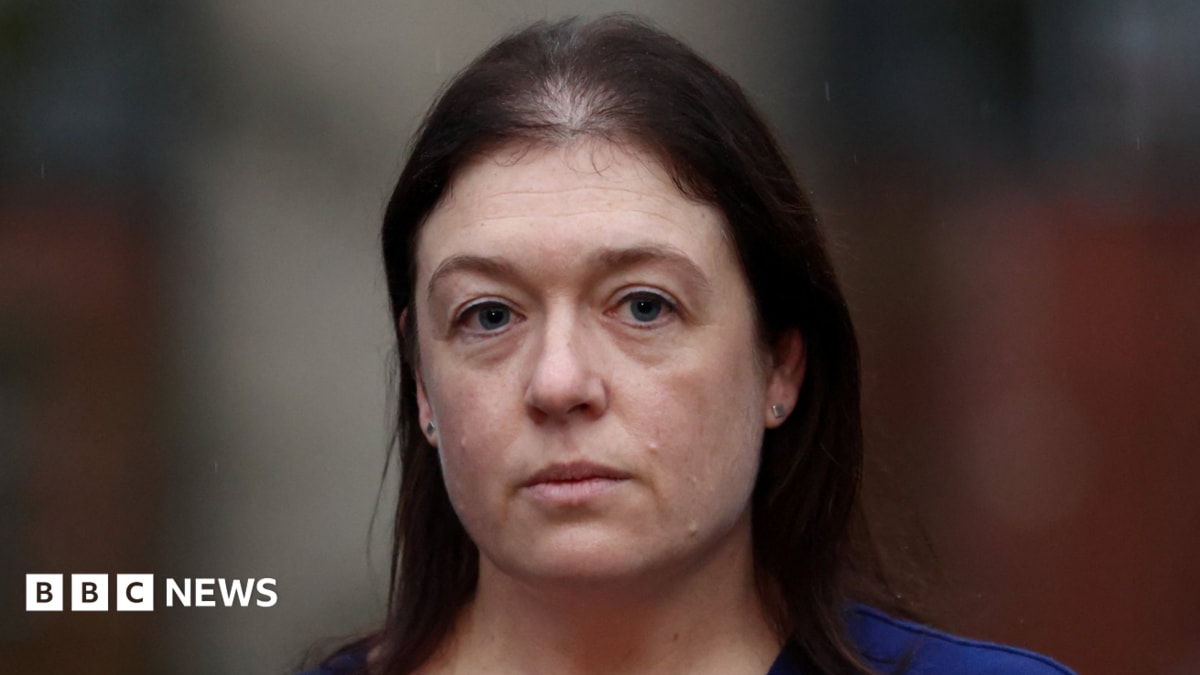
The family of Joanne Young is campaigning for legal reform after her husband was convicted of orchestrating years of sexual abuse against her. They are specifically pushing to close a legal loophole regarding 'third-party consent' in rape cases.
The Fight for Legal Reform Following the Joanne Young Case
A Devastating Case of Systemic Abuse
The recent convictions of four men for sexual offences against Joanne Young have brought to light a harrowing case of domestic abuse. For a period of 13 years, Philip Young subjected his wife to systematic drugging and sexual exploitation, utilizing online platforms to advertise her for sex to strangers without her knowledge or consent. The severity of these actions, which occurred within the sanctity of their home in Swindon, has shocked the public and highlighted significant vulnerabilities in the current legal framework regarding consent.
The Controversy of 'Third-Party Consent'
At the heart of the ongoing public outcry is the controversial defense of 'third-party consent' in rape trials. This legal argument, which the Young family and their supporters are working to abolish, suggests that a third party—in this case, a husband—can provide valid consent for sexual acts performed on another person. The trial of the four men has underscored how such interpretations can be weaponized to dehumanize victims, effectively stripping them of their agency and providing perpetrators with a potential shield against justice.
A Call for Legislative Modernization
Alex Young, the daughter of the victim, has emerged as a prominent voice for change, arguing that the current laws are dangerously antiquated. Noting that it has been 23 years since the relevant statutes were last substantively updated, she points to the disconnect between evolving societal standards and a static legal system. Her advocacy emphasizes that as digital platforms and criminal methodologies evolve, the law must be agile enough to protect the vulnerable from sophisticated forms of abuse that were previously unimaginable.
Societal Progress vs. Legal Stagnation
The advocacy efforts led by the Young family highlight a broader struggle: the need for the judiciary to catch up with modern understandings of autonomy. By challenging the validity of third-party consent, activists are pushing for a legal standard that prioritizes the victim’s direct, informed, and continuous consent above all else. This movement seeks to ensure that no individual can ever again use the influence or coercion of a spouse to bypass the fundamental rights of another person.
Future Implications for Criminal Law
If the government heeds these calls for reform, it could mark a significant shift in how sexual assault cases are prosecuted in the United Kingdom. Closing the loophole on third-party consent would provide prosecutors with stronger tools to secure convictions in cases where technology is used to facilitate abuse. Ultimately, the legacy of the Joanne Young case may be a more robust legal system that recognizes the complexity of modern abuse and refuses to allow archaic interpretations to hinder the pursuit of justice.