'Support free and open trade': Xi and Putin's tough stance against trade curbs ahead of Trump meet
Source Entity
Latest News: Todays Latest News Headlines from India & World | Hindustan Times
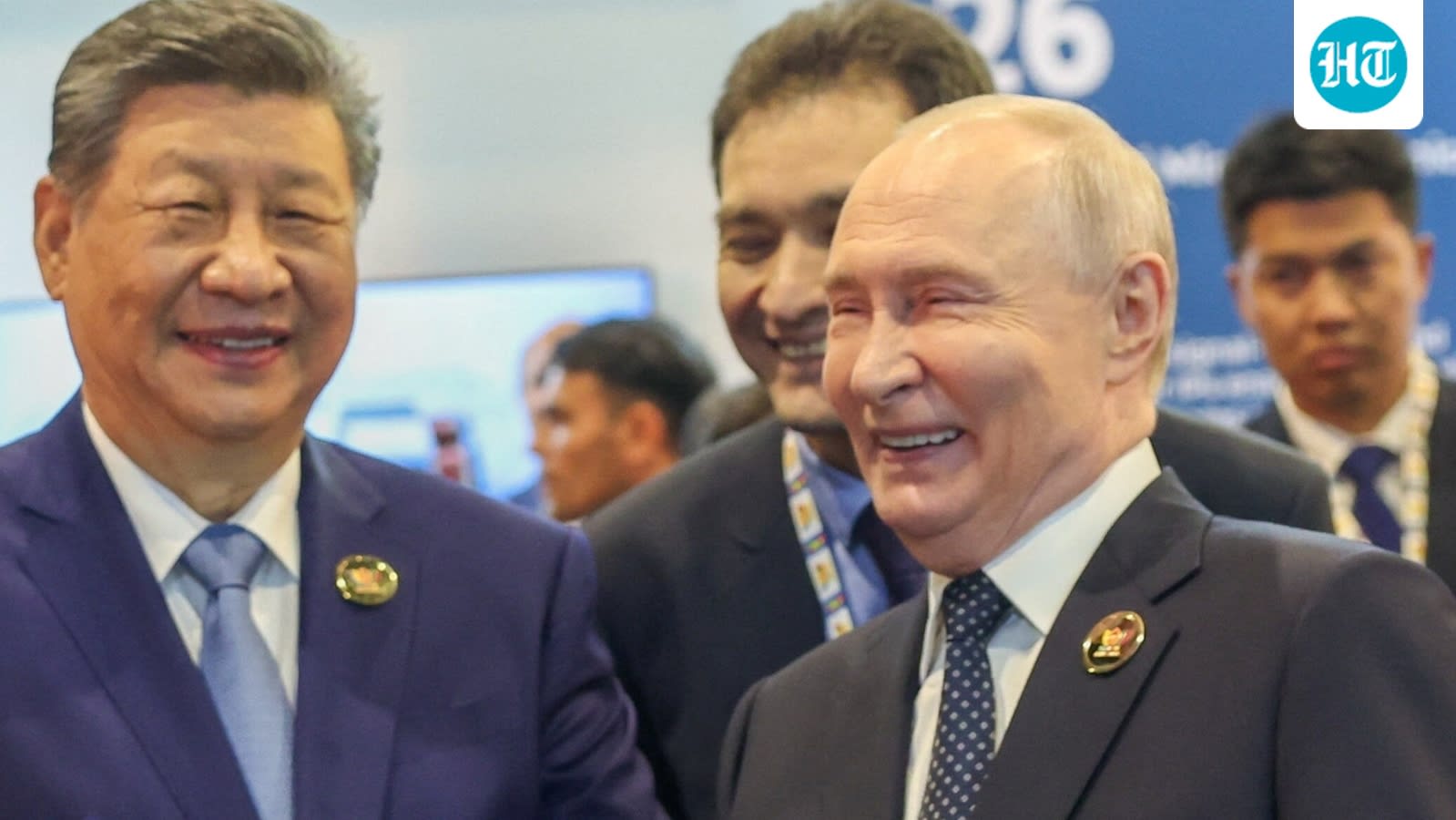
US President Donald Trump, Xi Jinping, and Vladimir Putin are meeting in Shenzhen during the APEC summit to discuss nuclear arms control and ongoing regional conflicts. The trilateral dialogue aims to address global instability, including the Russia-Ukraine and Iran wars, amidst complex trade and tech rivalries.
A New Global Architecture: The Shenzhen Trilateral Summit
The gathering of U.S. President Donald Trump, Chinese President Xi Jinping, and Russian President Vladimir Putin in Shenzhen represents a pivotal moment in contemporary geopolitics. As these three leaders converge on the sidelines of the APEC Economic Leaders Summit, the international community is closely watching to see if this meeting serves as a modern-day 'Yalta'—a forum where the world's primary powers attempt to redraw or solidify the rules governing global order. The mere presence of these three heads of state in one room signals an urgent recognition that the current state of global security is unsustainable.
The Nuclear Proliferation Challenge
At the forefront of the agenda is the daunting task of nuclear arms control. President Trump has explicitly identified the initiation of three-way talks on nuclear weapons as a top priority for this trip. Historically, nuclear stability relied on bilateral frameworks between Washington and Moscow. However, the emergence of China as a major nuclear and military power necessitates a trilateral approach. Bringing Beijing into the fold is a complex maneuver, as China has long resisted constraints that would limit its strategic growth, yet the necessity of preventing a new arms race remains a primary driver for these negotiations.
Navigating Regional Conflicts: Ukraine and Iran
Beyond strategic weaponry, the leaders are tasked with addressing two of the most destabilizing conflicts currently active: the war in Ukraine and the nine-month-old Iran war. These conflicts have exerted significant pressure on global energy markets and international security architectures. The involvement of these three specific leaders is critical, as each holds significant leverage over the belligerents involved. Whether these leaders can find common ground to facilitate de-escalation will determine if the summit results in tangible diplomatic breakthroughs or merely symbolic discourse.
Trade, Technology, and Economic Friction
The geopolitical landscape is further complicated by intense economic and technological rivalries. The U.S.-China relationship remains fragile, particularly given Washington’s ongoing scrutiny of Nvidia’s chip sales to China and broader competition in the AI sector. These trade and tech disputes are not merely peripheral; they are deeply intertwined with national security concerns. The Shenzhen meeting must balance these competitive pressures against the need for cooperation, especially as global supply chains remain vulnerable to the fallout from regional wars and shifting alliances.
Historical Parallels and Future Implications
Drawing comparisons to the Yalta Conference, which defined the post-WWII order, this summit highlights the shift from a unipolar to a multipolar world. The tensions between China and Japan, alongside the broader APEC context, underscore that the Pacific region is the current epicenter of global power competition. The success of this meeting will be measured by the ability of these leaders to pivot from personal diplomacy to structural strategic agreements that can stabilize the global economy and mitigate the risk of wider military escalation.
Conclusion
As the Shenzhen summit concludes, the world awaits the results of these high-stakes deliberations. The combination of nuclear disarmament, conflict resolution, and technological governance creates a trifecta of challenges that no single nation can solve alone. If President Trump, President Xi, and President Putin can establish a framework for dialogue, it may signify a necessary pause in the slide toward global fragmentation. However, given the deep-seated strategic interests and historical grievances at play, the path to a lasting, peaceful order remains fraught with uncertainty.
Multiple Citing Sources
Verification Required?