Season’s first ground frost recorded in Nilgiris
Source Entity
India Latest News: Top National Headlines Today & Breaking News | The Hindu
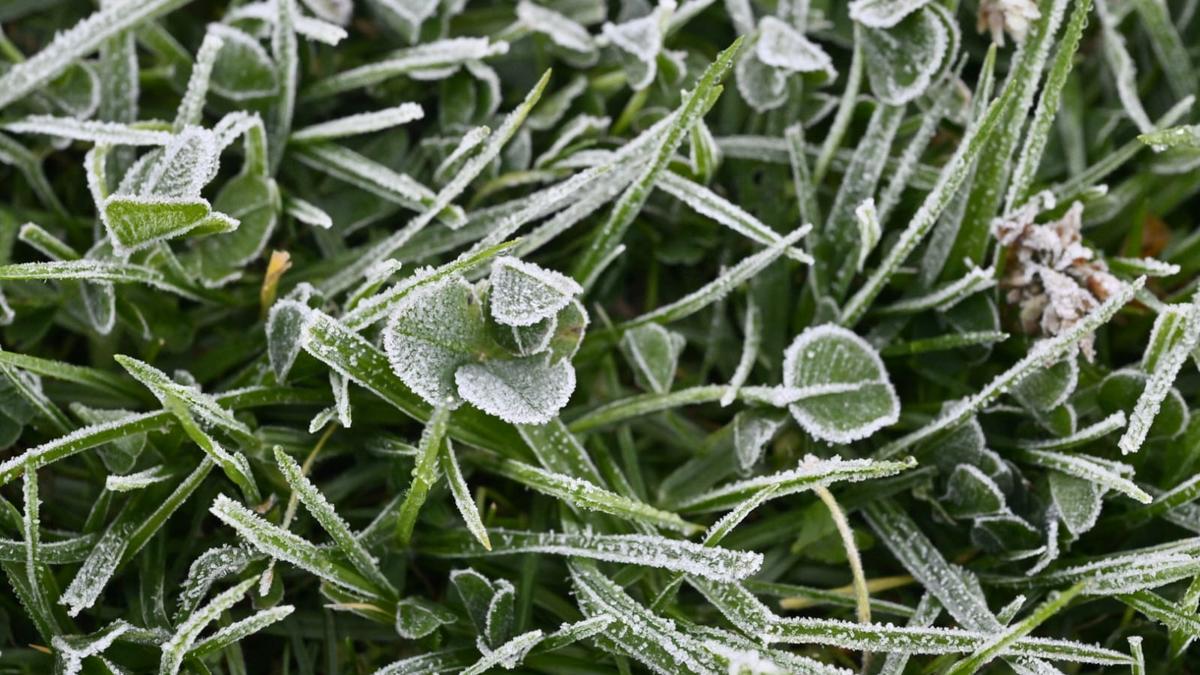
The Nilgiris district has recorded its first seasonal ground frost with temperatures dropping to 5°C-6°C. This event marks a return to typical climatic patterns following significant delays observed in the previous year.
The Arrival of Winter: Ground Frost Returns to the Nilgiris
The Nilgiris district has officially entered its winter cycle, with the first seasonal ground frost reported during the intervening night of November 17 and November 18, 2026. Official reports confirm that temperatures plummeted to between 5°C and 6°C across the higher elevations of the region, signaling a definitive shift in the local climate as the year draws to a close.
Geographical Impact and Affected Areas
The frost was not confined to a single location but was observed across several key areas, including the low-lying parts of Ooty town surrounding the iconic Ooty lake. Additionally, popular high-altitude spots such as Thalakundha and Khandal experienced the phenomenon. These areas are known for their susceptibility to sharp temperature drops, which transform the landscape into a winter wonderland, drawing significant attention from residents and climate monitors alike.
Comparative Analysis of Seasonal Patterns
This year’s frost onset represents a notable return to established norms. In contrast, the 2025 season was marked by an extreme delay in the arrival of frost. While the current timing aligns more closely with historical expectations—where frost typically sets in during late November or early December—the memory of last year’s deviation highlights the volatility of regional weather patterns.
The Socio-Economic Significance of Climate Shifts
In the Nilgiris, ground frost is more than a meteorological event; it is a driver of local activity. During the 2025 season, the delayed frost actually resulted in colder weather during the early months of the year, which solidified areas like Thalakundha as major tourist hotspots. The blanket of frost acts as a seasonal aesthetic draw, attracting visitors who travel to witness the rare spectacle of frosted vegetation in a tropical highland climate.
Broader Environmental Implications
The consistency of these temperature drops is vital for the local ecosystem, which has adapted to the cyclical arrival of frost. As temperatures hover in the 5°C to 6°C range, the physiological impact on local flora and the agricultural sector in the Nilgiris becomes a primary focus for officials. Monitoring these low-lying areas is essential, as the frost can affect both public infrastructure and the delicate biodiversity of the Nilgiri hills.
Looking Ahead: Future Weather Trends
As the district moves further into the winter season, the recurrence of these frost events will likely dictate the flow of tourism and the pace of local life. While the 2026 season has begun with a standard, albeit sharp, drop in temperature, observers will continue to track whether these conditions remain consistent or if the region will face further fluctuations similar to the anomalies experienced in the previous year.
Verification Required?