Campbell's stock plunges as food maker slashes dividend after sales, profit declines
Source Entity
Yahoo Finance
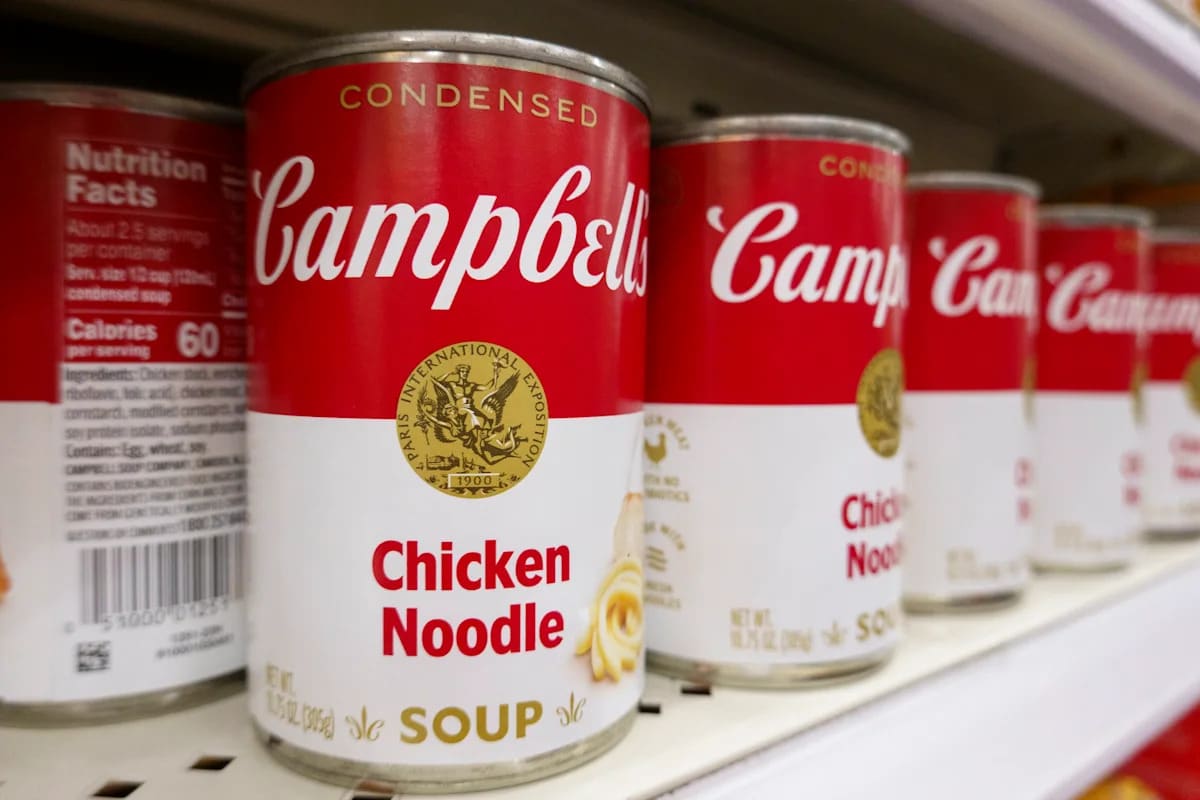
Campbell's stock fell 6% following a quarterly report showing declines in sales and profit. To address debt and improve its balance sheet, the company has cut its quarterly dividend by 36%.
Campbell’s Financial Outlook: Navigating Market Headwinds
The Campbell Soup Company (CPB) experienced a significant market reaction on Thursday morning, with shares plummeting 6% following the release of a disappointing fiscal fourth-quarter earnings report. This downturn reflects broader challenges currently facing the packaged food industry, as consumer spending patterns shift and operational costs remain elevated.
Analyzing the Financial Decline
At the core of the sell-off are the company's fiscal fourth-quarter results, which revealed an 8% decline in net sales to $2.1 billion. Beyond the top-line contraction, Campbell’s reported significant erosion in both earnings and gross profit margins. This confluence of poor performance metrics signals a challenging fiscal environment where the manufacturer of iconic brands like Goldfish is struggling to maintain its market position against the dual pressures of softening demand and rising input costs.
The Impact of Inflation and Margin Pressure
CEO Mick Beekhuizen explicitly identified "top-line softness" and "inflation-driven margin headwinds" as the primary catalysts for the company’s current state. These factors represent a systemic issue for legacy food manufacturers: as inflation drives up the cost of raw materials, labor, and logistics, companies face a difficult choice between raising prices—which risks alienating cost-conscious consumers—or absorbing the costs, which directly degrades shareholder value through lower profitability.
Strategic Dividend Reset
In a move to stabilize the company's financial foundation, the board of directors approved a 36% reduction in the quarterly dividend, bringing the payout to $0.25 per share. While dividend cuts are often viewed negatively by income-focused investors, management has framed this as a tactical necessity. By reallocating capital away from dividends, Campbell’s aims to accelerate debt reduction and shore up its balance sheet, providing the firm with greater liquidity to navigate the volatile economic landscape of fiscal 2026.
Future Trends and Corporate Stability
Looking forward, Campbell’s strategy appears focused on long-term deleveraging rather than short-term shareholder payouts. The decision to prioritize balance sheet strength suggests that leadership anticipates continued economic turbulence. Whether this retrenchment will be sufficient to restore investor confidence will depend on the company's ability to revitalize its sales volume in the coming quarters and successfully mitigate the persistent impact of inflationary pressures on its production margins.