Canada will be ‘stronger, more resilient, more independent’ after US trade war: Carney
Source Entity
YASHASVI VASISTHA
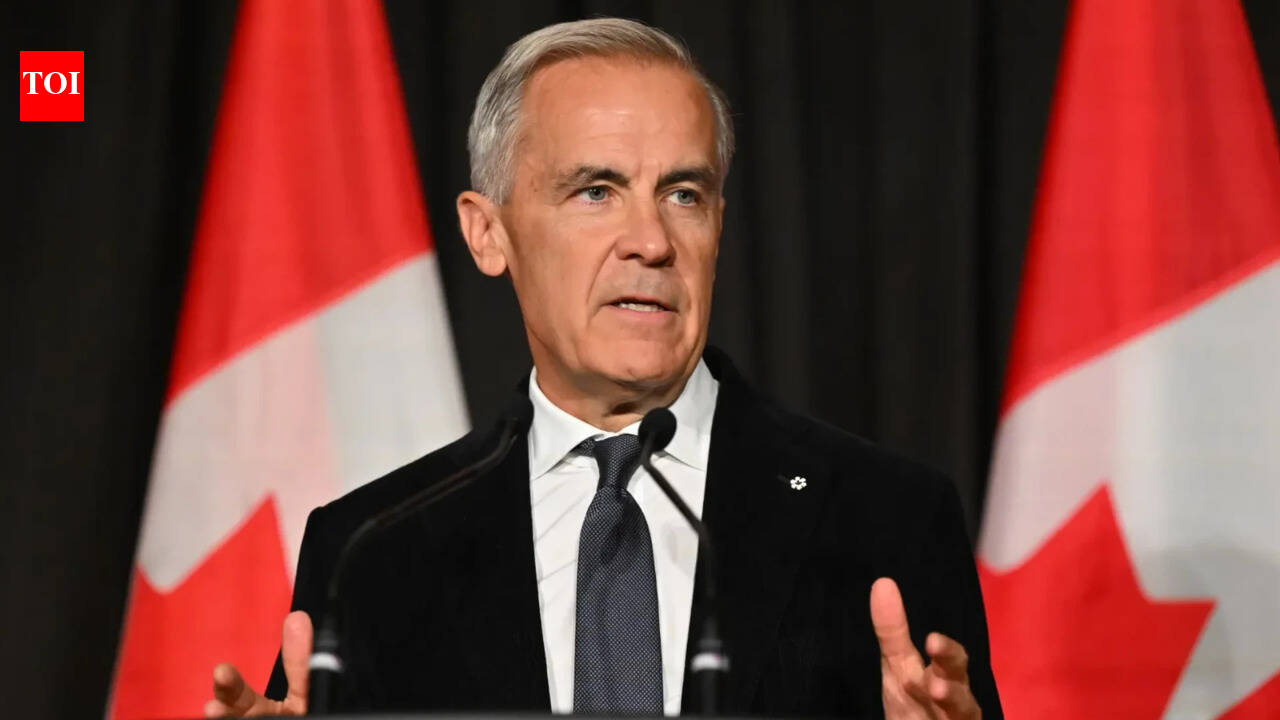
Canadian Prime Minister Mark Carney is spearheading a strategic pivot to reduce economic reliance on the US by targeting $1 trillion in new investments. The strategy includes bolstering defense spending and deepening alliances with Europe to navigate a fractured global trade environment.
Canada’s Strategic Pivot: Navigating a New Economic Order
Canadian Prime Minister Mark Carney has articulated a decisive shift in national policy, aiming to transform Canada into a more resilient, independent, and secure economy. Speaking at the inaugural Canada Investment Summit in Toronto, Carney highlighted that the long-standing, stable relationship with the United States has faced significant fractures over the last 18 months. In response, Canada is actively seeking to mitigate the risks of economic weaponization and tariff-based leverage by diversifying its international partnerships.
Targeting a Trillion-Dollar Economic Transformation
At the heart of this strategy is an ambitious goal to catalyze C$1 trillion in private investment over the next five years. By offering new, targeted tax incentives, the government aims to attract global capital into critical sectors including energy, transportation, data infrastructure, defense, and critical minerals. This move is designed not only to stimulate domestic growth but to create a robust industrial base that can withstand the volatility of international trade disputes.
Deepening Ties with the European Union
Recognizing that the global economic environment is becoming increasingly divided, Canada is aggressively pursuing a unique security and economic alliance with the European Union. Carney has positioned Canada as a 'safe harbour' for foreign investors looking for stability in a world where sovereignty and openness are in tension. By integrating more closely with European markets, Ottawa intends to reduce its singular dependence on the United States, effectively hedging against the potential for future trade-related disruptions.
Defense and Sovereignty in an Unstable Climate
Security is a cornerstone of this new national strategy. In tandem with its economic goals, Canada has committed to a substantial increase in defense financing by 2030. This investment reflects a sobering assessment of the current geopolitical landscape, where trade tensions have occasionally been marked by high-level diplomatic friction. Carney’s rhetoric emphasizes that while Canada remains a neighbor to the United States, the partnership must be predicated on mutual respect for sovereignty.
Future Outlook: Balancing Independence and Cooperation
Despite the clear move toward diversification, the Canadian government maintains that it remains open to future, mutually beneficial agreements with Washington. The strategy is not one of isolationism, but rather one of strategic autonomy. By building a broader network of security and economic partners, Canada aims to position itself as a key player in the 'new global economic order.'
Conclusion
Ultimately, Prime Minister Carney’s vision for Canada is one of calculated resilience. By combining aggressive investment targets with a pivot toward European alliances and a strengthened defense posture, Canada is attempting to rewrite its role on the global stage. As the nation navigates these challenges, its ability to successfully balance its historical ties to the U.S. with its new, independent economic goals will be the defining test of this administration.