Iran war has led to US munitions shortfalls, Pentagon inspector confirms
Source Entity
BBC News
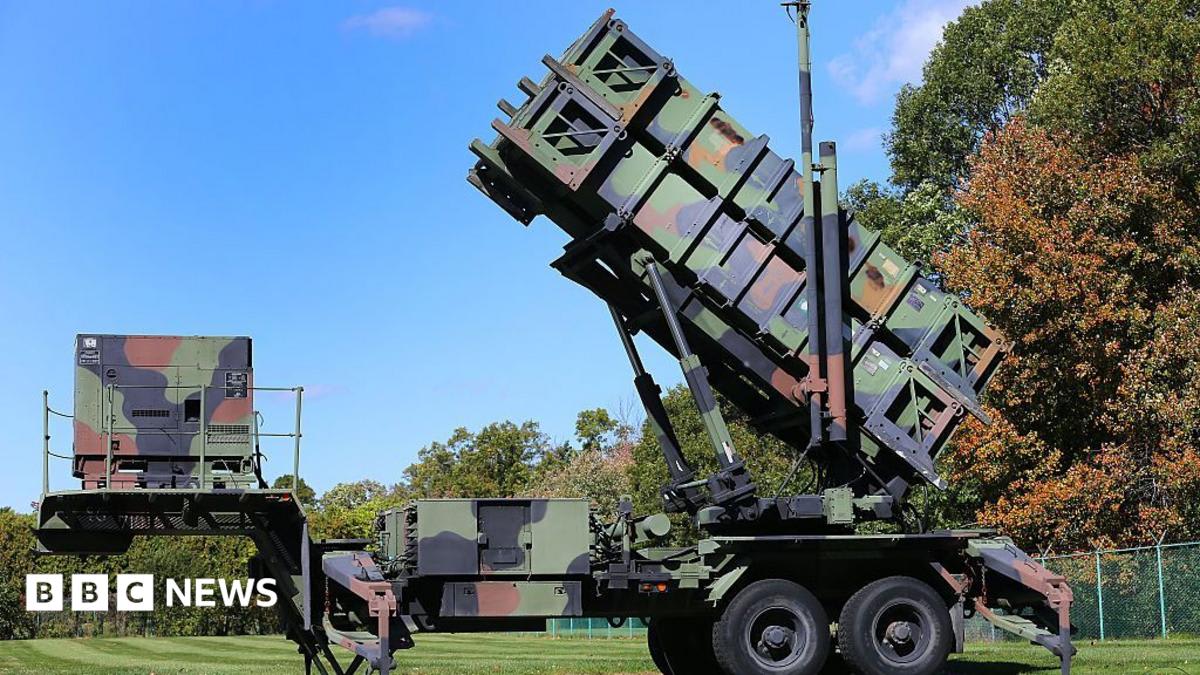
A Pentagon inspector general report confirms that Operation Epic Fury in Iran has cost $33.4 billion, causing severe munitions shortages and equipment losses. The findings highlight critical bottlenecks in the U.S. defense industrial base, prompting urgent efforts to replenish national stockpiles.
The Strategic Cost of Operation Epic Fury
A recent report from the U.S. Department of Defence’s inspector general has brought to light the significant fiscal and material toll of the ongoing conflict in Iran, officially designated as Operation Epic Fury (OEF). Covering the period from February 28 through June 30, 2026, the findings indicate that the military engagement has rapidly depleted U.S. munitions reserves, creating what officials describe as "strategic inventory shortfalls."
Fiscal Impact and Resource Allocation
According to the mandatory report submitted to Congress, the financial burden of OEF reached an estimated $33.4 billion by late June. This staggering figure is broken down into three primary categories: $7.4 billion in cumulative incremental obligations, $3.7 billion in equipment losses, and a massive $22.3 billion attributed solely to expended munitions. This data underscores the high-intensity nature of the conflict and the unsustainable rate at which precision weaponry is being consumed.
Industrial Base Bottlenecks
Beyond the immediate financial costs, the inspector general highlighted systemic vulnerabilities within the American defense industrial base. The rapid expenditure of munitions has outpaced the current capacity for resupply, revealing critical bottlenecks that hinder the military's ability to maintain readiness. These production delays are now a primary concern for the Pentagon as it attempts to recalibrate its manufacturing efforts to meet the demands of a prolonged theater of war.
Material Losses and Fleet Degradation
The physical toll on U.S. military hardware has been substantial. The report confirms the destruction of four F-15 aircraft and up to 30 MQ-9 Reaper drones. Additionally, the fleet has suffered further degradation, with one F-35 fighter jet and seven KC-135 tanker aircraft sustaining significant damage. These losses not only impact current operational capabilities but also exacerbate the strain on the logistics and support chains necessary to sustain operations in the Middle East.
Broader Strategic Implications
The revelation of these shortages raises urgent questions regarding long-term military preparedness. As the Pentagon works to hasten manufacturing and reinforce supply chains, the conflict in Iran serves as a stress test for the U.S. military’s logistical infrastructure. The need to balance immediate battlefield requirements with the necessity of maintaining a strategic reserve remains a central challenge for defense planners.
Future Trends and Outlook
Moving forward, the U.S. government is expected to prioritize the expansion of defense manufacturing capacity to address the identified bottlenecks. With the inspector general’s report explicitly linking the current inventory crisis to the intensity of Operation Epic Fury, future policy will likely focus on streamlining procurement processes and increasing the production of high-demand munitions to ensure that the U.S. can sustain its strategic objectives without compromising its broader national security posture.