Lalbaugcha Raja: How a broken market and a vow created Mumbai’s iconic Ganpati
Source Entity
TOI LIFESTYLE DESK
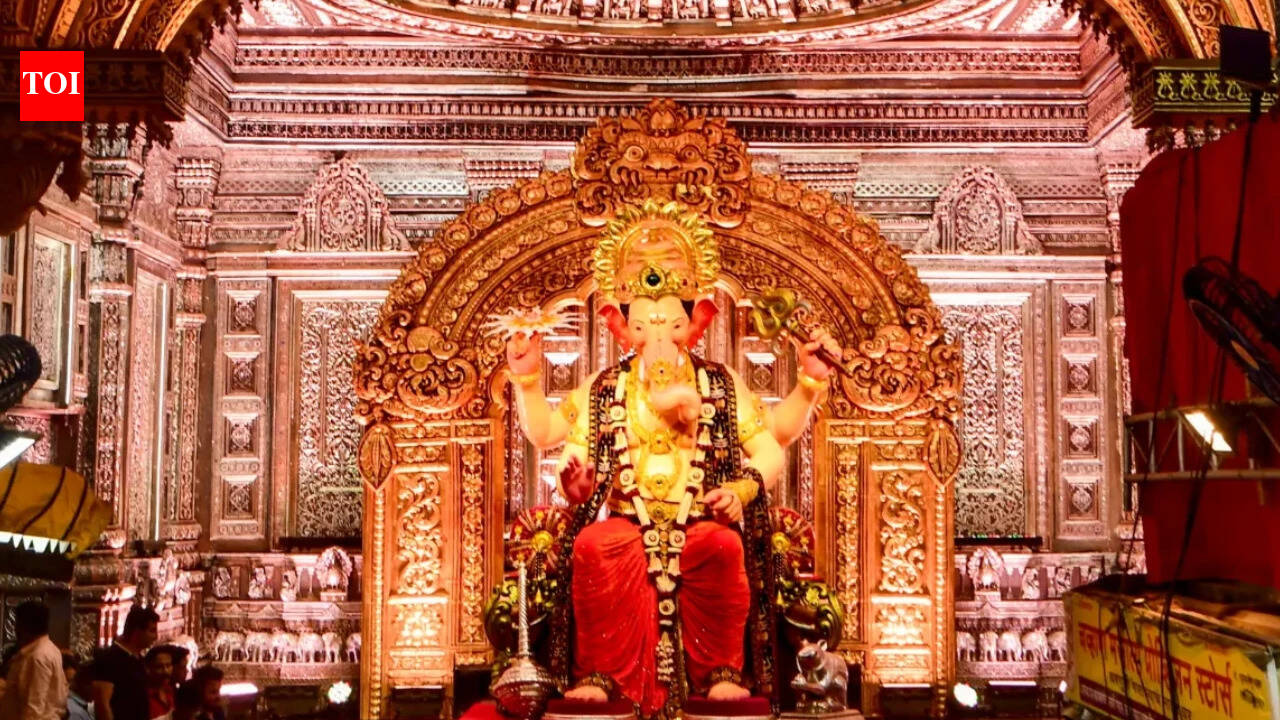
The Lalbaugcha Raja, a legendary Mumbai Ganesha idol, originated in 1934 following the closure of a local market. Now in its 93rd year, the tradition remains a symbol of collective faith and cultural resilience.
The Origins of a Cultural Icon
The story of Lalbaugcha Raja is inextricably linked to the socio-economic landscape of 1930s Mumbai. In 1934, the local market in Lalbaug faced a devastating collapse, leaving many vendors and residents without livelihoods. Amidst this period of profound uncertainty, the community made a collective vow to establish a public Ganesha idol, seeking divine intervention to restore their economic stability. This act of faith transformed a local crisis into a enduring cultural institution that has defined the spirit of Ganesh Chaturthi in Mumbai for nearly a century.
A Legacy of Artistic Devotion
Central to the visual identity of the Lalbaugcha Raja is the Kambli family, who have been responsible for sculpting the idol for three consecutive generations. Their meticulous craftsmanship has ensured a consistent and recognizable visage that resonates with millions of devotees. This generational commitment highlights the intersection of traditional artistry and religious devotion, as the family’s work has become a cornerstone of the festival's aesthetic and spiritual appeal.
The Power of Collective Faith
Over the past 92 years, the reputation of Lalbaugcha Raja has grown from a neighborhood effort into a global phenomenon. Known as a 'navas' (wish-fulfilling) deity, the idol attracts millions who wait in long queues for a brief moment of 'darshan.' This phenomenon speaks to the deep-seated cultural belief in the deity's ability to grant aspirations, turning the festival into a massive exercise in collective hope and social cohesion.
Navigating Tradition and Belief
While the narrative of the Lalbaugcha Raja is rooted in historical accounts, it is important to distinguish between documented records and traditional beliefs. The 'navas' tradition, while central to the community's experience, remains a matter of spiritual conviction rather than empirical fact. This duality between historical origin and faith-based practice is what allows the tradition to remain vibrant and relevant across generations.
Looking Toward the Future
As the Lalbaugcha Raja enters its 93rd year, the festival continues to evolve while maintaining its core purpose. The sheer scale of the event requires complex logistics and management, yet the underlying motivation remains the same as it was in 1934—to provide a focal point for community aspiration. The endurance of this tradition suggests that as long as there is a need for collective hope in the face of economic or social change, icons like the Raja will continue to hold a central place in the public consciousness.