Canada drops report calling India ‘2nd most pervasive’ FI perpetrator
Source Entity
Latest News: Todays Latest News Headlines from India & World | Hindustan Times | Hindustan Times
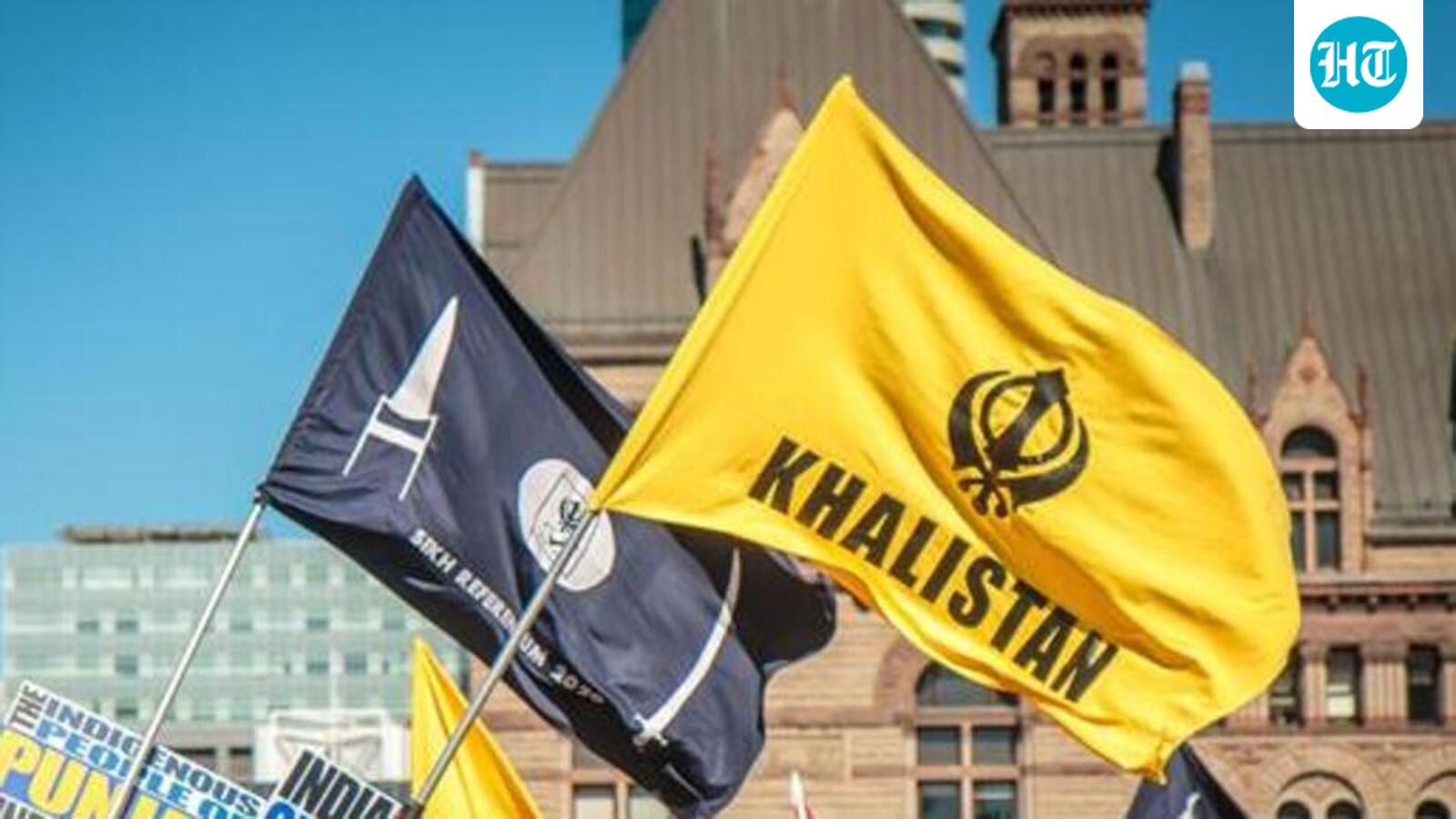
Canada has retracted a controversial intelligence report labeling India as a primary foreign interference threat after it was misused by separatist groups. Simultaneously, both nations are strengthening security ties, focusing on transnational crime and counter-terrorism.
Shifting Dynamics in Canada-India Relations
Recent developments in the Canada-India diplomatic landscape signal a significant pivot toward stability and security cooperation. The Canadian government has officially removed a Canadian Security Intelligence Service (CSIS) report that had previously categorized India as the "second most pervasive" perpetrator of foreign interference. This move comes as a strategic effort to reset bilateral relations that had previously suffered from a period of intense antagonism under the previous administration.
The Impact of Misinformation and Propaganda
The decision to pull the document follows the discovery that the CSIS report was being weaponized by pro-Khalistan separatist groups, most notably Sikhs for Justice (SFJ). By framing the intelligence assessment as an "updated" document, these groups sought to advance their political agenda through state-sanctioned narratives. The Canadian government’s removal of the report serves as a corrective measure to prevent the exploitation of intelligence findings for propaganda purposes that could undermine international diplomacy.
A New Era of Diplomatic Engagement
The current thaw in relations is occurring under the leadership of Prime Minister Mark Carney. This transition marks a departure from the confrontational stance of the past, suggesting a prioritization of pragmatic interests over ideological friction. By acknowledging the sensitive nature of intelligence assessments and their potential for misuse, Ottawa is demonstrating a commitment to fostering a more constructive dialogue with New Delhi.
Enhancing Security and Counter-Terrorism Cooperation
Complementing the removal of the contentious report, India and Canada have taken concrete steps to deepen their security partnership. During a recent visit to India, Canadian National Security Adviser David Morrison met with his Indian counterpart, Ajit Doval. This dialogue has emerged as a crucial mechanism for both nations to address shared anxieties regarding transnational organized crime, drug trafficking, and the critical issue of criminal extradition.
Strategic Implications for Future Trends
The meeting between Doval and Morrison underscores a mutual recognition that security cooperation is the bedrock of a stable bilateral relationship. By focusing on tangible outcomes—such as the extradition of offenders and joint efforts against terrorism—both countries are moving toward a framework of mutual trust. This cooperation is expected to act as a stabilizer, insulating the broader diplomatic relationship from the volatility of peripheral political disputes.
Conclusion: A Path Toward Normalization
Ultimately, the retraction of the CSIS report and the intensified security dialogues represent a deliberate attempt to normalize relations between Ottawa and New Delhi. By distancing themselves from inflammatory intelligence narratives and focusing on shared security mandates, both nations are positioning themselves to manage future challenges with a higher degree of coordination and strategic alignment.
Verification Required?