Navratri 2026 puja vidhi: Ghatasthapana muhurat, dos and don’ts you should know
Source Entity
Latest News: Todays Latest News Headlines from India & World | Hindustan Times | Hindustan Times
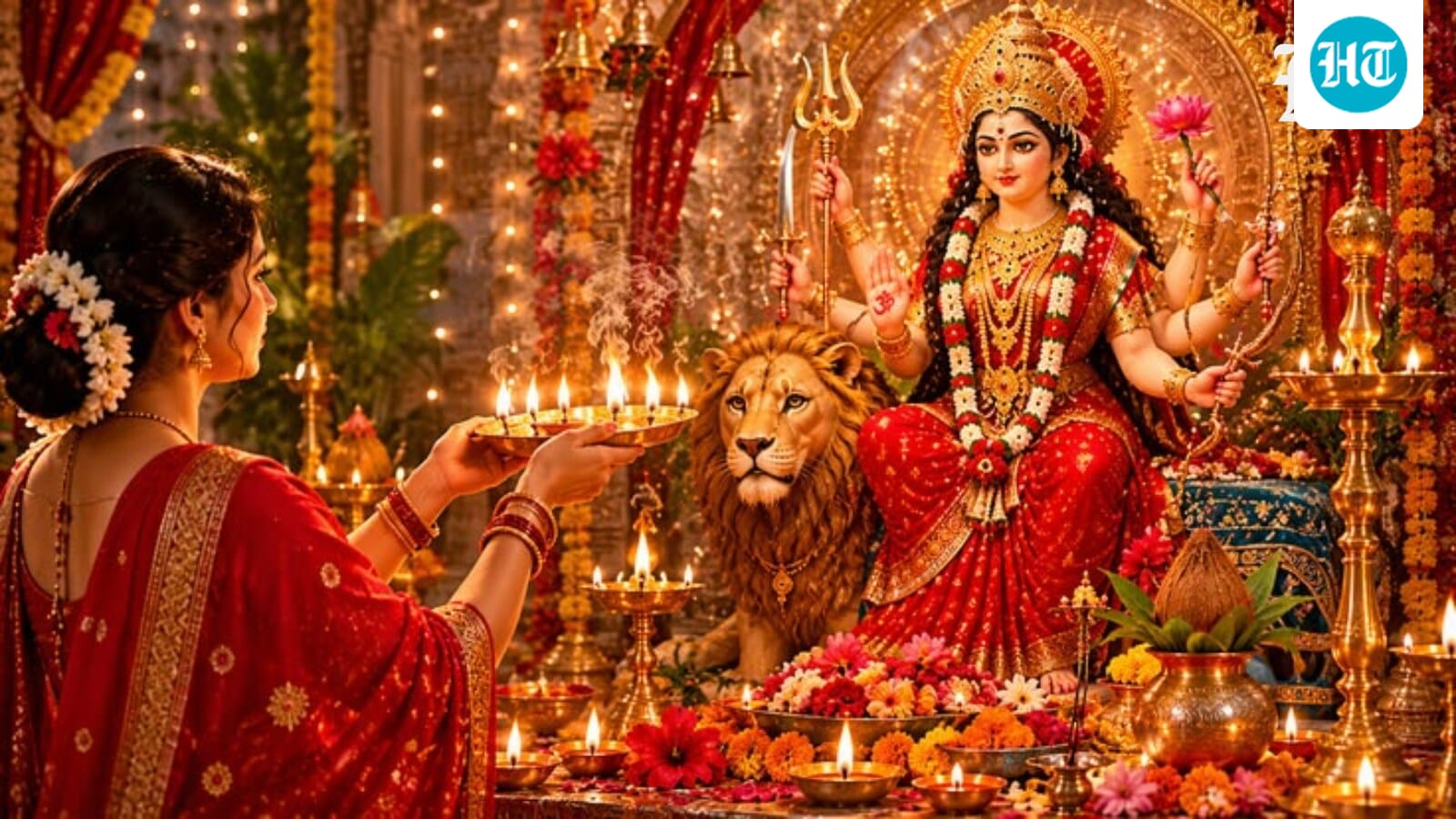
Sharad Navratri 2026 is scheduled from October 11 to October 19, culminating in Vijayadashami on October 20. Spiritual leaders emphasize a blend of traditional ritualistic observance and internal transformation throughout this nine-day period.
The Significance of Sharad Navratri 2026
Sharad Navratri, a profound period of spiritual renewal and cultural observance, is set to commence on October 11, 2026. This nine-day festival, which honors the diverse forms of Maa Durga, will conclude with Maha Navami on October 19. The festival serves as a cornerstone of traditional practice, encouraging devotees to align their daily routines with faith, discipline, and a focus on inner positivity. Following the culmination of these nine nights, the festival transitions into Vijayadashami on October 20, a day traditionally celebrated as a victory of good over evil.
Rituals and Preparations
According to guidance from experts like Gurudev Vikrant Jain, founder of the Indian Institute of Vedic Science, the essence of Navratri lies in the sincerity of the practitioner. The observance begins with the purification of both the self and the physical puja space, followed by the sacred Ghatasthapana ceremony performed at the designated auspicious muhurat. These rituals, which include the offering of bhog, flowers, and fruits, alongside the lighting of a diya and the chanting of mantras, are intended to foster a state of peaceful mindfulness and clean-hearted devotion.
The Three Dimensions of the Divine
Sadhguru, the founder of the Isha Foundation, provides a deeper philosophical framework for the festival by categorizing the nine nights into three distinct phases. These phases correspond to the three dimensions of the Goddess: Durga, representing power; Lakshmi, representing wealth; and Saraswati, representing knowledge. Each three-night block is intricately linked to the yogic qualities of tamas, rajas, and sattva, providing a structured approach for devotees to engage with different aspects of their own consciousness.
Spiritual Evolution and Vijayadashami
Beyond the external rituals, the transition from the ninth day to the tenth day, Vijayadashami, carries significant spiritual weight. While the nine nights represent a journey through the dimensions of power, wealth, and knowledge, Sadhguru suggests that the tenth day symbolizes the state of moving beyond these material and intellectual constructs. Vijayadashami is thus framed as a spiritual victory, marking the transcendence of the seeker after the completion of the nine-day internal journey.
Cultural and Future Implications
As we look toward Navratri 2026, the convergence of traditional puja vidhi and modern spiritual interpretation highlights the enduring relevance of these ancient practices. The festival serves not only as a religious obligation but as a societal anchor that promotes rhythm and discipline in an increasingly fast-paced world. By emphasizing the balance of traditional ritual and internal introspection, the 2026 Navratri season offers participants a comprehensive roadmap for personal growth and spiritual alignment.
Verification Required?