Best of Both Sides: Saying no will have a price
Source Entity
T V Paul
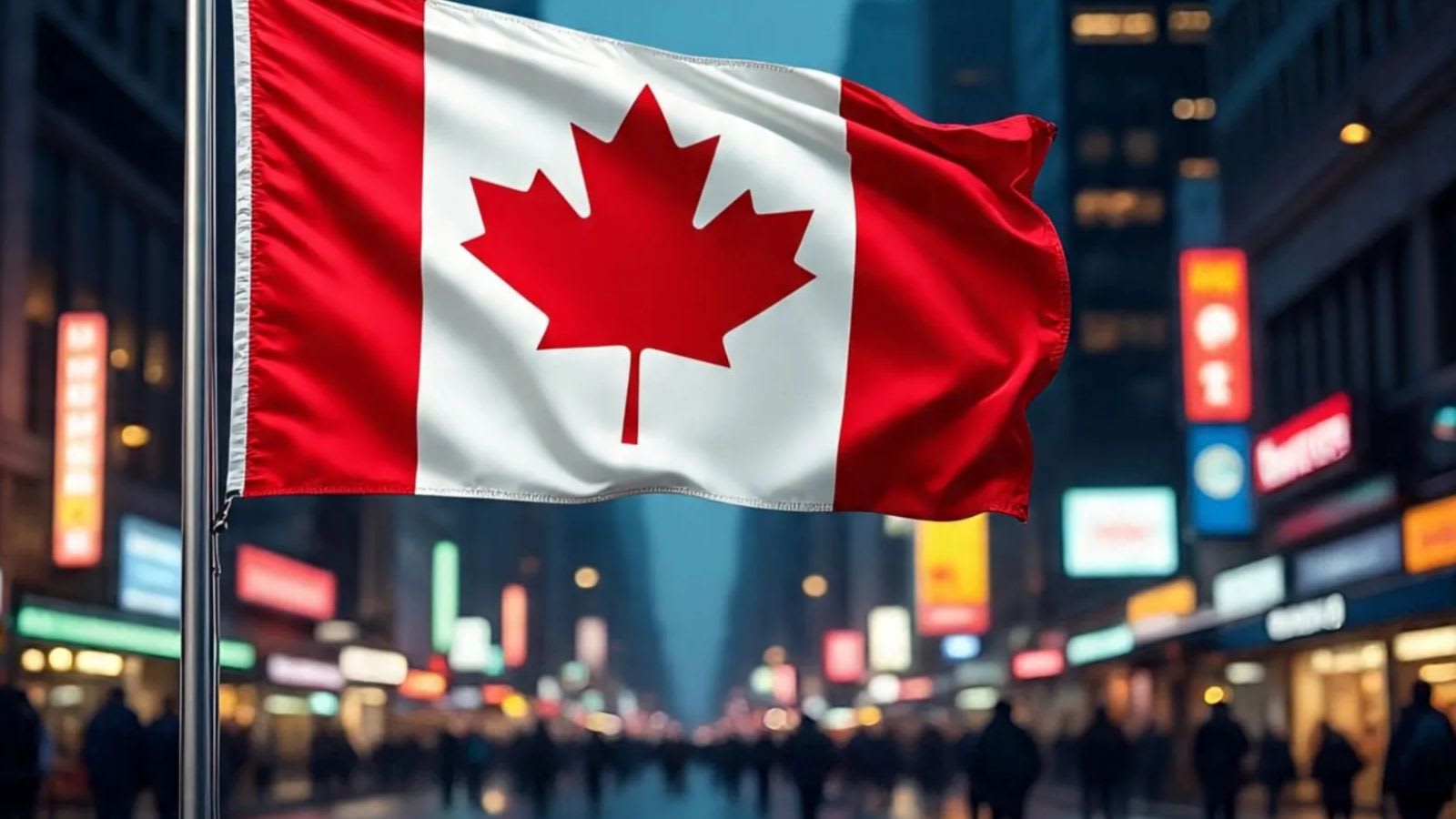
Canadian Prime Minister Mark Carney has rejected a lopsided trade deal with the US to protect national sovereignty and key industries. This decision risks significant economic friction, including retaliatory tariffs, as Canada asserts its independence against American pressure.
The Cost of Sovereignty: Canada’s Diplomatic Stand
In a defining moment for North American diplomacy, Canadian Prime Minister Mark Carney has taken the bold step of walking away from trade negotiations with the United States. By declaring that the American demands were excessive and the concessions offered were insufficient, Carney has prioritized national sovereignty over the immediate convenience of a lopsided trade agreement. This act of defiance marks a significant pivot in Canada’s foreign policy, signaling that the nation is no longer willing to accept terms that threaten its cultural identity, industrial autonomy, or freedom to engage in global commerce.
The Economic Asymmetry of North American Trade
The fundamental challenge underlying these negotiations is the vast disparity in trade reliance. With over 70 percent of Canada’s trade directed toward the United States, compared to only 15 percent of American trade directed toward Canada, the power dynamic is inherently skewed. This economic imbalance has historically allowed the U.S. to exert significant leverage. Under the current administration, this pressure has escalated, with rhetoric suggesting that Canada should function more like a subordinate entity rather than a sovereign partner capable of independent policy formulation.
Protecting Cultural and Industrial Integrity
Beyond mere economic numbers, the rejected deal posed existential threats to Canadian interests. The U.S. demands reportedly encroached upon sensitive areas, including the preservation of the French language, the protection of domestic cultural industries, and the ability of Ottawa to strike independent trade deals with other international partners. By refusing to concede on these fronts, the Canadian administration is attempting to safeguard the pillars of its national identity and its long-term strategic flexibility in a changing global market.
The Fallout: Tariffs and Retaliatory Measures
The immediate consequence of this stalemate is a period of heightened economic volatility. Ottawa has already signaled a policy of dollar-for-dollar retaliation, pledging to impose tariffs in response to new American measures. While this strategy aims to show that Canada will not absorb external pressure without consequence, it introduces the risk of a protracted trade war. The threat of 50 percent tariffs on Canadian steel and automobiles looms, posing a direct threat to the standard of living and the stability of key domestic industries.
Future Trends and Diplomatic Realignment
Looking forward, Canada’s decision to stand its ground will likely serve as a litmus test for its economic resilience. If the nation can withstand the initial shocks of American pressure, it may emerge with a more diversified trade portfolio and a stronger international reputation as a sovereign actor. However, the medium-term pain is undeniable. The success of this move depends on whether Canada can maintain domestic unity while navigating the aggressive protectionist tendencies of its southern neighbor, a challenge that will redefine the U.S.-Canada relationship for years to come.