Canadian man slams ‘pathetic’ footpaths in Bengaluru’s Indiranagar: ‘This would be unacceptable in any other country’
Source Entity
Latest News: Todays Latest News Headlines from India & World | Hindustan Times | Hindustan Times
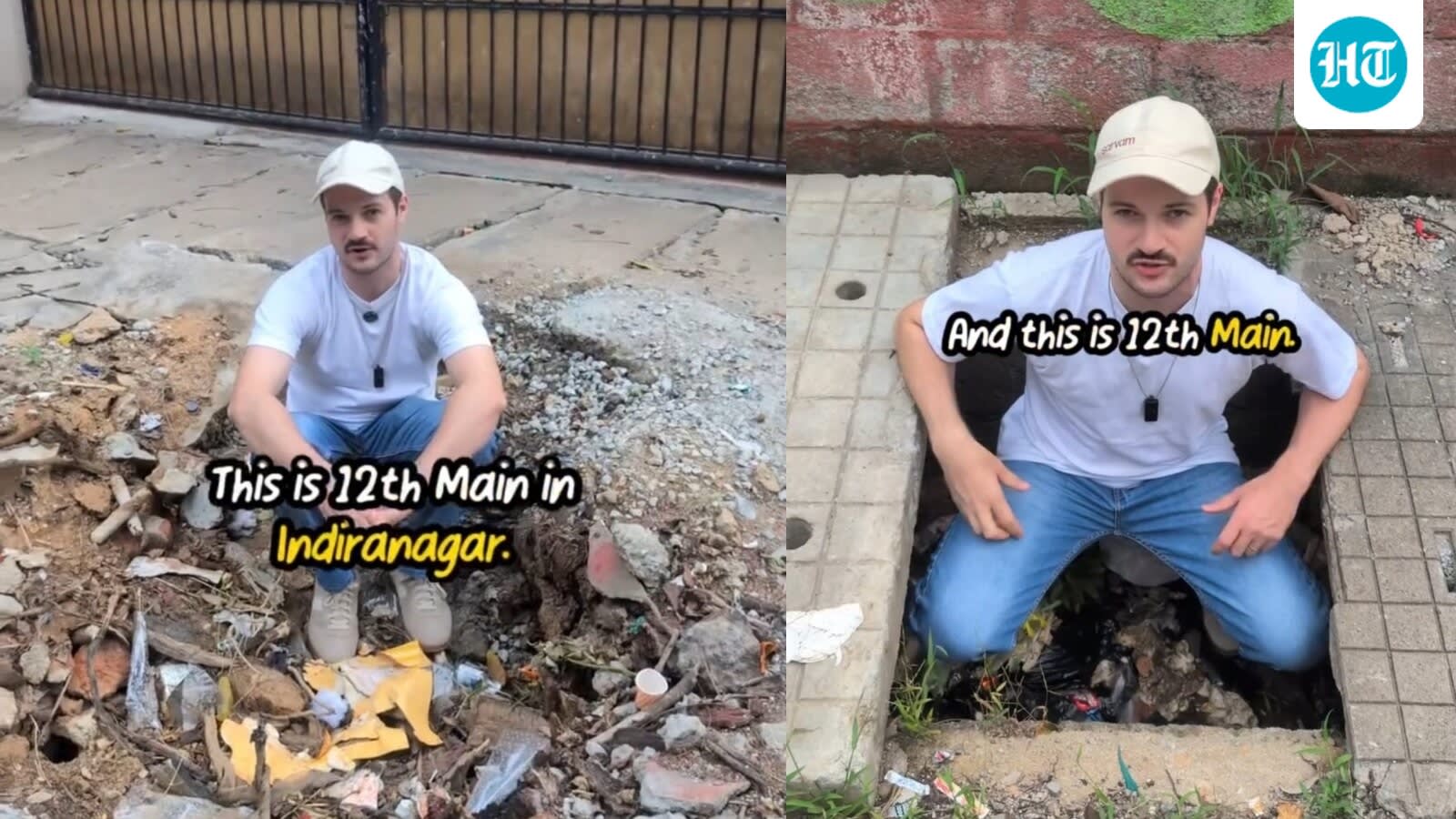
A Canadian vlogger's viral video highlighting crumbling footpaths in Bengaluru's Indiranagar has sparked renewed debate over the city's infrastructure. The incident underscores the stark contrast between Bengaluru's status as a global tech hub and its persistent challenges with basic urban maintenance.
The Infrastructure Paradox: Bengaluru Under the Lens
Recent social media discourse has brought the state of Bengaluru’s pedestrian infrastructure into sharp focus, following a viral video by Canadian vlogger Caleb Friesen. Documenting his walk along the 12th Main in Indiranagar, Friesen described the state of the footpaths as 'pathetic,' pointing to visible rubble, structural damage, and hazardous holes. This critique has reignited a long-standing debate regarding the city's ability to balance its rapid evolution as a global technology powerhouse with the fundamental requirements of urban livability.
The Tech Hub Contrast
Bengaluru, often referred to as the 'Silicon Valley of India,' occupies a unique position in the global economy. However, the juxtaposition of high-tech corporate campuses and crumbling pavement creates a narrative of uneven development. Friesen’s commentary highlights a frustration shared by many residents: why a city capable of sustaining complex global digital infrastructure struggles to maintain basic, accessible walkways for its citizens. This disconnect suggests that while economic growth has been aggressive, urban planning and maintenance have not kept pace.
Historical Context of Urban Decay
This is not the first time Bengaluru’s footpaths have faced public outcry. The city has long grappled with the 'tender SURE' (Specifications for Urban Road Execution) project and other initiatives aimed at standardizing streetscapes. Despite these efforts, the persistence of damaged pavements in prime localities like Indiranagar suggests systemic issues in project execution, quality control, and long-term maintenance cycles. The cycle of digging up roads for utilities and failing to restore them properly remains a recurring theme in the city's civic challenges.
The Role of Digital Activism
Caleb Friesen’s approach—using viral video content to document civic failures—represents a modern shift in urban accountability. By bypassing traditional channels and appealing directly to a global and local online audience, such influencers exert pressure on municipal bodies. This form of digital advocacy has become a hallmark of Bengaluru’s civic engagement, where residents frequently use social media to demand transparency and faster response times from the Bruhat Bengaluru Mahanagara Palike (BBMP).
Broader Implications and Future Trends
The departure of figures like Friesen, who previously attempted to highlight and even assist in local infrastructure fixes before moving to Mizoram, signals a broader trend of 'civic fatigue.' When residents and visitors stop viewing the city as a space where long-term improvement is possible, it impacts the city's brand as an inclusive global hub. For Bengaluru to maintain its competitive edge, it must move beyond short-term patches and prioritize durable, pedestrian-centric urban design that matches its technological ambitions.
Conclusion
The critique of Indiranagar’s footpaths is more than just a complaint about aesthetics; it is an indictment of the current state of urban governance. As Bengaluru continues to attract global talent and investment, the gap between its world-class tech output and its third-tier pedestrian infrastructure will remain a critical friction point. The path forward requires not just increased funding, but a fundamental shift toward sustainable, high-quality infrastructure management.
Verification Required?