Why is the sky yellow in northeastern US? Canadian wildfire smoke triggers air quality alerts in Massachusetts
Source Entity
Latest News: Today's Latest News Headlines from India & World | Hindustan Times | Hindustan Times
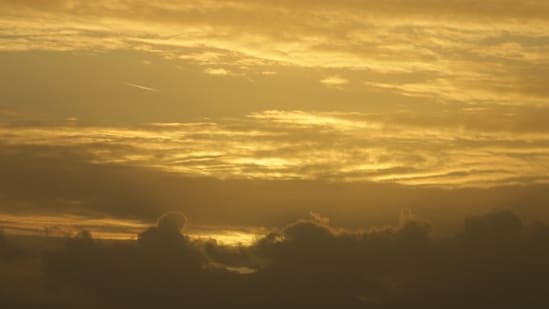
Canadian wildfire smoke has blanketed the northeastern United States, specifically affecting Boston and Massachusetts, causing the sky to turn a vivid yellow and prompting official air quality alerts.
Atmospheric Anomalies: The Yellow Skies of the Northeast
Residents of Boston and the broader northeastern United States have recently witnessed a surreal atmospheric phenomenon where the sky transitioned from its usual blue to a thick, eerie yellow. This visual shift is not a meteorological fluke but a direct consequence of massive wildfire activity in Canada. As thick plumes of smoke were carried southward by prevailing wind patterns, they settled over Massachusetts, leading to a significant degradation in air quality and the issuance of official health alerts. This event highlights the interconnectedness of North American ecosystems and the far-reaching impact of regional environmental crises.
The Science Behind the Yellow Hue
To understand why the sky appears yellow, one must look at the physics of light scattering. Under normal conditions, the Earth's atmosphere scatters shorter blue wavelengths of sunlight more effectively, which is why the sky appears blue. However, the smoke from Canadian wildfires is laden with particulate matter—specifically tiny droplets and ash—that are much larger than gas molecules. These particles preferentially scatter shorter wavelengths (blue and green) and allow longer wavelengths (yellow, orange, and red) to pass through. When the concentration of smoke is sufficiently dense, as seen in the current Massachusetts alerts, the result is a filtered, monochromatic yellow cast over the entire landscape.
Public Health Implications and Air Quality
Beyond the visual spectacle, the presence of this smoke poses a severe health risk. The air quality alerts issued through Thursday are primarily concerned with PM2.5—fine particulate matter that is 2.5 micrometers or smaller in diameter. These particles are small enough to penetrate deep into the lungs and enter the bloodstream. For the general population, this can cause irritation of the eyes, nose, and throat; however, for vulnerable groups—including children, the elderly, and those with pre-existing respiratory conditions like asthma or COPD—the smoke can trigger acute health crises. The directive to limit outdoor activity is a critical preventative measure to reduce the inhalation of these hazardous pollutants.
The Scale of Canadian Wildfires
This event is rooted in the escalating intensity of the wildfire season in Canada. Vast tracts of boreal forests have been consumed by fires, often ignited by lightning or human activity and fueled by exceptionally dry conditions. The sheer volume of biomass burning in Canada creates massive "pyrocumulonimbus" clouds—fire-generated thunderstorms—that can loft smoke high into the stratosphere. Once the smoke reaches these altitudes, it can be transported thousands of miles by high-altitude jet streams, explaining how fires in remote Canadian provinces can directly impact the air quality of a densely populated urban center like Boston.
Broader Environmental Context
While this specific event is centered on the smoke's arrival in the Northeast, it serves as a stark indicator of broader climatic trends. The increasing frequency and severity of these "smoke events" in the U.S. are closely tied to prolonged droughts and rising average temperatures in the North. As the Canadian wilderness becomes more susceptible to ignition, the likelihood of cross-border air quality crises increases. This suggests a future where urban centers in the U.S. must integrate wildfire smoke contingencies into their permanent public health infrastructure, treating these events not as anomalies, but as seasonal expectations.
Societal and Economic Disruptions
The impact of yellow skies and poor air quality extends into the economic and social fabric of the region. When air quality alerts are triggered, there is a noticeable shift in urban activity; outdoor dining, sporting events, and construction projects are often postponed or cancelled. Furthermore, aviation can be affected, as thick smoke can reduce visibility for pilots and, in extreme cases, lead to flight delays at major hubs like Logan International Airport. The psychological impact of a "darkened" or "colored" sky also tends to create a sense of urgency and anxiety among the populace, underscoring the visible nature of the climate crisis.
Conclusion
The transformation of the northeastern sky into a yellow haze is a vivid reminder of the atmospheric link between Canada and the United States. While the visual phenomenon is striking, the underlying reality is a dangerous increase in particulate pollution that threatens public health. As Canadian wildfires continue to burn with unprecedented intensity, the residents of Massachusetts and neighboring states will likely face more frequent air quality warnings, necessitating a more robust approach to environmental monitoring and public health preparedness.
Verification Required?