Mexico asks US state attorneys general to investigate immigrant ICE deaths
Source Entity
Associated Press
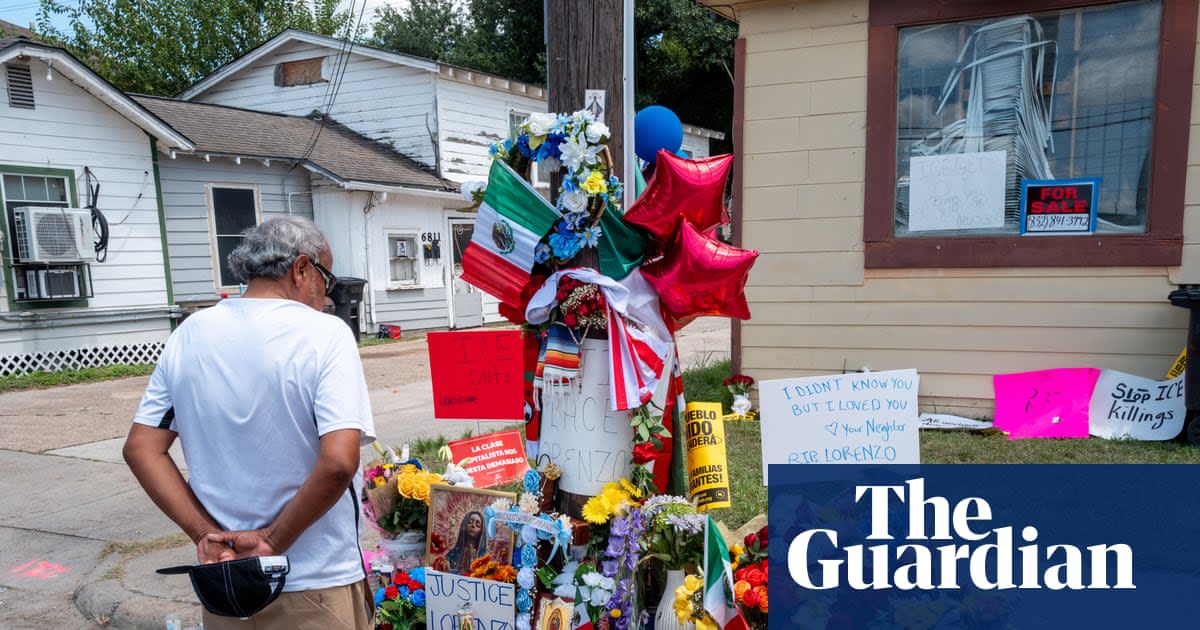
Mexico has formally requested that US state attorneys general investigate the deaths of 17 Mexican nationals in ICE custody or during enforcement operations since the start of Donald Trump's second term, following the fatal shooting of Lorenzo Salgado Araujo in Houston.
Diplomatic Friction and Human Rights: Mexico's Demand for Accountability
In a significant escalation of diplomatic tension regarding immigration enforcement, the Mexican government has formally requested that US state attorneys general launch criminal investigations into the deaths of Mexican citizens under the purview of Immigration and Customs Enforcement (ICE). This move comes in response to a worrying trend of fatalities occurring within the US immigration system, specifically during the onset of Donald Trump's second term. The request highlights a growing crisis of accountability and a perceived failure of federal oversight to protect the basic human rights of detainees and individuals during enforcement actions.
The Catalyst: The Death of Lorenzo Salgado Araujo
The immediate impetus for this formal request was the death of Lorenzo Salgado Araujo, a Mexican immigrant who was shot and killed by an ICE agent in Houston, Texas. Such incidents often spark intense legal and social debate over the use of lethal force during immigration raids. By focusing on a specific, violent encounter, the Mexican government is shifting the narrative from general policy disagreements to specific criminal allegations. The death of Mr. Araujo serves as a focal point for the broader argument that current enforcement tactics may be excessively aggressive or insufficiently regulated, leading to avoidable loss of life.
Statistical Breakdown of ICE-Related Fatalities
The scale of the tragedy is underscored by the reported numbers: 17 Mexican immigrants have died since the start of the current administration's second term. The distribution of these deaths—14 in ICE custody and three during agency operations—reveals two distinct areas of concern. Deaths in custody often point toward systemic failures in medical care, mental health support, or facility conditions. Conversely, deaths during "operations" typically involve high-stress tactical encounters, such as raids or arrests, where the risk of physical violence is highest. Together, these figures suggest a systemic vulnerability for Mexican nationals within the US immigration apparatus.
Strategic Legal Maneuvering: State vs. Federal Jurisdiction
A critical detail in this request is Mexico's decision to appeal to state attorneys general rather than exclusively targeting the US federal government. This is a strategic legal move. Because ICE is a federal agency, federal investigations are often handled by the Department of Justice, which may be less inclined to prosecute agents under an administration that prioritizes aggressive deportation. State attorneys general, however, operate under different political mandates and may be more willing to pursue criminal charges if state laws regarding homicide or negligence were violated on their soil. This approach seeks to create a legal pincer movement, utilizing state-level judicial power to bypass potential federal roadblocks.
Broader Implications and Historical Context
This clash is not an isolated event but part of a long-standing historical tension regarding the treatment of migrants at the US-Mexico border. During previous terms of the Trump administration, similar concerns regarding "zero tolerance" policies and detention conditions were raised by international human rights organizations. The current situation suggests a recurrence of these patterns, amplified by a renewed focus on mass deportations. The international community, particularly the UN and the Inter-American Commission on Human Rights, has historically viewed the treatment of detainees as a litmus test for the US's commitment to international law and the right to due process.
Future Trends and Potential Outcomes
Looking forward, this request is likely to lead to a fragmented legal landscape. Some state attorneys general in "sanctuary" states may welcome the request and launch probes, while others in more conservative states may refuse to interfere with federal immigration operations. This could lead to a patchwork of accountability where an agent's liability depends entirely on the state in which the incident occurred. Furthermore, this move may force the US federal government to implement stricter reporting requirements or revised use-of-force protocols to avoid further diplomatic fallout with its largest trading partner.
Conclusion
The request by the Mexican government represents more than a legal plea; it is a diplomatic assertion of the right to protect its citizens abroad. With 17 lives lost in a short window, the focus on Lorenzo Salgado Araujo and the broader statistics of ICE custody deaths underscores a critical need for transparency. Whether these requests result in actual criminal convictions remains to be seen, but the move ensures that the human cost of immigration enforcement remains a central point of international diplomatic discourse.