Could Scott Peterson be innocent? New documentary revisits Laci Peterson murder case; 'there's no way he did this'
Source Entity
Latest News: Today's Latest News Headlines from India & World | Hindustan Times | Hindustan Times
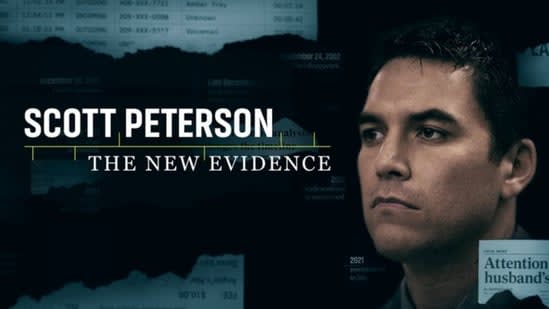
A new A&E documentary is revisiting the Laci Peterson murder case, presenting fresh evidence—including a mysterious burned van—that claims Scott Peterson may be innocent two decades after his conviction.
Revisiting a Legacy of Doubt: The Scott Peterson Case
Two decades after one of the most publicized criminal trials in American history, the case of Scott Peterson has resurfaced in the public consciousness. A new documentary produced by A&E is challenging the long-held narrative of Peterson's guilt in the 2002 disappearance and murder of his pregnant wife, Laci Peterson, and their unborn son, Conner. By introducing claims of fresh evidence, the production aims to probe whether the justice system reached the correct conclusion or if a catastrophic miscarriage of justice occurred.
The Historical Context of the Peterson Trial
To understand the weight of these new claims, one must recall the atmosphere of the original investigation. Laci Peterson vanished from Modesto, California, in December 2002. The subsequent investigation focused heavily on Scott Peterson, whose behavior—including a perceived lack of grief and a clandestine affair with Amber Harris—painted him as a calculating killer in the eyes of the prosecution and the public. The discovery of Laci and Conner's bodies in the San Francisco Bay in 2003 provided the physical evidence needed to secure a conviction, though the case remained largely circumstantial, relying on motive and behavior rather than a direct forensic link to the crime scene.
Analyzing the 'Burned Van' Evidence
The centerpiece of the new documentary's argument is the introduction of a 'mysterious burned van.' In criminal investigations, the discovery of a vehicle associated with a crime that was intentionally destroyed often suggests an attempt to eliminate DNA evidence or fingerprints. If this vehicle can be linked to the timeline of Laci's disappearance and tied to an individual other than Scott Peterson, it would fundamentally shift the theory of the crime. Such evidence suggests the possibility of a third-party abduction or a random act of violence, which would dismantle the prosecution's theory that Scott acted alone in a premeditated plot.
The Influence of Modern True Crime Media
This documentary follows a growing trend of 'investigative entertainment' where media outlets revisit closed cases to uncover errors in the original trial. From Making a Murderer to The Staircase, these productions have demonstrated that public scrutiny can sometimes lead to the reopening of cases or the granting of new appeals. By leveraging high-production value and investigative journalism, A&E is not just telling a story but is effectively acting as a secondary layer of investigation, challenging the state's original findings and forcing a re-examination of the evidence through a modern lens.
Legal Implications and Future Trends
From a legal standpoint, overturning a conviction after twenty years is an uphill battle. The defense must prove that the new evidence is not only genuine but that it would have likely resulted in a different verdict had it been presented at the time of the original trial. However, the emergence of advanced forensic technology—such as more sensitive DNA sequencing—often complements these documentary findings, providing the scientific backing necessary for a judge to grant a new hearing. We are likely to see a surge in 'cold case' reviews as old evidence is re-tested with new technology.
Conclusion: The Quest for Absolute Certainty
Whether the A&E documentary succeeds in exonerating Scott Peterson or merely adds to the existing theories of the case, it highlights the enduring obsession with the Laci Peterson tragedy. The tension between the original verdict and these new claims underscores the fragility of circumstantial evidence. Ultimately, the pursuit of this 'burned van' lead represents a broader societal desire for absolute certainty in the face of a crime that has haunted the public imagination for over twenty years.
Verification Required?