Watch: US disables oil tanker heading to Iran as naval blockade intensifies
Source Entity
TOI WORLD DESK
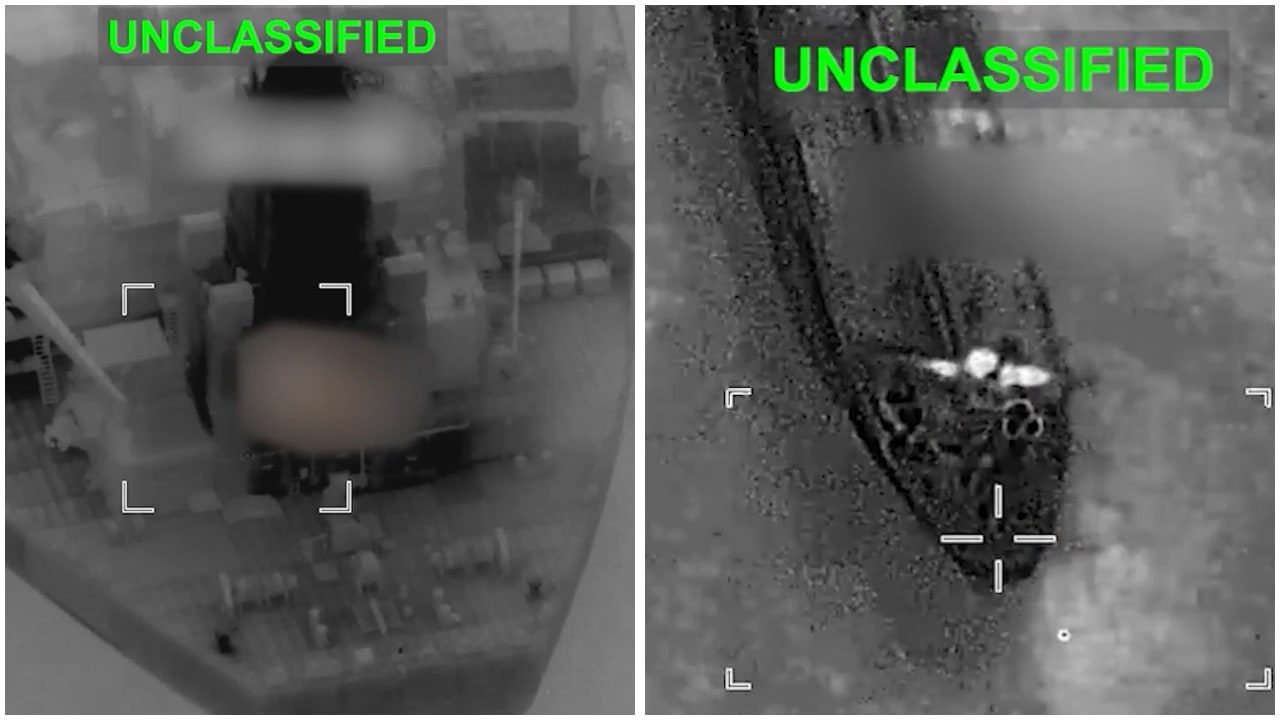
US forces have disabled an oil tanker bound for Iran's Kharg Island as part of a reinstated naval blockade, coinciding with military strikes against Iranian capabilities in the region.
Escalation in the Gulf: US Naval Blockade and the Targeting of Iranian Oil Flows
In a significant escalation of geopolitical tensions, United States naval forces have disabled an oil tanker attempting to make port at Kharg Island, Iran. This operation marks a critical juncture in the enforcement of a reinstated naval blockade aimed at restricting the flow of resources into the Islamic Republic. The incident occurred after the vessel repeatedly ignored warnings from US commanders, signaling a shift from diplomatic deterrence to active physical intervention. This move is not an isolated event but part of a broader strategy to exert maximum pressure on the Iranian regime by cutting off its primary economic lifelines.
The Strategic Significance of Kharg Island
To understand the weight of this action, one must recognize the role of Kharg Island. As Iran's primary oil export terminal, Kharg Island is the heartbeat of the nation's energy economy. By disabling a tanker bound for this specific location, the US is directly targeting the mechanism through which Iran funds its government and military operations. Historically, the control and access to this terminal have been flashpoints in Gulf security. A successful blockade of Kharg Island effectively throttles Iran's ability to engage in the global oil market, creating an immediate fiscal crisis for the state and limiting its capacity to project power regionally.
Military Synchronization and the Blockade Framework
Beyond the interception of the tanker, the US has synchronized this naval operation with targeted strikes against Iranian military capabilities in the region. This dual-track approach—economic strangulation via blockade and kinetic degradation of military assets—suggests a comprehensive campaign to neutralize Iranian influence. The "reinstated" nature of the blockade implies a return to a more aggressive posture, likely moving away from previous attempts at negotiated settlements. The precision of these strikes, coupled with the naval interception, indicates a high level of intelligence coordination and a willingness to risk direct confrontation to ensure the blockade's efficacy.
Iranian Response and the Threat of Energy Volatility
Iran has responded with sharp condemnation, characterizing the blockade as an act of aggression and a violation of international maritime law. More critically, Tehran has warned of "wider energy disruption," a phrase that carries heavy implications for the global economy. This is a veiled reference to the Strait of Hormuz, a narrow chokepoint through which a significant portion of the world's petroleum passes. If Iran chooses to retaliate by obstructing the Strait in response to the blockade at Kharg Island, the resulting spike in global oil prices could trigger a worldwide economic shock, turning a regional conflict into a global financial crisis.
Predicting the Trajectory of Conflict
Looking forward, the disabled tanker serves as a catalyst for further escalation. The US is likely to maintain a rigid enforcement posture to demonstrate that the blockade is non-negotiable. However, the risk of asymmetric warfare—such as drone attacks on shipping or cyber-attacks on energy infrastructure—increases as Iran seeks ways to bypass the naval wall. The international community will likely be split, with some allies supporting the pressure campaign and others fearing the instability of the energy markets. The coming weeks will determine whether this blockade forces Iran toward the negotiating table or pushes it toward a more aggressive military stance.
Conclusion
The disablement of the oil tanker and the accompanying military strikes represent a high-stakes gamble by the United States to cripple Iranian economic capabilities. By focusing on Kharg Island, the US has targeted the most vulnerable and vital point of Iran's economy. While the immediate goal is enforcement, the broader implication is a precarious security environment in the Persian Gulf, where a single miscalculation could lead to a full-scale maritime war and unprecedented global energy instability.