After US indicts Lawrence Bishnoi: Apology is in order, says former envoy named in Nijjar case
Source Entity
Divya A
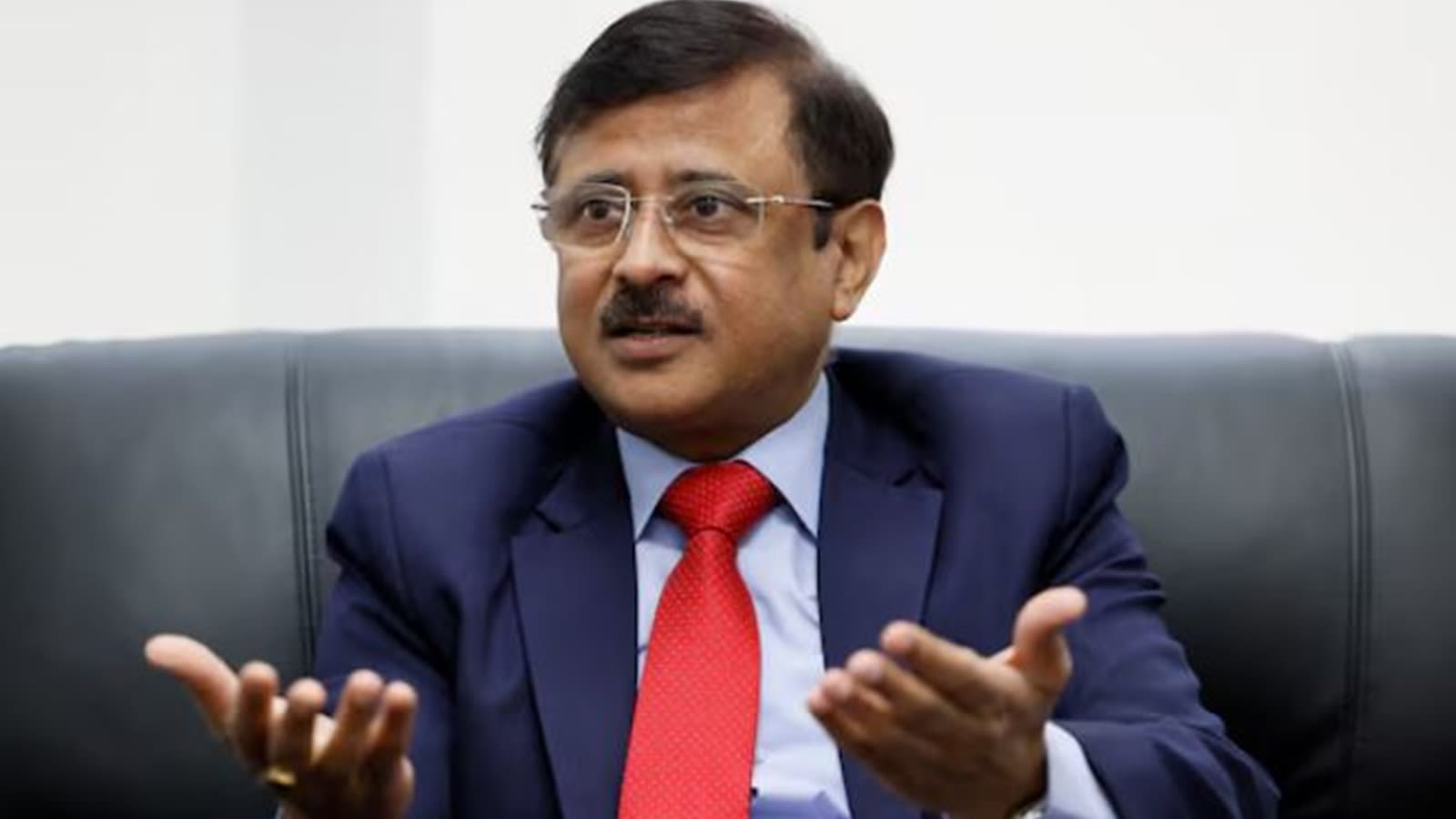
The US has indicted gangster Lawrence Bishnoi for the 2023 murder of Khalistani separatist Hardeep Singh Nijjar in Canada, a move that shifts the narrative away from previous allegations of Indian state involvement and prompts calls from former Indian diplomats for an apology from Canada.
The Bishnoi Indictment: A Geopolitical Pivot in the Nijjar Assassination Case
The recent indictment of notorious gangster Lawrence Bishnoi by United States authorities for his alleged role in ordering the 2023 killing of Hardeep Singh Nijjar in Canada represents a seismic shift in a diplomatic crisis that has strained relations between New Delhi and Ottawa for over a year. For months, the Canadian government, led by Prime Minister Justin Trudeau, had publicly alleged that agents of the Indian government were involved in a "credible allegation" linking state actors to the assassination of the Khalistani separatist. However, the US Department of Justice's focus on a transnational criminal syndicate suggests a different trajectory for the investigation, moving the spotlight from state-sponsored activity to organized crime.
Deconstructing the Criminal Narrative vs. State Allegations
The involvement of Lawrence Bishnoi, a figure known for orchestrating crimes from within Indian prisons, introduces a critical layer of complexity to the case. By indicting Bishnoi, the US is essentially framing the assassination as a hit ordered by a criminal entity rather than a strategic operation by a sovereign intelligence agency. This distinction is paramount; if the killing was the result of a gang-led conspiracy, the narrative of "state-sponsored assassination" pushed by Canada loses its primary foundation. This shift provides India with significant diplomatic leverage to argue that the accusations leveled against its government were premature and lacked sufficient evidentiary backing.
Diplomatic Fallout and the Call for an Apology
The reaction from former Indian diplomats, including the former High Commissioner mentioned in the reports, underscores the perceived vindication of India's position. The assertion that an "apology is in order" stems from the belief that Canada's public accusations caused undue damage to India's international reputation and bilateral ties without conclusive proof of state involvement. The diplomatic tension has already led to the expulsion of diplomats and a cooling of trade and security cooperation. The US indictment serves as a catalyst for India to demand a formal retraction or apology, arguing that the focus should have been on criminal networks rather than political finger-pointing.
The Role of the United States as a Geopolitical Arbiter
The US's decision to step in with an indictment is a strategic move that places Washington in the role of a quasi-arbiter between two of its key partners. While Canada and India have been locked in a stalemate, the US possesses the intelligence capabilities and legal jurisdiction to track transnational criminal movements. By identifying Bishnoi as the mastermind, the US may be attempting to stabilize the relationship between India and Canada by providing a "third way" out of the conflict—one that attributes the crime to a non-state actor, thereby allowing both nations to save face while pursuing justice.
Historical Context of the Khalistan Movement
To understand the gravity of this event, one must consider the historical tension surrounding the Khalistan movement. Hardeep Singh Nijjar was a prominent figure in the movement seeking a separate Sikh homeland in Punjab, an ambition that the Indian state views as a direct threat to its national security and territorial integrity. The history of the 1980s, marked by insurgency and military action in Punjab, continues to cast a shadow over current events. The assassination of a high-profile separatist like Nijjar was always destined to be viewed through the lens of state security, making the sudden emergence of a gangster-led plot a surprising twist in a decades-old ideological conflict.
Future Trends and Legal Implications
Looking forward, the legal proceedings against Lawrence Bishnoi will likely be closely monitored by intelligence agencies worldwide. The case will expose the extent to which organized crime syndicates can operate across borders to execute political killings, potentially blurring the lines between criminal activity and political assassination. Furthermore, this development may force Canada to re-evaluate its intelligence sources and the certainty with which it presented its claims. We can expect a period of cautious diplomatic recalibration, where India uses the US indictment to pressure Canada into a more conciliatory stance.
Conclusion: A New Chapter in Bilateral Relations
In summary, the indictment of Lawrence Bishnoi transforms the Nijjar case from a bilateral diplomatic war into a complex international criminal investigation. While the legal battle in US courts will determine Bishnoi's fate, the political battle will be fought in the halls of diplomacy. If the evidence continues to point toward a criminal conspiracy rather than state direction, the pressure on Canada to apologize will intensify, potentially paving the way for a restoration of ties between India and Canada, albeit one shadowed by the lingering distrust of the past year.