Australian uranium fuels next phase in India’s n-programme
Source Entity
Manpreet Sethi, Bhawna Budhwar
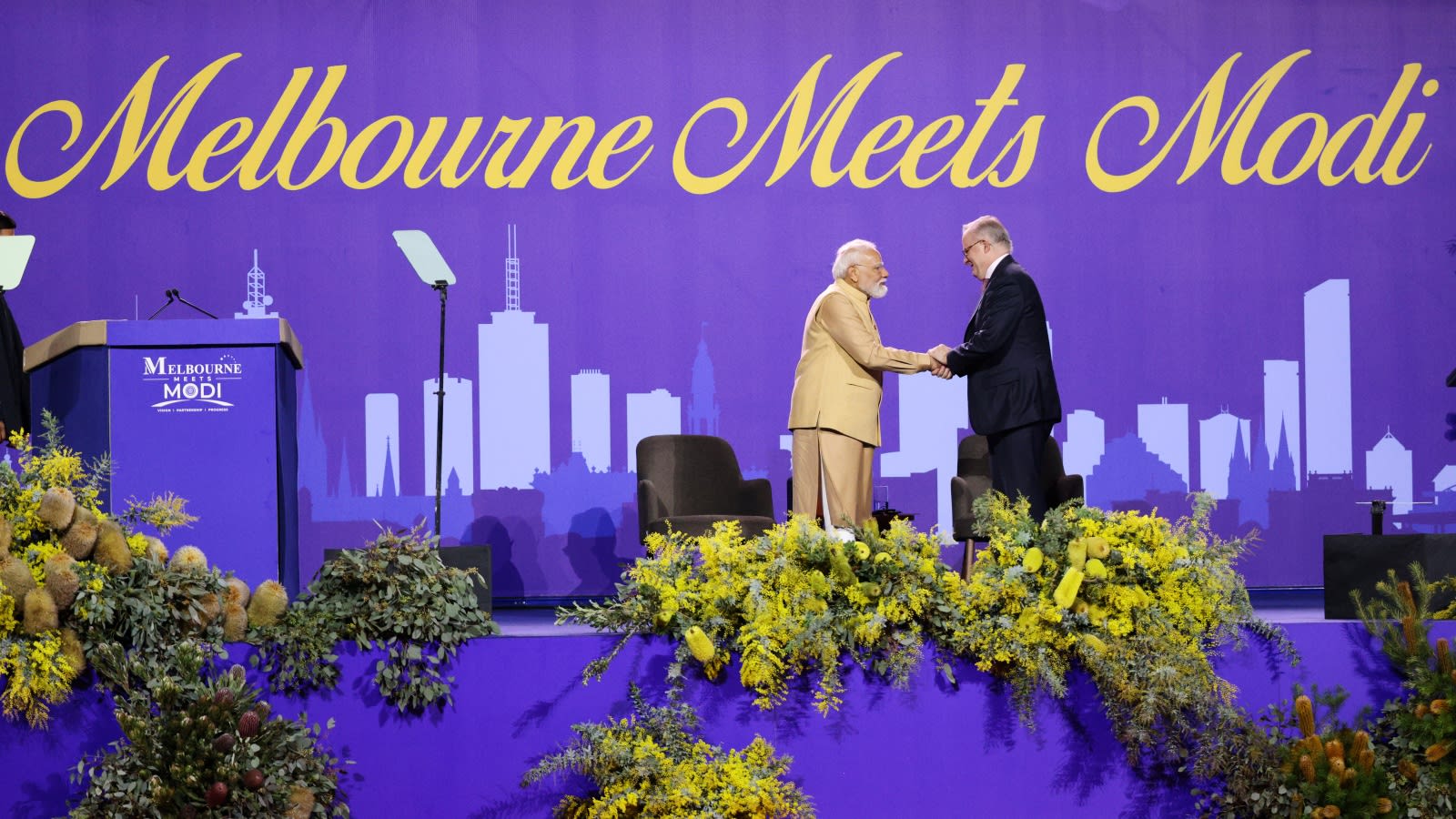
The third India-Australia Annual Summit in Melbourne highlights a strategic deepening of ties, specifically regarding the supply of Australian uranium to support India's nuclear energy program amidst global geopolitical instability and China's assertive regional presence.
Strategic Synergy: Australian Uranium and India's Nuclear Ambitions
The third India-Australia Annual Summit, held in Melbourne on July 9, represents a critical juncture in the bilateral relationship between two democratic powers in the Indo-Pacific. At the heart of this summit is the strategic agreement to leverage Australian uranium to fuel the next phase of India's nuclear program. This development is not merely a trade transaction but a profound signal of trust and strategic alignment. By securing a stable supply of uranium, India is positioning itself to enhance its energy security while reducing its reliance on volatile energy markets, ensuring that its growth trajectory remains uninterrupted by external shocks.
Energy Security in a Volatile Era
The timing of this agreement is particularly significant given the "challenging global landscape" mentioned in the reports. With ongoing conflicts in Europe and West Asia, global supply chains for energy and critical minerals have become increasingly fragile. For India, the transition toward a more robust nuclear energy infrastructure is a necessity for achieving its climate goals and sustaining its industrial expansion. Australian uranium provides a reliable, high-quality fuel source that allows India to scale its nuclear capacity, thereby diversifying its energy mix away from fossil fuels and mitigating the risks associated with the current global energy crisis.
Geopolitical Counterweights and the China Factor
Beyond the technicalities of nuclear fuel, the summit is heavily influenced by the geopolitical climate, specifically the assertive "muscle flexing" of China in the region. Both India and Australia share concerns regarding the maintenance of a free, open, and inclusive Indo-Pacific. The deepening of their strategic partnership—symbolized by the uranium deal—serves as a diplomatic counterweight to hegemonic ambitions in Asia. By strengthening their economic and security ties, New Delhi and Canberra are effectively signaling their commitment to a rules-based international order, ensuring that no single power can unilaterally dictate the terms of regional engagement.
India's Nuclear Roadmap and Technological Integration
India's nuclear program is characterized by a sophisticated three-stage plan aimed at utilizing its vast thorium reserves. However, the initial and intermediate stages require a steady supply of uranium to maintain the reactors that provide the base-load power necessary for the program's success. The influx of Australian uranium is the catalyst required to move into the next phase of this journey. This partnership likely extends beyond the raw material, potentially opening doors for deeper cooperation in nuclear technology, safety protocols, and waste management, which are essential for the sustainable expansion of nuclear power.
Broader Implications for Global Diplomacy
This summit underscores a broader shift in Australian foreign policy, moving toward a more integrated partnership with India as a primary security and economic partner. Historically, uranium exports were strictly regulated; however, the exception made for India reflects a recognition of India's status as a responsible nuclear power. This shift indicates a transition from purely commercial relationships to a "Comprehensive Strategic Partnership." The collaboration suggests that the two nations view their synergy as essential for regional stability, extending their cooperation into areas of defense, critical minerals, and intelligence sharing.
Conclusion: A Blueprint for Indo-Pacific Stability
In summary, the third India-Australia Annual Summit has successfully synthesized economic necessity with strategic foresight. The commitment to fuel India's nuclear program with Australian uranium is a cornerstone of a larger architecture designed to ensure energy independence and regional security. As the world grapples with systemic instability and shifting power dynamics, the India-Australia axis is likely to strengthen further, providing a stabilizing force in the Indo-Pacific and setting a precedent for how democratic nations can collaborate to secure their futures against a backdrop of global volatility.