US launches fifth straight day of strikes on Iran, targets military sites near Hormuz
Source Entity
TOI WORLD DESK
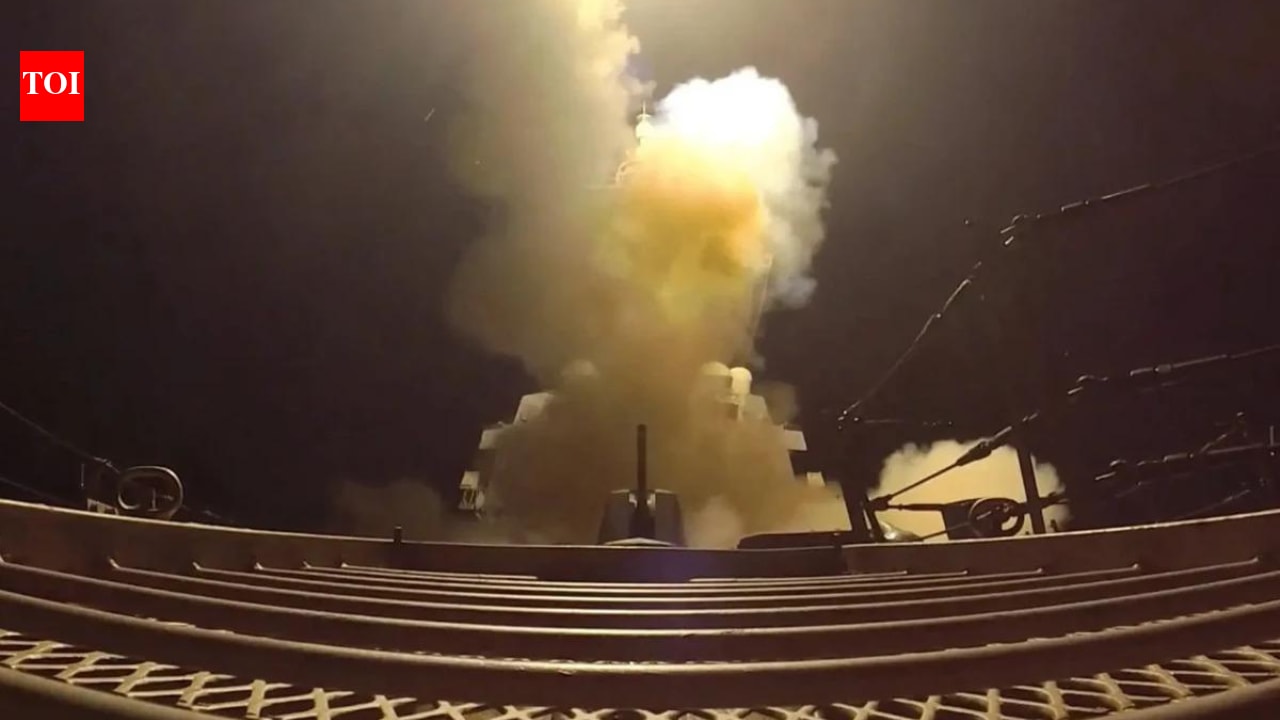
United States forces have conducted airstrikes against Iran for the fifth consecutive day, specifically targeting missile infrastructure and coastal defense systems near the strategic Strait of Hormuz, effectively dismantling hopes for a ceasefire.
Escalation in the Gulf: Analysis of US Airstrikes on Iranian Infrastructure
The recent surge in military activity in the Persian Gulf has reached a critical tipping point, with United States forces launching airstrikes against Iranian targets for the fifth consecutive day. This sustained campaign marks a significant shift from sporadic skirmishes to a concentrated effort to degrade Iran's strategic capabilities. By focusing specifically on coastal defense systems and missile infrastructure near the Strait of Hormuz, the US is engaging in a high-stakes strategy of tactical neutralization, aiming to reduce Iran's ability to project power over one of the world's most vital maritime arteries.
The Strategic Significance of the Strait of Hormuz
The decision to target sites near the Strait of Hormuz is not incidental; it is a calculated move based on the geography of global energy security. The Strait is the primary chokepoint for global oil shipments, and any disruption here could trigger a worldwide economic crisis. By dismantling coastal defense systems, the US is likely attempting to ensure that its naval assets can operate without the threat of land-based anti-ship missiles. This approach suggests that the US is prioritizing the freedom of navigation and the security of energy transit over diplomatic de-escalation, signaling a readiness to maintain military dominance in the region regardless of the political cost.
Degradation of Missile Infrastructure and Military Impact
The reports of explosions across southern Iran indicate that the US strikes successfully penetrated Iranian airspace to hit high-value missile infrastructure. Targeting these sites is a clear attempt to limit Iran's retaliatory capacity. When a nation's missile capabilities are compromised, its ability to conduct asymmetric warfare—the primary tool of Iranian foreign policy—is severely diminished. This degradation is likely intended to force the Iranian leadership into a position of weakness, stripping them of the leverage needed to threaten regional neighbors or US allies in the area.
Political Fallout and the "Existential War" Narrative
The reaction from the Iranian government, specifically the parliament speaker's description of the conflict as an "existential war," reveals the depth of the crisis. In political terms, labeling a conflict as "existential" suggests that the Iranian leadership no longer views these strikes as mere tactical disagreements, but as a direct threat to the survival of the regime. This rhetoric is often used to galvanize domestic support and justify extreme retaliatory measures. When a state perceives its existence is at stake, the threshold for using unconventional weapons or mobilizing proxy forces drops significantly, increasing the risk of a wider regional conflagration.
The Collapse of Diplomatic Off-Ramps
Perhaps the most concerning aspect of this development is the explicit mention that these strikes have weakened hopes of reviving a recent ceasefire agreement. Diplomacy usually functions as a safety valve during military escalations; however, five days of continuous bombing suggest that the diplomatic channel has either completely failed or is being intentionally bypassed. The transition from a ceasefire attempt to a sustained bombing campaign indicates a breakdown in trust and a belief by the US administration that kinetic action is the only remaining viable tool to achieve its strategic objectives in the region.
Future Trends and Regional Implications
Looking forward, the trajectory of this conflict suggests two primary possibilities. Either these strikes will lead to a rapid Iranian capitulation and a forced return to the negotiating table under unfavorable terms, or they will trigger a massive asymmetric response. Given the focus on coastal defenses, we may see Iran attempt to disrupt shipping lanes using naval mines or fast-attack craft to compensate for their lost missile infrastructure. Furthermore, the involvement of regional allies and the potential for oil price volatility will likely draw in international mediators, though the current momentum favors military escalation over diplomatic resolution.
Conclusion
In summary, the fifth day of US strikes on Iran represents a decisive escalation that prioritizes the neutralization of Iranian military assets over diplomatic stability. By targeting the Strait of Hormuz, the US has placed the conflict at the center of global economic interests. With the Iranian government viewing the struggle as existential and the ceasefire effectively dead, the region enters a period of extreme instability where the risk of a full-scale war is higher than it has been in decades.