Collapse At Illegal Gold Mine Kills At Least 13 In Colombia
Source Entity
NDTV News Search Records Found 1000
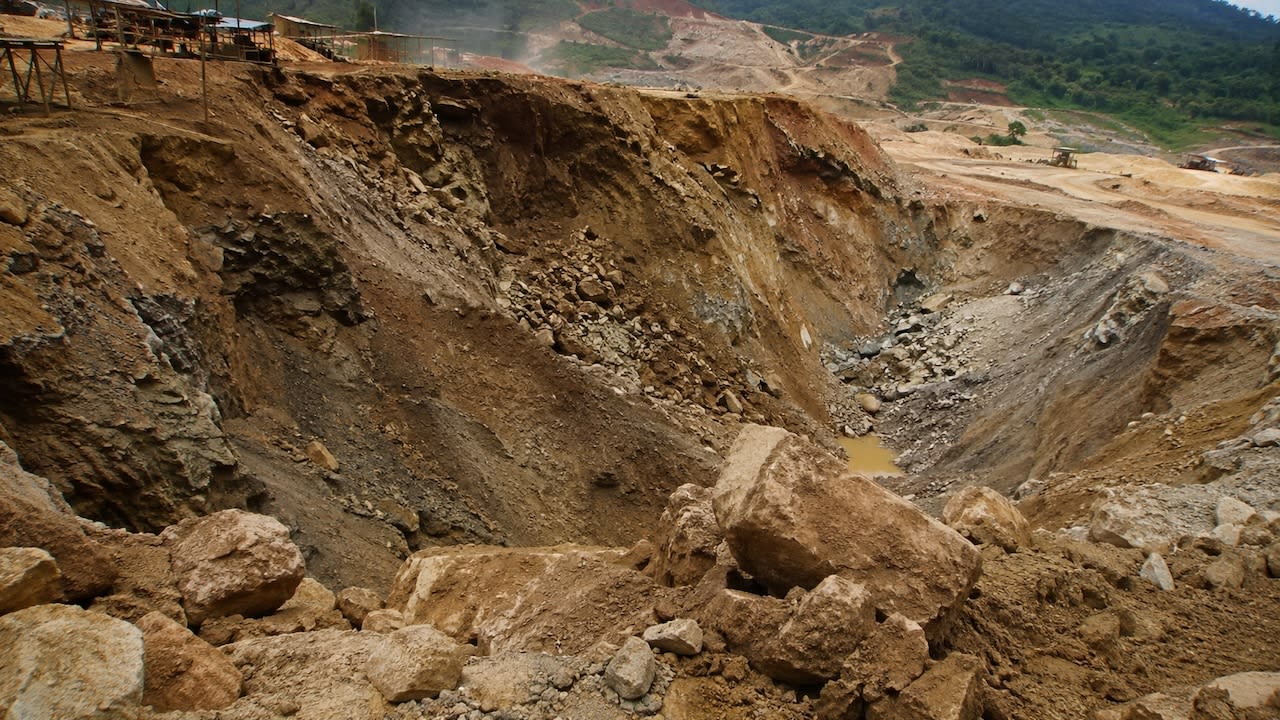
A devastating landslide at an artisanal gold mine in the village of Zamboye, Central African Republic, has resulted in over 100 fatalities. The incident highlights the extreme dangers of unregulated mining operations along the border region.
Tragedy Strikes Zamboye: Artisanal Mine Collapse in CAR
A catastrophic industrial accident occurred this week in the village of Zamboye, located in the western region of the Central African Republic (CAR), approximately 50 kilometers from the town of Baboua. A massive landslide decimated an artisanal gold mining site, resulting in a death toll that has surpassed 100 individuals. Local officials and Red Cross volunteers, including Gervais Ganagoroh, have confirmed the recovery of over 100 bodies, marking this as one of the deadliest mining incidents in the region's recent history.
The Mechanics of the Disaster
Reports indicate that the disaster unfolded on a Tuesday afternoon when an avalanche of sand descended upon the miners, effectively burying them alive. The speed and scale of the collapse suggest a total failure of the unstable soil structure, which is common in areas where artisanal mining is conducted without geological oversight or structural reinforcement. This incident serves as a grim reminder of the volatility inherent in informal mining, where the pursuit of precious metals often ignores basic physical safety protocols.
Border Instability and Mining Risks
This collapse is not an isolated event but rather the latest in a series of deadly accidents occurring along the border zone shared by the Central African Republic and Cameroon. The geography of this region, characterized by loose soil and intensive, unregulated excavation, creates a permanent state of peril for the local population. The proximity to the border complicates administrative oversight, as these informal sites often operate outside the purview of national regulatory frameworks, leaving miners vulnerable to environmental hazards.
Socio-Economic Pressures
It is essential to understand that for many in the CAR, artisanal mining is a matter of economic survival rather than regulated industry. The lack of formal employment opportunities forces individuals into these hazardous environments. When combined with a lack of equipment and safety training, the result is a high-risk landscape where the cost of a single miscalculation or a shift in weather conditions can lead to mass casualties.
Comparative Global Context
While the disaster in Zamboye is specific to the CAR, it reflects a broader global crisis regarding the safety of informal mining. Similar risks are evident in countries like Colombia, where the accumulation of trapped gases often leads to violent explosions. Whether through landslides in Africa or gas-induced collapses in South America, the common thread is the absence of professional engineering, leading to preventable tragedies that claim the lives of the most economically vulnerable workers.
Future Implications and Conclusion
Moving forward, the incident in Zamboye will likely catalyze discussions regarding the regulation of artisanal mining in the CAR. Without significant intervention, investment in safety equipment, and the implementation of basic geological standards, the cycle of death in these border regions is likely to continue. The tragedy underscores an urgent need for international aid and local government cooperation to formalize mining practices, prioritize human life over output, and address the systemic poverty that drives workers into such perilous conditions.
Verification Required?