Leopard, caught in wild boar trap, dies in Keralam’s Kannur
Source Entity
India Latest News: Top National Headlines Today & Breaking News | The Hindu
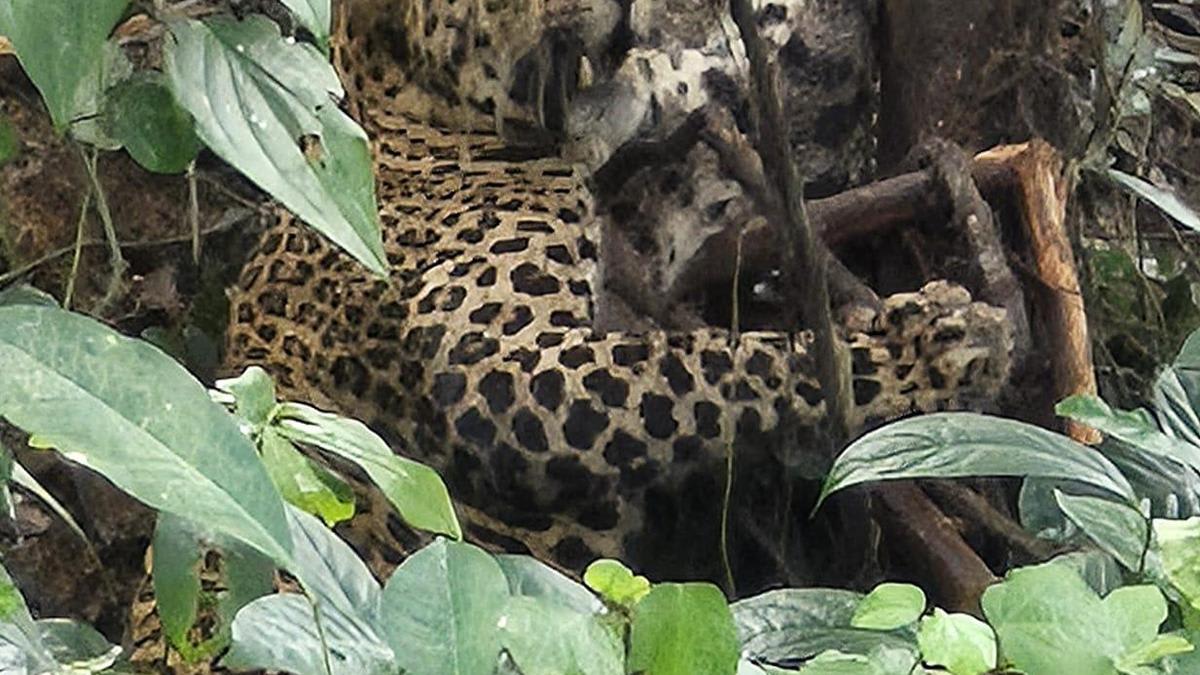
A six-year-old leopard died in Kannur, Kerala, after being caught in an illegal trap intended for wild boars. Forest officials have initiated an investigation into the incident following the animal's death during rescue efforts.
The Tragic Intersection of Human-Wildlife Conflict in Kerala
The recent death of a six-year-old leopard in Maloor, Kannur, highlights a growing and dangerous trend of human-wildlife conflict in agricultural regions of Kerala. The incident, which occurred on the land of a local farmer identified as Ramachandran, serves as a grim reminder of the desperation faced by cultivators whose livelihoods are threatened by persistent crop raids from wild boars. While the trap was reportedly intended for agricultural protection, its lethal outcome for a protected predator underscores the severity of the issue.
The Mechanics of the Conflict
According to reports, the trap was set following repeated incursions by wild boars that damaged crops in the KPR Nagar area. In many regions bordering forest fringes, farmers often resort to makeshift traps or snares as a defensive measure against wild animals. However, these indiscriminate devices frequently capture non-target species, such as leopards, which are apex predators in these ecosystems. The discovery of the trapped animal by local residents in the early hours of Thursday triggered an immediate response from the Kottiyoor Forest Range Office.
Failed Rescue and Fatal Consequences
Forest officials arrived on the scene and attempted a rescue operation by tranquilizing the leopard. Despite the intervention, the animal had already sustained severe injuries from the snare. The leopard succumbed to these injuries while being transported for medical care. This sequence of events highlights the immense logistical challenges forest departments face when attempting to manage wildlife trapped in human-dominated landscapes, where time-sensitive care is often hindered by the nature of the injuries sustained.
Broader Implications for Conservation
This incident is not an isolated event but rather a symptom of broader ecological shifts. As human encroachment into forest buffer zones increases, the territorial ranges of leopards frequently overlap with human agricultural plots. The reliance on illegal traps suggests a lack of effective, non-lethal mitigation strategies for farmers dealing with crop-raiding wildlife. Without robust compensation models or government-supported deterrents, the cycle of setting illegal traps is likely to continue, further endangering local wildlife populations.
Investigatory Measures and Future Outlook
Following the death of the leopard, the Forest Department has initiated an investigation into the circumstances surrounding the placement of the trap. Legal consequences for the use of such devices are significant, as they violate wildlife protection regulations. Looking forward, the state must prioritize sustainable human-wildlife co-existence strategies, such as the installation of secure fencing or the implementation of community-led monitoring, to ensure that both agricultural security and biodiversity conservation can be managed effectively without further loss of life.
Verification Required?