Carnegie Mellon is putting computer science courses on YouTube for free
Source Entity
Hacker News
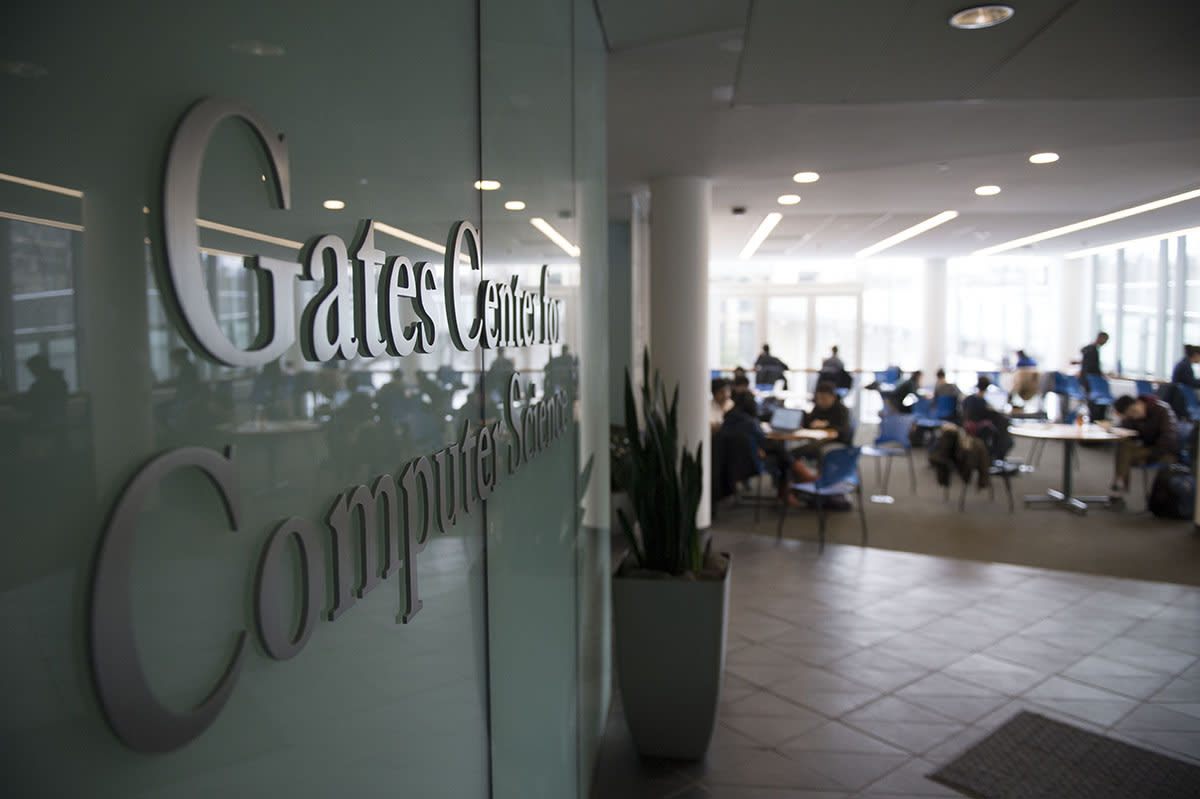
Carnegie Mellon University is expanding its educational reach by launching free computer science courses on YouTube. This initiative will also integrate AI-powered tutoring to assist students in real-time as they navigate complex course material.
Carnegie Mellon Democratizes Computer Science Education
Carnegie Mellon University (CMU), a globally recognized leader in computer science research and pedagogy, has announced a significant expansion of its digital footprint. By migrating core computer science courseware to YouTube, the institution is taking a decisive step toward democratizing access to high-level technical education. This move signals a broader shift in academia where elite universities are increasingly leveraging global streaming platforms to disseminate knowledge beyond the confines of their physical campus in Pittsburgh.
The Integration of AI Tutoring
Beyond simply hosting video lectures, the initiative introduces an integrated AI tutoring system designed to enhance the learning experience. This tool aims to provide immediate feedback, allowing students to work through intricate problem sets and get 'unstuck' without the need for a human teaching assistant. By embedding artificial intelligence into the courseware, CMU is addressing one of the primary hurdles in remote learning: the lack of personalized, real-time academic support.
The Evolution of Open Courseware
This development is the latest chapter in the long-standing 'Open Courseware' movement, which began in the early 2000s. While platforms like Coursera and edX have long facilitated structured online learning, the choice of YouTube underscores a preference for accessibility and discoverability. By utilizing a platform with a massive, pre-existing user base, CMU is effectively removing the friction that often prevents self-taught programmers from accessing high-quality, university-level curricula.
Implications for Global Talent Development
This strategy has profound implications for the global talent pipeline. In an era where digital literacy is the bedrock of economic advancement, providing free access to CMU-grade materials allows students in resource-constrained regions to gain the same foundational knowledge as those at top-tier institutions. If successful, this model could pressure other top-tier universities to follow suit, potentially shifting the value proposition of a traditional degree toward the credentialing aspect rather than the content itself.
Future Trends in Hybrid Education
Looking ahead, the success of this initiative will likely hinge on the efficacy of the AI tutor. As these systems grow more sophisticated, we can expect a future where massive open online courses (MOOCs) are no longer passive viewing experiences but interactive, adaptive learning environments. CMU’s focus on 'getting unstuck' suggests a future where AI-augmented education becomes the standard, significantly lowering the barrier to entry for complex technical fields.
Conclusion
Carnegie Mellon’s decision to publish its computer science curriculum on YouTube is a landmark moment for open education. By combining world-class instructional content with AI-driven pedagogical support, the university is not only expanding its influence but is also setting a new benchmark for how elite institutions can contribute to the global democratization of technical expertise.