NEET row: CBI claims NTA experts breached 'secrecy pact', face life term, Rs 1cr fine
Source Entity
KANISHK SHARMA
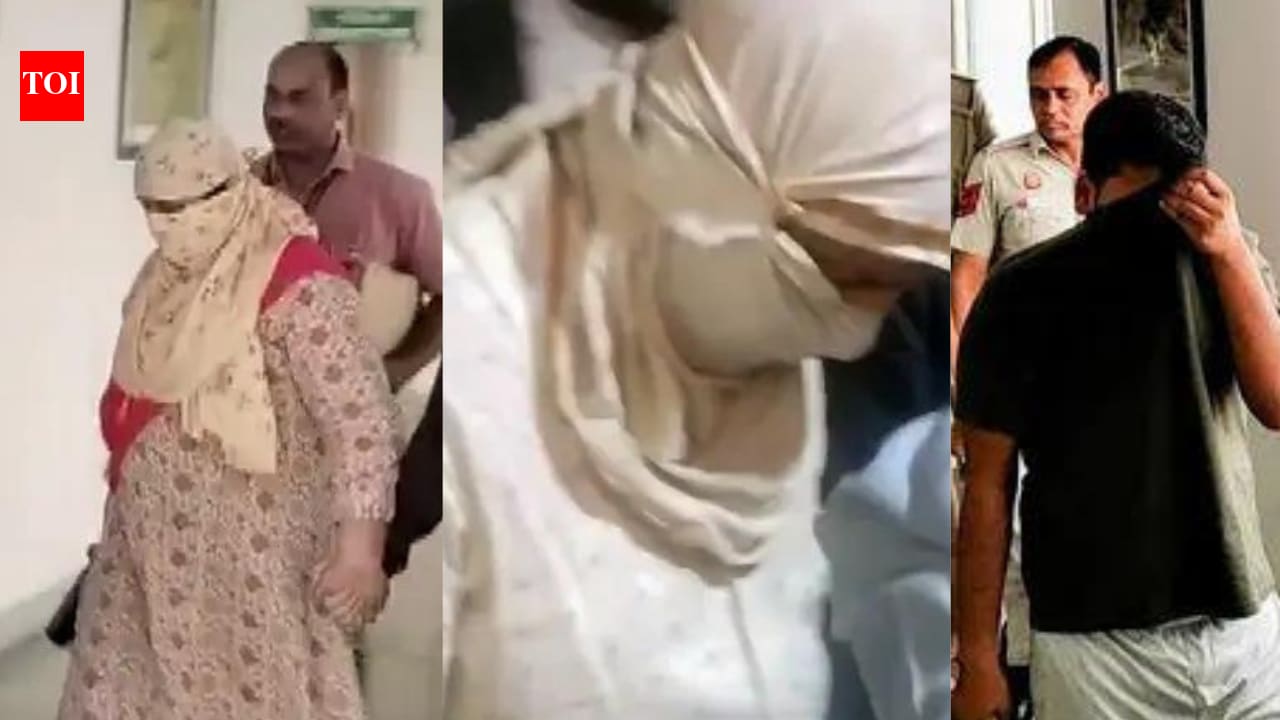
The CBI has filed a chargesheet against three NTA experts for leaking NEET-UG 2026 exam papers. Investigators used digital footprints from WhatsApp and the Mygate app to uncover a conspiracy involving coaching centers and illicit student access.
The NEET-UG 2026 Integrity Crisis: A Deep Dive into the CBI Probe
The Breach of Secrecy
The integrity of the NEET-UG 2026 examination, a critical gateway for medical education in India, has been severely compromised. The Central Bureau of Investigation (CBI) has officially filed a chargesheet in a Delhi court against three National Testing Agency (NTA) subject experts. These individuals are accused of orchestrating a sophisticated leak of confidential question papers, directly violating the secrecy pacts mandated for examination conduct. This breach marks a significant failure in the administrative oversight of one of the nation's most high-stakes academic evaluations.
Digital Forensics: The Role of Mygate and WhatsApp
The investigation proved to be a masterclass in digital forensic analysis. CBI sleuths initially flagged suspicious activity after identifying a seemingly innocuous WhatsApp message sent to chemistry professor PV Kulkarni, inquiring about his address under the guise of gifting him a watch. By cross-referencing this lead with data from the Mygate app—which monitors residential access—investigators successfully mapped the movements of the conspirators. Furthermore, the discovery of a WhatsApp group titled 'Fifa world cup' provided the essential link between the experts and the beneficiaries of the leak.
The Mechanics of the Conspiracy
The modus operandi of the accused was both calculated and exploitative. According to the chargesheet, the experts memorized confidential exam questions and disseminated them to students who paid for access to 'special classes' hosted by Kulkarni in his private apartment. The reach of this organized gang extended far beyond the capital, with evidence suggesting that leaked materials were smuggled to Rajasthan. There, coaching centers acted as distribution hubs, effectively commodifying the examination process for a profit-seeking clientele.
Legal Implications and Stringent Penalties
The legal ramifications for those involved are unprecedented. Under the recently established Bharatiya Nyaya Sanhita (BNS), specifically Section 316(5), the criminal breach of trust by a public servant is treated with extreme severity. The accused now face the possibility of life imprisonment and fines reaching up to Rs 1 crore. This shift in legal framework signals a hardening of the government's stance against examination malpractices, aiming to deter future attempts at systemic subversion.
Broader Implications for NTA and Future Trends
This scandal exposes critical vulnerabilities within the NTA's operational protocols. By exploiting the very experts tasked with setting the exam, the conspirators bypassed traditional security layers, leaving the system exposed from within. Moving forward, the NTA faces intense pressure to overhaul its vetting processes and internal security architectures. The reliance on digital forensics in this case suggests that future investigations will likely lean heavily on metadata and encrypted communication logs, setting a new standard for how academic fraud is monitored and dismantled in India.
Conclusion
The NEET-UG 2026 scandal serves as a stark reminder of the fragile nature of centralized testing systems. While the CBI's successful identification of the perpetrators brings a measure of justice, it also highlights the urgent need for a more robust, tamper-proof system. The outcome of the ongoing court proceedings will be a bellwether for how India handles institutional corruption, ensuring that the sanctity of merit-based medical admissions is preserved for future generations.