Mobile vet unit brings healthcare to tribal livestock in Nilambur
Source Entity
India Latest News: Top National Headlines Today & Breaking News | The Hindu
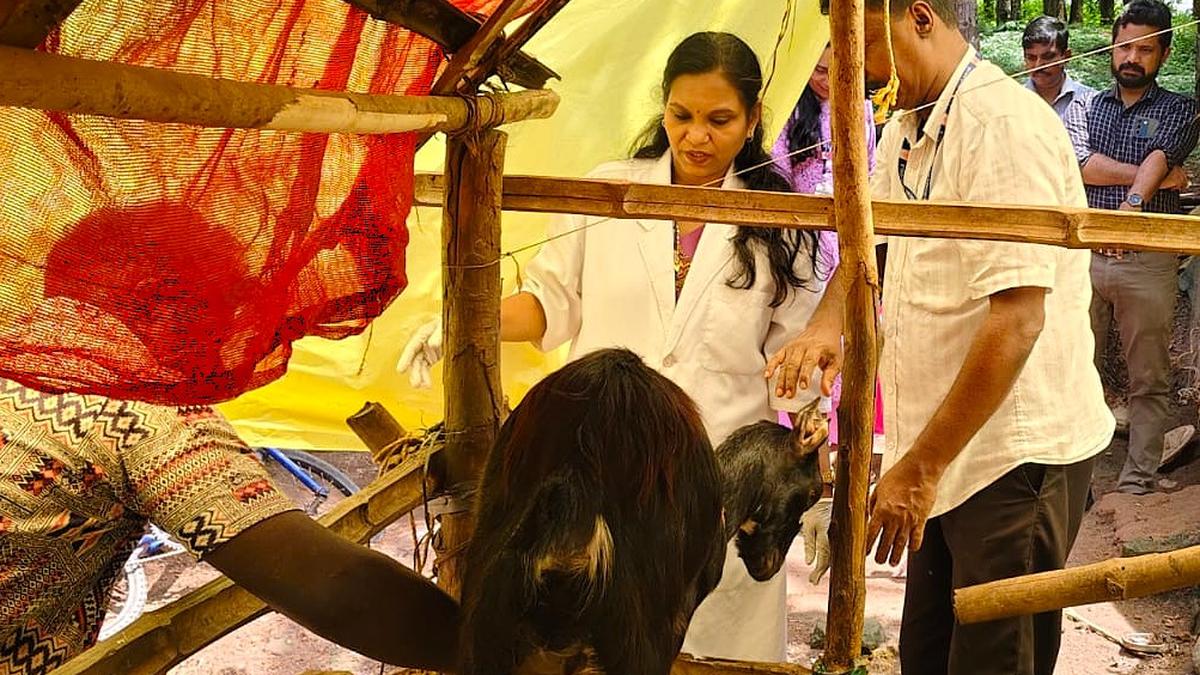
A new mobile veterinary unit is providing essential healthcare to tribal livestock in Nilambur and Kalikavu. This initiative, supported by NABARD's TRIBES project, reduces high transportation costs and prevents preventable animal deaths in remote regions.
Enhancing Tribal Livelihoods: The Mobile Veterinary Initiative in Nilambur
Addressing the Rural Healthcare Gap
In the remote settlements of Nilambur and Kalikavu, tribal farmers have long grappled with the logistical and financial burdens of maintaining livestock health. The recent introduction of a mobile veterinary unit marks a significant shift in how rural infrastructure reaches these underserved communities. By bringing essential medical services directly to the farmers' doorsteps, this initiative effectively eliminates the geographical barriers that previously left tribal households vulnerable to economic shocks caused by livestock loss.
The Role of NABARD and the TRIBES Project
At the heart of this development is the TRIBES (Tribal Resilience Initiative for Building Environmentally Sustainable Livelihoods) project, spearheaded by the National Bank for Agriculture and Rural Development (NABARD). By focusing on goat rearing, the program promotes a sustainable livelihood model that is well-suited to the tribal ecosystem. Implemented by the Jan Shikshan Sansthan (JSS), the project leverages a multi-agency convergence model to ensure that developmental aid is not just provided, but is also accessible and functional within the specific socio-economic context of the Nilambur region.
Economic Implications for Tribal Farmers
Historically, the cost of veterinary care in these remote areas was prohibitive. JSS director V. Ummer Koya highlighted that farmers previously faced expenses as high as ₹3,000 just to transport a veterinary professional to isolated locations like the Ambumala hamlet. Such costs are unsustainable for small-scale tribal farmers. By removing this financial hurdle, the mobile unit directly protects the household income of these farmers, allowing them to invest in the growth of their flocks rather than emergency crisis management.
Mitigating Livestock Mortality
Beyond the economic aspect, the initiative addresses the critical issue of animal mortality. Previously, the delay in receiving veterinary care often resulted in preventable deaths. Furthermore, the lack of timely postmortem examinations meant that farmers remained unaware of disease outbreaks, which could then spread rapidly through a herd. The presence of a mobile unit ensures rapid intervention, which is essential for maintaining the health and productivity of the livestock population.
Future Trends and Sustainability
This model of localized, mobile service delivery could serve as a blueprint for other rural development projects across India. By integrating technology and mobile infrastructure, agencies can bypass the limitations of traditional, centralized veterinary clinics. As the TRIBES project continues to gain momentum, it is likely that similar convergence models will be adopted to address other gaps in tribal welfare, such as human healthcare and education, ultimately fostering a more resilient and self-sufficient tribal economy.
Verification Required?