Studying abroad, visiting India or working overseas? Who gets counted in Census 2027
Source Entity
ARVIND CHAUHAN
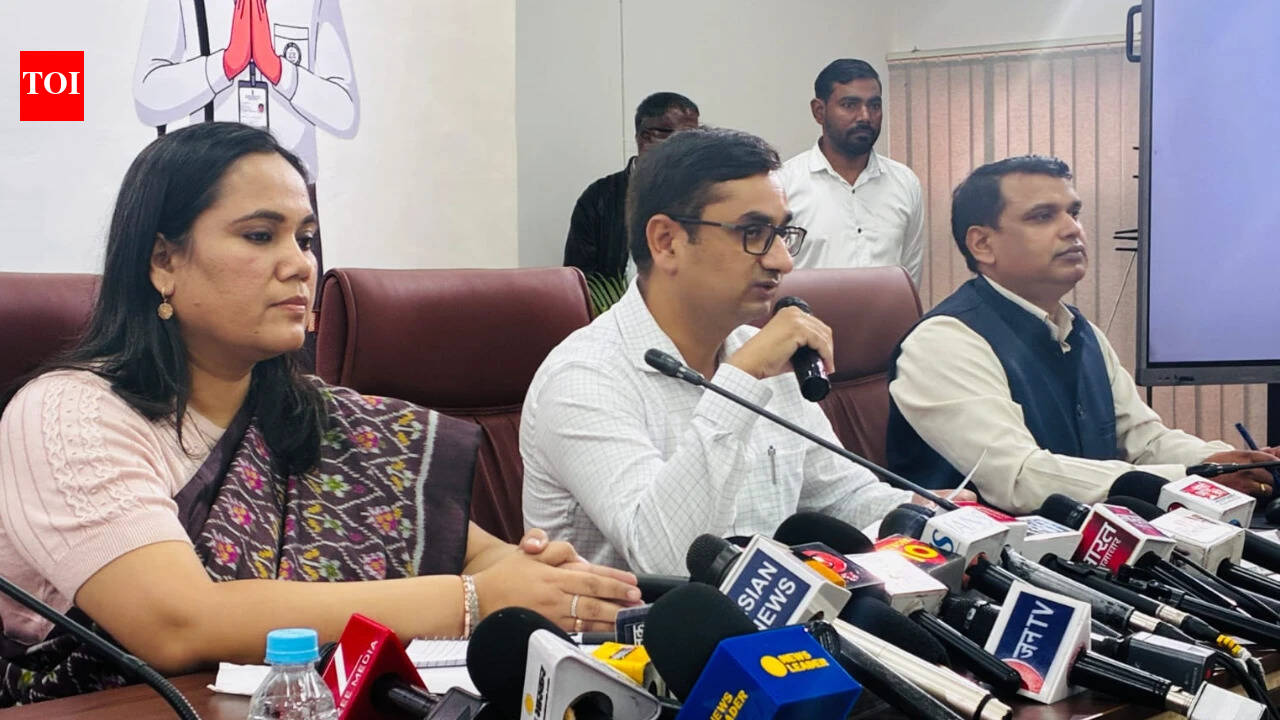
India's Census 2027 will feature a hybrid approach, combining online self-enumeration from November 2026 with extensive door-to-door verification. Residents temporarily abroad are included if they return within 35 days, while massive manpower is deployed to ensure comprehensive data collection.
Preparing for Census 2027: A New Era of Data Collection
India is gearing up for a significant national milestone with the upcoming Census 2027. This exercise is designed to provide a granular understanding of the nation’s demographic landscape, covering critical metrics such as migration, disability, education, occupation, and access to banking. By modernizing the process, authorities aim to balance digital convenience with the traditional rigor of field-based verification.
The Hybrid Enumeration Strategy
The census will utilize a two-pronged approach. An online self-enumeration phase is scheduled to run from November 16 to November 30, 2026, allowing citizens to input household data remotely. However, this is not a complete replacement for traditional methods; it will be followed by a mandatory door-to-door verification process starting December 1, 2026, and concluding on January 4, 2027. This ensures that even those without digital access are accounted for, maintaining the inclusivity of the national count.
Clarifying Residency and Overseas Travel
One of the most pertinent clarifications from Sheetal Verma, Director of Census Operations for Uttar Pradesh, concerns the status of Indian residents traveling abroad. To avoid confusion between temporary travelers and those who have permanently migrated, the census rules dictate that residents abroad will be counted at their usual place of residence in India, provided they return within 35 days. This distinction is vital for maintaining accurate demographic data while respecting the mobility of the global Indian workforce.
Logistical Scale in Lucknow
In Lucknow, the administrative machinery is already in full swing. With 10,467 enumerators and supervisors deployed, the scale of the operation is immense. Municipal Commissioner Gaurav Kumar has emphasized the importance of coordination between zonal officers and tax superintendents to ensure that no household is left behind. This massive deployment highlights the complexity of managing urban data collection in one of India's rapidly growing cities.
The Broader Implications for Policy
Data collected during this census will serve as the backbone for government planning for the next decade. By capturing specific socio-economic indicators—such as access to banking and educational levels—the government can better target welfare programs and infrastructure development. The timely release of data, expected in April 2027, will be instrumental for researchers, policymakers, and private sector entities to align their strategies with the evolving reality of India’s population.
Conclusion: Moving Toward a Digital Future
The transition toward a hybrid census model signals India’s commitment to administrative efficiency. While the core of the census remains rooted in the physical verification of households, the inclusion of an online portal reflects a necessary evolution in governance. By balancing these methods, India is set to produce a comprehensive dataset that will define the trajectory of national development for years to come.