Central Vista to be known as ‘Kartavya Bhawan Area’: HUA Minister Manohar Lal
Source Entity
India Latest News: Top National Headlines Today & Breaking News | The Hindu
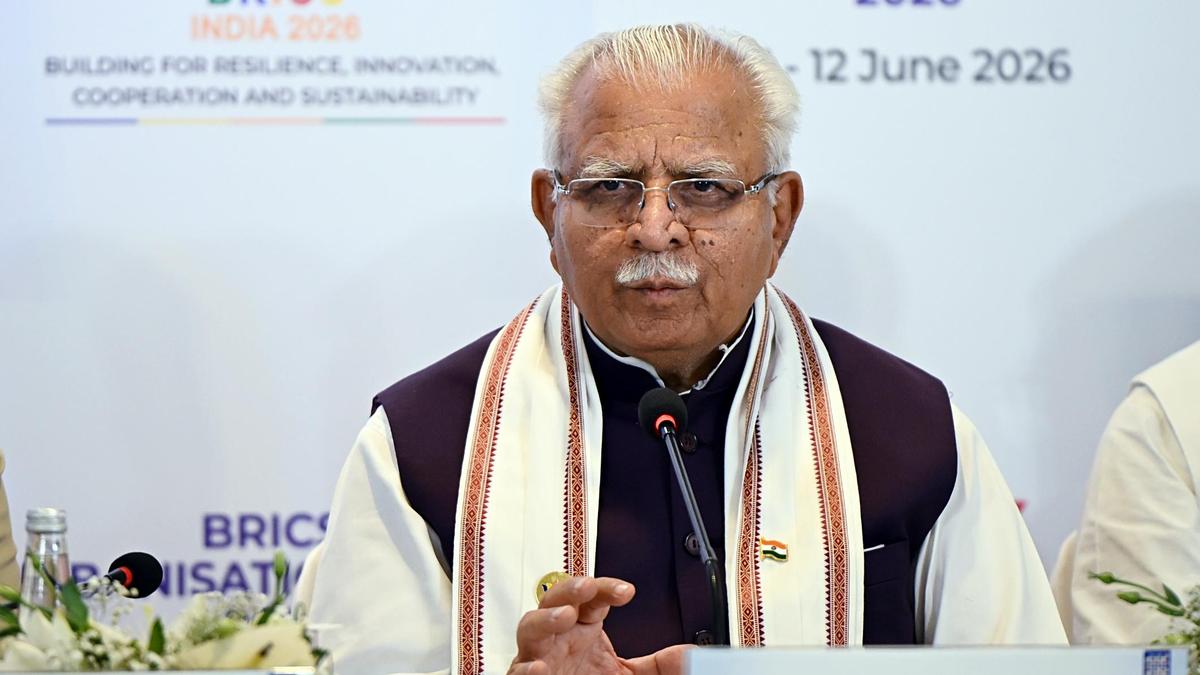
Until now, we have been repeatedly referring to it as ‘Central Vista’; from now on, please call it the ‘Kartavya Bhawan Complex’ or ‘Kartavya Bhawan Area’, says Union Housing and Urban Affairs Minister Manohar Lal
Redefining the Administrative Heart: The Shift to Kartavya Bhawan Area
Union Minister for Housing and Urban Affairs, Manohar Lal, has officially directed a shift in terminology regarding one of India's most significant urban redevelopment projects. The area previously known globally and domestically as the 'Central Vista' is now to be referred to as the 'Kartavya Bhawan Complex' or 'Kartavya Bhawan Area'. This directive signals a deliberate move by the government to rebrand the administrative core of the nation's capital, moving away from a descriptive English term toward a name imbued with cultural and philosophical significance.
The Symbolism of 'Kartavya'
The choice of the word 'Kartavya', meaning 'duty' or 'obligation', is not coincidental. It aligns with the broader vision of the current administration to shift the narrative of governance from 'rights' to 'duties'. This is already evident in the renaming of the Rajpath to 'Kartavya Path'. By extending this nomenclature to the entire area—now the Kartavya Bhawan Area—the government is attempting to institutionalize the concept of selfless service and duty within the very geography where the country's highest executive and legislative decisions are made.
Context of the Central Vista Project
To understand the weight of this change, one must look at the scale of the Central Vista Redevelopment Project. This massive undertaking involves the construction of a new Parliament building, a common Central Secretariat, and the modernization of existing infrastructure to better suit the needs of a growing nation. For years, the project was discussed under the umbrella of 'Central Vista', a term that evokes the architectural grandeur and the visual axis of New Delhi. Transitioning to 'Kartavya Bhawan' shifts the focus from the aesthetic and spatial quality of the area to the functional and moral purpose of the institutions housed within it.
A Broader Trend of Indigenization
This move fits into a wider historical and political trend of 'decolonizing' the Indian landscape. Since independence, and accelerated in recent years, there has been a concerted effort to replace colonial-era names or generic Western terms with those that reflect Indian heritage and values. While 'Central Vista' was not a colonial name per se, it was a Western descriptive term. Replacing it with 'Kartavya Bhawan' serves to further indigenize the administrative heart of India, ensuring that the nomenclature reflects the national identity and the specific ethos the government wishes to project to both citizens and the world.
Administrative and Logistical Implications
From an administrative standpoint, this change necessitates a comprehensive update across all government communications, official maps, and signage. The Housing and Urban Affairs Ministry will likely oversee the transition to ensure consistency across various departments. Beyond the physical signs, this rebranding is intended to influence public perception. By associating the area with 'duty', the government seeks to foster a psychological connection between the bureaucracy, the political leadership, and the concept of accountability to the public.
Conclusion: A Philosophical Repositioning
In summary, the transition from 'Central Vista' to 'Kartavya Bhawan Area' is more than a mere linguistic update; it is a symbolic repositioning of India's power center. By anchoring the area's identity in the concept of 'Kartavya', the administration is attempting to redefine the spirit of the nation's capital. As the physical infrastructure of the new Parliament and Secretariat comes to full fruition, the name will serve as a constant reminder of the intended purpose of these institutions: the fulfillment of duty toward the citizens of India.
Verification Required?