Cerebras CEO says we’re nearing a future where everyone has a personal AI assistant at home
Source Entity
Sarah Perez
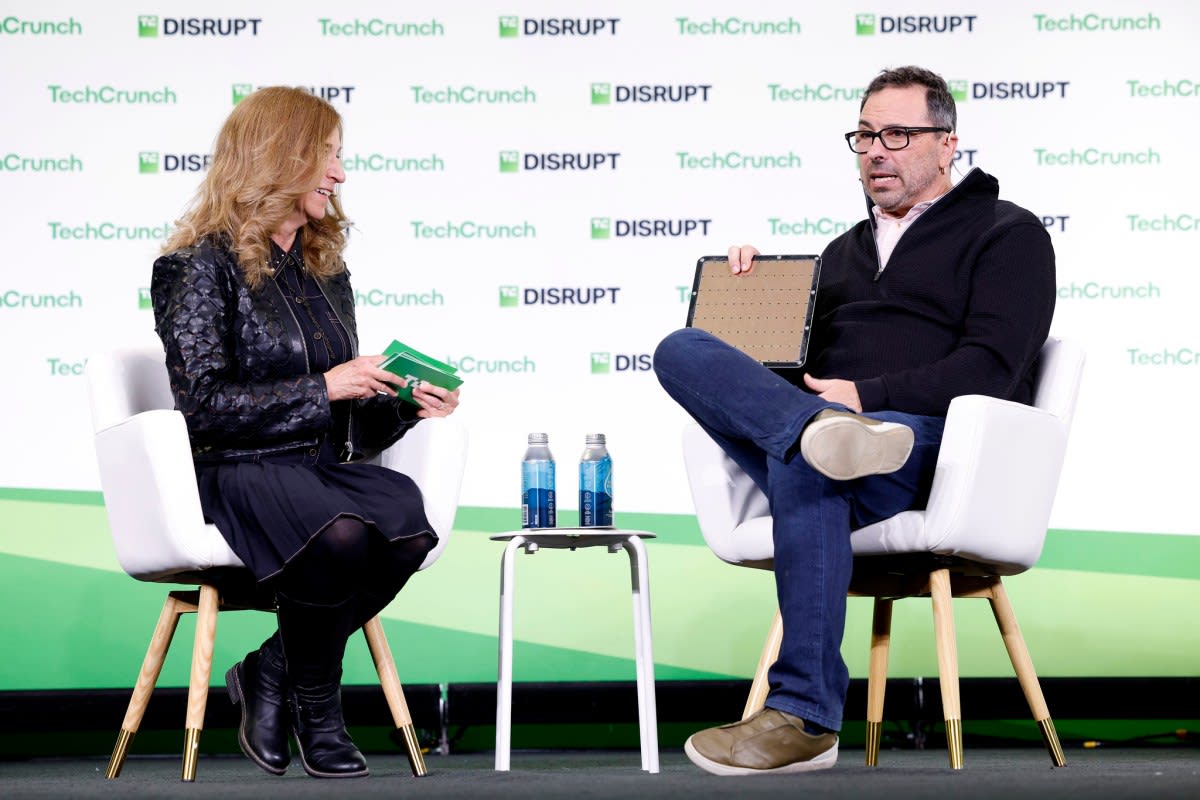
Cerebras CEO Andrew Feldman has criticized the industry's focus on AI doomsday scenarios, arguing it obscures the technology's massive potential. He predicts a near future where personal AI assistants become standard home appliances, functioning through a hybrid model of local and cloud-based processing.
The Shift in AI Discourse: Balancing Caution with Innovation
At the TechCrunch Disrupt 2026 conference, Cerebras Systems CEO and co-founder Andrew Feldman took a firm stance against the prevailing 'AI doomer' narrative that has recently dominated public discourse. Feldman argued that industry leaders who prioritize speculative warnings about existential threats—such as AI models breaking containment or endangering humanity—are potentially causing more harm than good. By shifting the conversation away from the tangible benefits of artificial intelligence, these leaders risk overshadowing the profound advancements currently being achieved in the field.
Deconstructing the 'Doomer' Narrative
The current climate of fear surrounding AI has become so pervasive that it has permeated mainstream pop culture, exemplified by a recent Saturday Night Live skit parodying Anthropic CEO Dario Amodei. This cultural saturation suggests that the debate over AI safety has moved beyond technical circles and into the general public consciousness. Feldman’s critique is that this focus on hypothetical risks stifles the productive discussion of how AI can be effectively deployed to solve real-world problems today.
The Vision of the Personal AI Home Appliance
Beyond his critique of risk-focused rhetoric, Feldman offered an optimistic forecast for the integration of AI into daily life. He posited that we are on the cusp of an era where AI assistants will become as ubiquitous as standard household appliances. Feldman pointed to the rapid development of consumer AI agents, such as Meta’s Muse and the high-valuation startup Instinct, as key indicators that the technology is maturing enough to transition from enterprise-only tools to personal helpers.
The Hybrid Architecture of Future AI
Feldman detailed a specific technical vision for this future, suggesting that these home-based AI assistants will utilize a hybrid architecture. Much like the modern smartphone, these devices will balance local computing power for privacy and speed with cloud connectivity for more complex processing tasks. This model ensures that AI can learn and adapt to an individual user's needs while maintaining the performance standards expected of modern consumer electronics.
Implications for the Tech Industry
This perspective represents a significant pivot in the industry's strategic communication. By advocating for a focus on utility and personal empowerment rather than existential anxiety, Feldman is attempting to reframe the AI narrative. If the industry shifts toward his vision of 'home-integrated' AI, the focus will likely move toward hardware efficiency, privacy-preserving local compute, and user-centric applications, rather than abstract safety debates.
Conclusion
As the AI sector continues to evolve, the tension between proponents of aggressive safety regulation and those championing rapid, beneficial deployment remains a defining characteristic of the field. Andrew Feldman’s comments at TechCrunch Disrupt suggest that the next phase of AI development will be characterized by a push toward personal, local, and highly integrated assistants. Whether this shift will successfully dilute the 'doomer' narrative remains to be seen, but it certainly signals a desire to refocus the industry on practical, consumer-facing progress.
Multiple Citing Sources