Chamoli tunnel incident toll rises to 11 as rescue operations end
Source Entity
Latest News: Todays Latest News Headlines from India & World | Hindustan Times | Hindustan Times
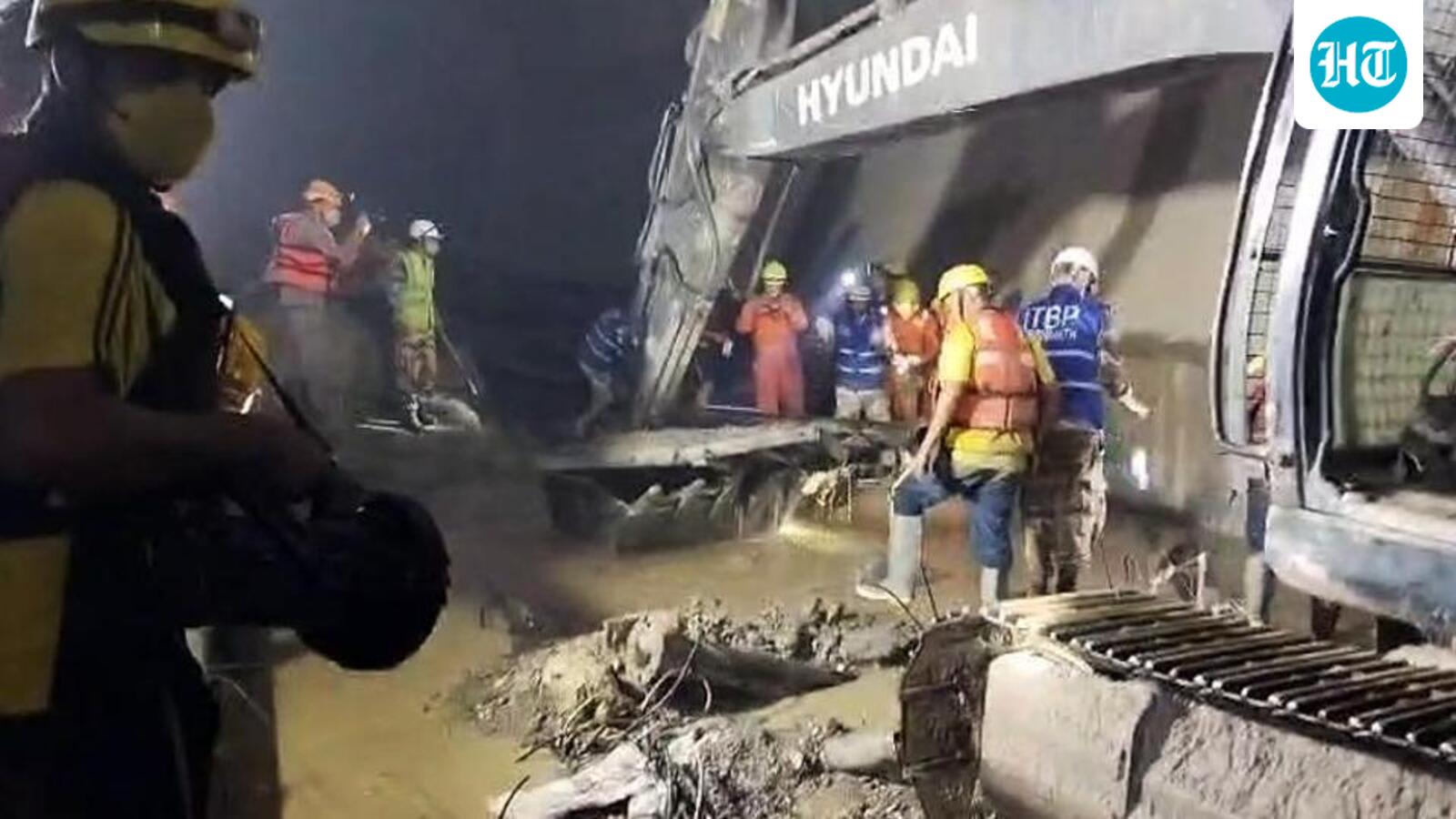
The death toll in the Chamoli tunnel incident has reached 11 following the death of a worker at AIIMS Rishikesh. Authorities have confirmed compensation packages for the victims as rescue operations conclude.
Tragedy in Chamoli: Tunnel Incident Concludes with 11 Fatalities
The catastrophic incident at the three-kilometer-long tunnel in Chamoli has officially concluded with a final death toll of 11. The latest casualty, 20-year-old Rohit Pandey from Bihar, passed away at AIIMS Rishikesh after being transferred from the Srinagar Base Hospital. This somber milestone marks the end of the immediate rescue operations, leaving behind a community and a workforce grappling with the loss of lives in a high-risk infrastructure environment.
The Mechanics of the Disaster
Preliminary assessments point to a geological failure as the primary catalyst for the tragedy. Reports indicate that the tunnel was inundated after a rain-saturated aquifer ruptured through the roof of the structure. This suggests that the geological integrity of the tunnel was compromised by intense water pressure, a significant hazard in the mountainous terrain of Uttarakhand where shifting water tables can pose severe risks to underground engineering projects.
Compensation and Administrative Response
In the wake of the tragedy, the THDC and the executing firm, Hindustan Construction Company (HCC), have announced a combined compensation of ₹11 lakh for the affected families. District Magistrate Gaurav Kumar has been instrumental in managing the aftermath, overseeing the transfer of injured personnel to advanced medical facilities and mediating discussions between the company representatives and the families of the victims to ensure that the compensation process is carried out transparently.
Broader Implications for Infrastructure Safety
This event highlights the inherent dangers of executing large-scale engineering projects in the fragile Himalayan ecosystem. The rupture of an aquifer during construction serves as a stark reminder of the unpredictable nature of subsurface geology in this region. As India continues to push for rapid infrastructure development, this incident will likely trigger a rigorous review of safety protocols and geological survey requirements for future tunnel constructions in similar terrains.
Future Trends and Safety Oversight
Looking forward, the Chamoli incident is expected to influence how regulatory bodies oversee high-stakes construction projects. There is an urgent need for enhanced real-time monitoring of aquifers and geological stability during the excavation phase. By integrating advanced seismic and hydrological sensors, authorities can better anticipate subterranean shifts, potentially preventing similar inundation events in the future. The focus must now shift from reactive compensation to proactive engineering safeguards.
Verification Required?