Dohrn bets on camera data to cut fleet insurance costs
Source Entity
Yahoo Finance
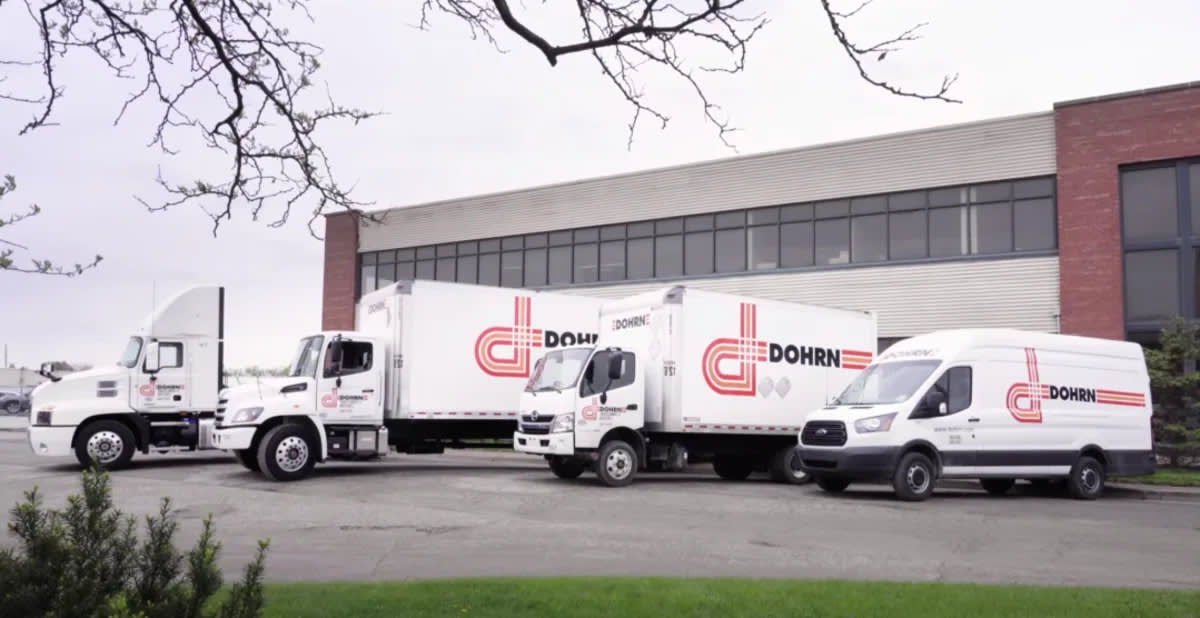
Dohrn Transfer Company has transformed its fleet operations by integrating Samsara's camera and tracking technology. This shift from simple ELD compliance to advanced data analytics has significantly improved safety outcomes and insurance cost management.
The Strategic Pivot: From Compliance to Operational Intelligence
For many logistics firms, the introduction of Electronic Logging Device (ELD) mandates served as a disruptive regulatory hurdle. However, for Dohrn Transfer Company, the requirement acted as a catalyst for a profound operational overhaul. Initially engaging with Samsara in 2016 strictly to meet federal compliance standards, the carrier quickly recognized that the infrastructure required for logging hours-of-service could be leveraged for much deeper fleet visibility. This transition marks a shift in the trucking industry where compliance is no longer the endpoint, but rather the foundation for high-level data analytics.
The Impact of Visual Evidence on Risk Management
One of the most significant operational shifts for Dohrn was the transition from relying on subjective accounts to utilizing objective visual data. Historically, the process of reconstructing accidents relied heavily on memory or limited, inconsistent photographs taken by drivers at the scene. The implementation of outward-facing cameras effectively eliminated this ambiguity. By providing a live, verifiable record of incidents, the company can now manage insurance claims with unprecedented accuracy, shielding the firm from unfounded liability and streamlining the adjudication process.
Real-Time Visibility and Fleet Efficiency
Beyond safety, the adoption of trailer trackers provided Dohrn with its first comprehensive, live picture of its fleet distribution. In an industry where assets are frequently "spotted" or dropped at various locations, the ability to account for every unit in real-time is a massive efficiency gain. This level of granularity allows the company to optimize asset utilization, reduce dwell times, and ensure that the fleet is distributed according to actual demand rather than historical assumptions.
Evolving RFP Conversations and Market Expectations
As Dohrn has matured its technological capabilities, its approach to client relations has evolved in tandem. During Request for Proposal (RFP) conversations, safety metrics now hold a position of prominence alongside pricing. Potential customers are increasingly evaluating carriers not just on their ability to move goods, but on their technological maturity and safety record. By integrating advanced telematics, Dohrn has successfully repositioned itself as a premium partner that prioritizes risk mitigation.
Sustainability and the Future of Logistics
Finally, the integration of these technologies has allowed Dohrn to align its operations with broader sustainability goals. By optimizing routes through better tracking and reducing the frequency and severity of accidents through camera-assisted monitoring, the company is inherently operating more efficiently. As the industry faces increasing pressure to reduce carbon footprints, the data-driven insights provided by platforms like Samsara will be essential for carriers looking to maintain a competitive advantage in an increasingly transparent and safety-conscious market.