Markets fall in early trade amid rising crude oil prices
Source Entity
India Latest News: Top National Headlines Today & Breaking News | The Hindu
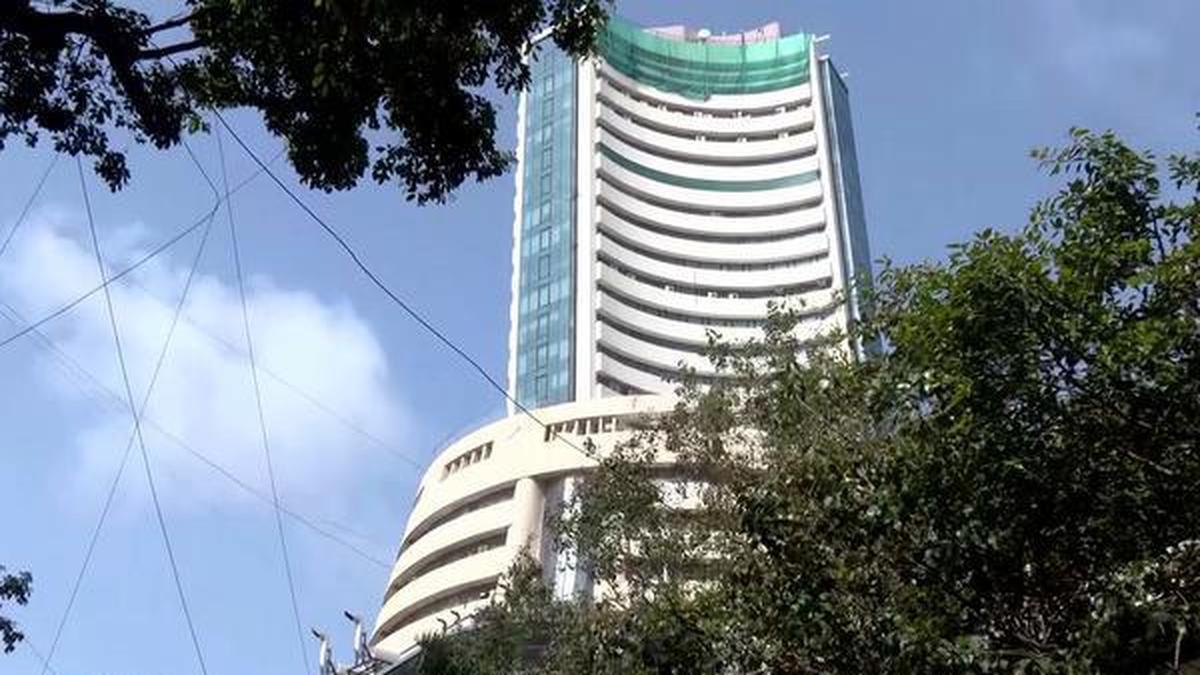
Indian equity markets Sensex and Nifty opened lower on August 19, 2026, pressured by rising crude oil prices. The decline stems from geopolitical instability following the expiration of a U.S.-Iran ceasefire.
Market Volatility Amid Geopolitical Strain
On Wednesday, August 19, 2026, Indian benchmark indices witnessed a cautious start to the trading session. The BSE Sensex retreated by 166.19 points to settle at 77,070.93, while the NSE Nifty saw a decline of 59 points, hovering at 24,096.75. This downward trajectory reflects a broader wave of investor anxiety triggered by external macroeconomic pressures, specifically the volatility in global energy markets.
The Impact of the U.S.-Iran Ceasefire Expiration
The primary catalyst for the current market sentiment is the expiration of the 60-day U.S.-Iran ceasefire. With no meaningful diplomatic breakthroughs achieved during this window, the specter of renewed conflict has prompted significant apprehension regarding global energy security. As crude oil prices continue to climb for the fourth consecutive day, the market is pricing in the risk of a prolonged disruption to supply chains, which historically exerts inflationary pressure on import-dependent economies like India.
Sectoral Performance and Market Laggards
Within the 30-share Sensex index, the selling pressure was particularly evident in capital-intensive and cyclical sectors. Major laggards included Tata Steel, Larsen & Toubro, Bajaj Finance, Bharat Electronics, Power Grid, and Mahindra & Mahindra. These companies are often sensitive to fluctuating input costs and broader economic uncertainty, making them the first to face liquidation when geopolitical risks rise.
Resilience Amidst the Declines
Despite the negative trend, certain sectors demonstrated resilience. Investors sought refuge in defensive and technology-oriented stocks, with HCL Tech, Infosys, Eternal, Sun Pharma, and Kotak Mahindra Bank emerging as the day's early winners. This divergence highlights a bifurcated market strategy, where traders are pivoting away from commodities toward service-oriented sectors to hedge against the volatility introduced by rising oil prices.
Broader Economic Implications and Future Outlook
The current state of the Indian equity market is intrinsically linked to the stability of the Middle East. Should crude oil prices remain elevated, the resulting inflationary pressure could complicate domestic monetary policy and squeeze corporate margins. Moving forward, market participants will be closely monitoring diplomatic developments regarding the U.S.-Iran deadlock. A failure to reach a new agreement could lead to sustained market consolidation, as investors remain wary of the long-term impact on global shipping routes and energy costs.
Verification Required?