Jharkhand govt cancels 22 exams based on probe findings as protests continue
Source Entity
Latest News: Todays Latest News Headlines from India & World | Hindustan Times | Hindustan Times
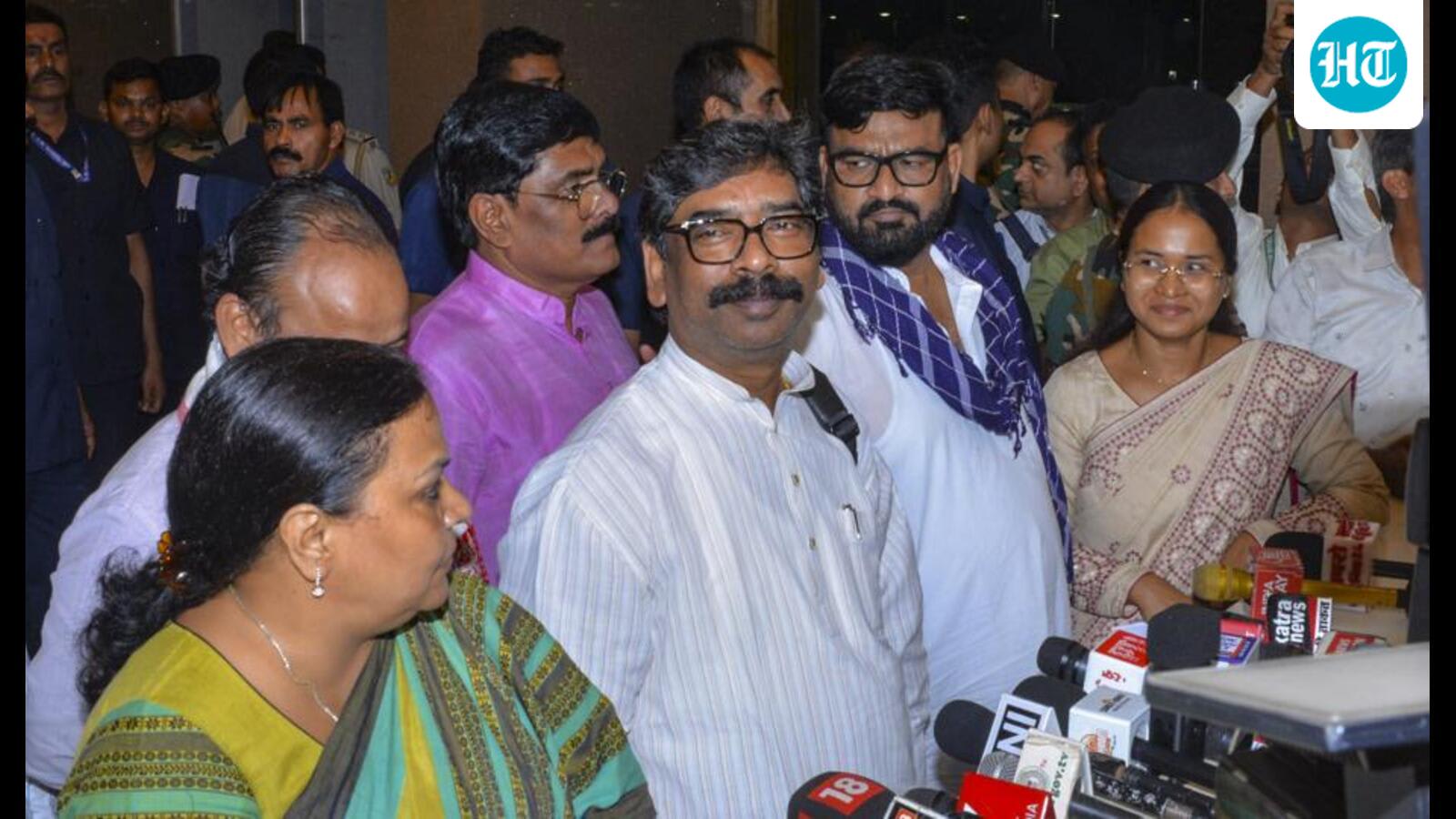
Government recruitment systems in Jharkhand and Uttar Pradesh are facing severe backlash due to alleged irregularities and administrative delays. Protests are intensifying as authorities cancel exams in Jharkhand and candidates in UP demand the release of long-pending merit lists.
Recruitment Crisis: Systemic Failures in Jharkhand and Uttar Pradesh
The landscape of government recruitment in India is currently witnessing a period of intense volatility, characterized by widespread student unrest and administrative upheaval. In Jharkhand, the state government has taken the drastic step of cancelling 22 recruitment examinations following a damning Crime Investigation Department (CID) probe into the Jharkhand Public Service Commission (JPSC) and the Jharkhand Staff Selection Commission (JSSC). This decision, announced by Chief Minister Hemant Soren, marks a significant admission of systemic failure, impacting thousands of aspirants and even threatening the employment status of over 2,600 individuals already in service.
The Anatomy of the Jharkhand Turmoil
The situation in Jharkhand has escalated into a prolonged agitation, now spanning over 22 days. The protests, which recently culminated in a 'Tiranga Yatra' from Jaipal Singh Munda Stadium to Albert Ekka Chowk, highlight the deep-seated frustration among the youth. The ongoing hunger strike by activist Devendra Nath Mahto—who has reportedly been restricted from joining public demonstrations—serves as a poignant symbol of the movement's intensity. By bringing 17 additional examinations conducted since 2014 under the scope of investigation, the government is attempting to audit a decade of recruitment, a move that underscores the depth of the alleged irregularities.
Administrative Stagnation in Uttar Pradesh
Simultaneously, the frustration is mirrored in Uttar Pradesh, where candidates for the Village Panchayat Officer (VPO) examination are mobilizing against the Uttar Pradesh Subordinate Service Selection Commission (UPSSSC). The Sanyukt Pratiyogi Chhatra Hunkar Manch, a collective representing these aspirants, has threatened an indefinite protest starting August 17, 2026. The primary grievance is a three-month delay in the publication of the final merit list, a delay that candidates argue is causing severe personal and professional distress. This reflects a broader pattern of administrative bottlenecking that continues to plague state-level recruitment boards.
Broader Implications for Governance
The simultaneous nature of these crises points to a critical failure in the transparency and efficiency of state recruitment bodies. When recruitment processes are marred by allegations of corruption and procedural delays, the social contract between the state and its youth is severely damaged. The cancellation of exams in Jharkhand is a double-edged sword; while it acknowledges the need for reform, it also leaves thousands of aspirants in a state of professional limbo, potentially causing significant economic and psychological strain.
Historical Context and Future Trends
Historically, competitive examinations in India have been viewed as the primary vehicle for social mobility. When these systems are perceived as compromised, the resulting loss of faith in public institutions can have long-term political and social consequences. Moving forward, the trend suggests that unless state governments implement rigorous, digitized, and transparent recruitment frameworks, the cycle of protests and subsequent exam cancellations is likely to continue. The pressure on commissions like the UPSSSC and JSSC to expedite timelines while ensuring integrity will remain a defining challenge for state administrations in the coming years.
Conclusion
The events in Ranchi and Prayagraj serve as a stark reminder of the urgent need for structural reform in India's government recruitment sector. Whether through the audit of historical data in Jharkhand or the demand for timely results in Uttar Pradesh, the message from the student body is clear: they are no longer willing to accept administrative opacity. The path forward requires a delicate balance between investigating past wrongs and ensuring that future employment processes are resilient, fair, and above all, timely.
Multiple Citing Sources
Verification Required?