Why the Supreme Court upheld hanging as a constitutional mode of execution
Source Entity
Amaal Sheikh
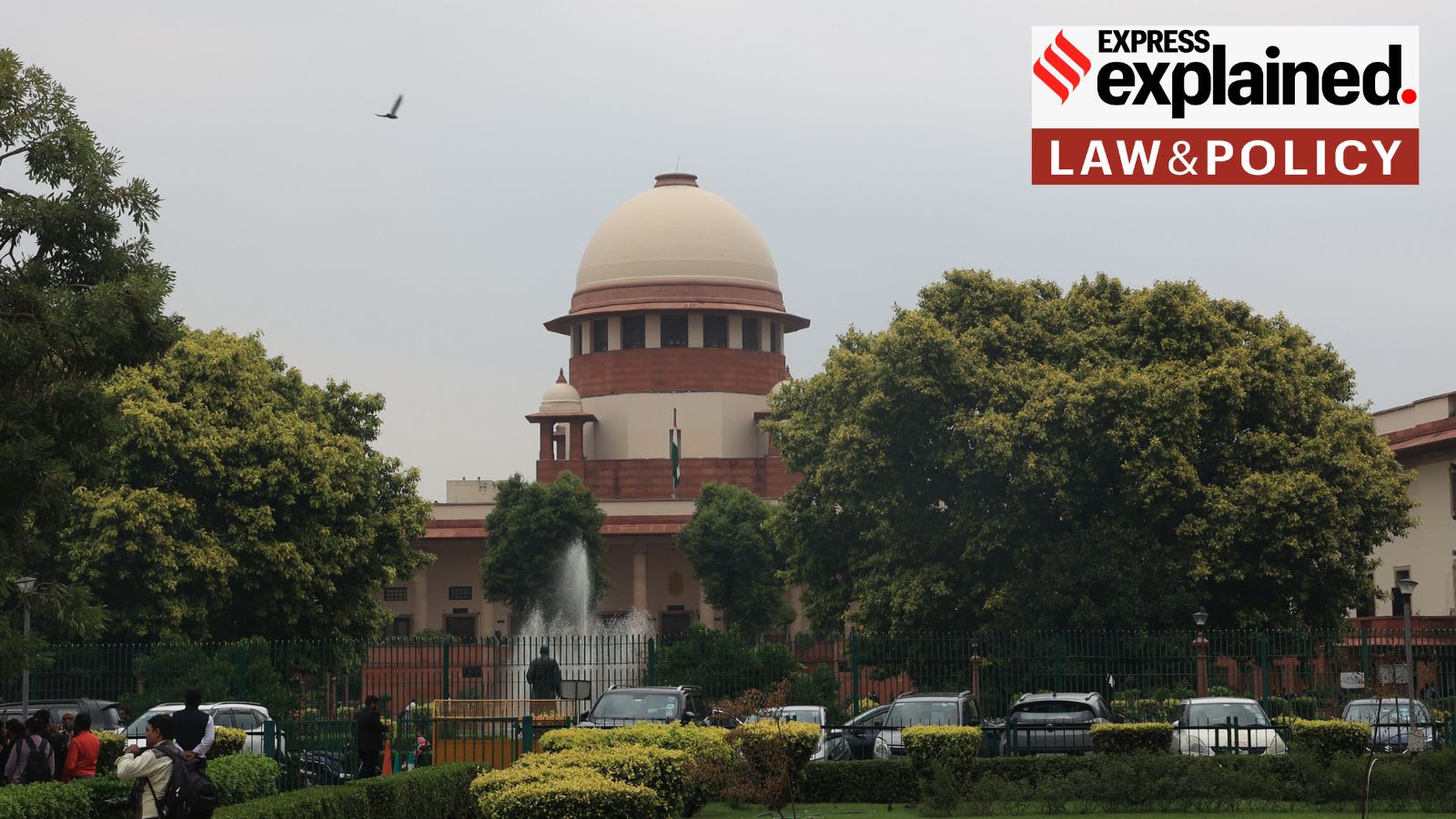
The Supreme Court of India has upheld the constitutionality of hanging as a method of execution, citing existing legal precedents and legislative choices. The court emphasized that while the current plea was dismissed, the door remains open for future scientific and constitutional scrutiny.
The Constitutionality of Hanging in Modern India
On Tuesday, August 18, the Supreme Court of India issued a significant ruling concerning the method of capital punishment in the nation. A bench presided over by Justices Vikram Nath and Sandeep Mehta upheld the constitutional validity of hanging as a legitimate mode of execution. This decision came in response to a Public Interest Litigation (PIL) that challenged the practice, arguing that hanging is scientifically unreliable and inherently violates the fundamental right to a dignified death as protected under Article 21 of the Indian Constitution.
Legal Precedents and Legislative Intent
The judiciary’s decision was primarily anchored in two critical pillars: judicial precedent and legislative sovereignty. The court pointed to the 1983 landmark judgment in Deena vs Union of India, where a three-judge bench previously affirmed that hanging does not contravene constitutional mandates. Furthermore, the court highlighted that the Parliament of India, in its recent enactment of the Bharatiya Nagarik Suraksha Sanhita (BNSS), consciously chose to retain hanging as the mode of execution, reinforcing the legislative intent behind the current legal framework.
The Tension Between Tradition and Dignity
At the heart of the debate is the tension between a colonial-era practice and the evolving standards of human dignity. Critics of the current system argue that the method, which originated during British colonial rule, fails to meet contemporary expectations of a 'dignified' end. The petitioners sought to challenge the method based on modern scientific understanding, questioning whether a process devised in a different historical epoch remains compatible with the humanitarian safeguards embedded in the modern Indian Constitution.
The Organic Nature of Constitutional Law
Despite the dismissal of the current petition, the Supreme Court provided a crucial clarification regarding the finality of its stance. The bench explicitly stated that this dismissal should not be interpreted as a permanent foreclosure of future legal challenges. By acknowledging that constitutional interpretation is an 'organic' process, the court suggested that it remains open to evaluating the practice in the future should new scientific evidence or shifts in constitutional doctrine emerge.
Future Implications and Scientific Scrutiny
The court’s emphasis on the need for the legal system to remain 'responsive' to advances in scientific knowledge suggests a pathway for future litigation. As global standards regarding capital punishment continue to evolve, the Indian judiciary has signaled that it is willing to reassess the intersection of technology, medicine, and human rights. While the current challenge has been rejected based on existing legal hurdles, the judiciary has effectively left the door ajar for a more evidence-based debate on whether alternative, more 'dignified' methods of execution might one day be considered by the state.
Conclusion
Ultimately, the Supreme Court’s ruling serves as a reaffirmation of current legislative and judicial norms while simultaneously acknowledging the fluidity of constitutional rights. By balancing the stability of the law against the potential for future scientific enlightenment, the court has maintained the status quo while validating the principle that constitutional interpretation must keep pace with the progress of society. The debate over the method of execution is therefore far from resolved, setting the stage for ongoing discourse regarding the intersection of justice, morality, and science in India.