Power regulator allows renewable energy projects to retain grid access by paying compensation
Source Entity
Pratyush Deep
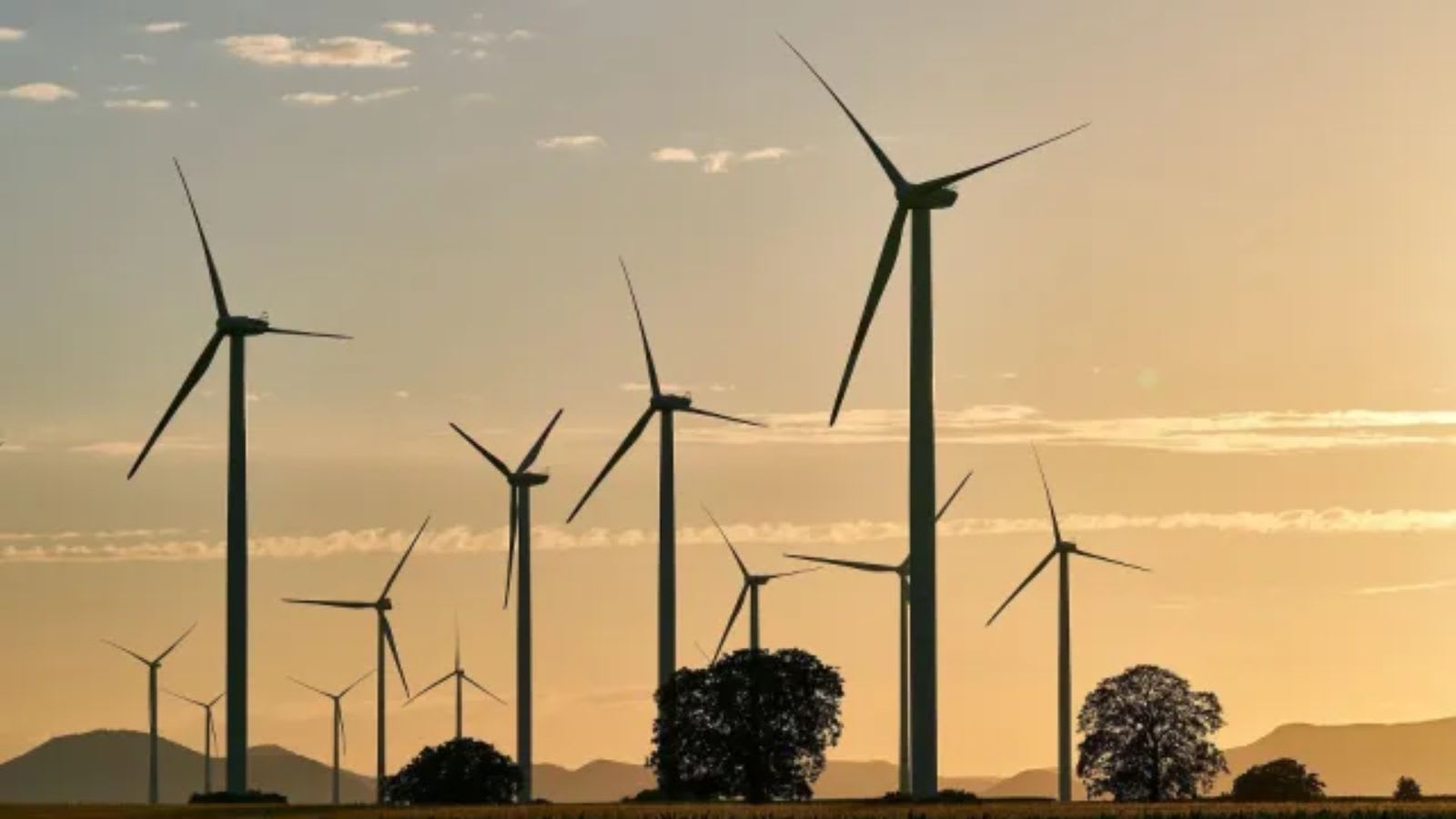
The CERC has introduced a compensation-based mechanism allowing renewable energy projects to retain grid connectivity despite missing implementation deadlines. This move addresses the 5.3 GW of capacity at risk of revocation while highlighting broader systemic challenges like storage limitations and grid integration.
Regulatory Shift in India's Renewable Energy Sector
The Central Electricity Regulatory Commission (CERC) has implemented a pivotal policy adjustment aimed at stabilizing the renewable energy landscape in India. By introducing a compensation-based mechanism, the regulator is providing a critical lifeline to developers who have struggled to meet stringent project deadlines. Previously, failure to submit land documents, secure financing, or achieve commercial operationalisation resulted in the automatic revocation of transmission access, a harsh penalty that threatened the viability of significant infrastructure investments.
Mitigating Risk for 5.3 GW of Capacity
Data from the Central Transmission Utility of India Ltd (CTUIL) indicates that approximately 5.3 gigawatts (GW) of renewable capacity was slated for connectivity revocation by October due to operational delays. This new framework effectively prevents the immediate loss of these projects, allowing developers to pay compensation to retain their grid access. This shift signifies a move toward more flexible regulatory oversight that prioritizes long-term capacity building over rigid, punitive enforcement.
The Challenge of Grid Connectivity and Curtailment
Despite this regulatory relief, the broader issue of grid integration remains a pressing concern for India’s power sector. Reports indicate that the nation is currently grappling with the curtailment of renewable generation during peak daylight hours. Because renewable energy is inherently more dispersed than traditional, centralized thermal power, the existing grid infrastructure faces significant strain in managing the volatility of solar and wind inputs.
The Infrastructure and Storage Bottleneck
Perhaps the most daunting obstacle is the lack of adequate storage capacity. The current inability to store excess solar power generated during the day means that significant amounts of clean energy are essentially lost. While discussions have surfaced regarding the potential to 'mothball' inefficient coal-based plants to free up grid capacity, the reality of high power demand during non-solar hours makes this transition difficult to execute without compromising grid stability.
Future Trends and Strategic Outlook
The intersection of these regulatory changes and physical infrastructure limitations suggests that India is entering a consolidation phase. While the CERC’s compensation mechanism provides breathing room for developers, the long-term sustainability of renewable growth will hinge on the rapid deployment of battery storage systems and pumped hydro projects. Without these technological advancements, the sector may face a forced pause in capacity additions to prevent further waste of generated power.
Conclusion
Ultimately, the CERC's decision is a necessary, if temporary, measure to protect existing investments from the fallout of project delays. However, it serves as a stark reminder that regulatory flexibility alone cannot solve the structural challenges of the energy transition. India must now pivot toward integrating storage solutions to ensure that the renewable capacity it works so hard to retain is effectively utilized to meet the nation's rising energy demands.