Supply Chain Fraud: $111M Theft Shows New Sophistication
Source Entity
Yahoo Finance
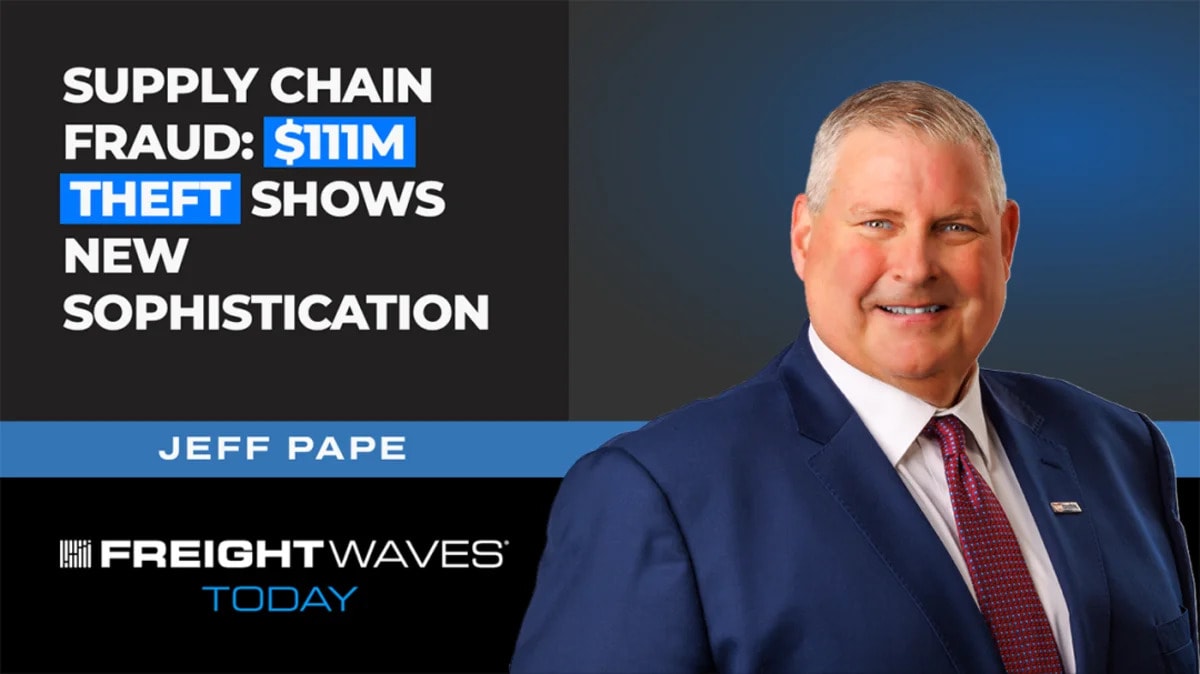
A sophisticated $111 million semiconductor theft has exposed critical vulnerabilities in global supply chains. Experts highlight the emergence of complex freight crimes and the urgent need for AI-driven security measures.
The $111 Million Wake-Up Call: Supply Chain Vulnerability
The recent $111 million theft of high-value semiconductors marks a disturbing evolution in cargo crime, shifting from opportunistic theft to highly coordinated, sophisticated operations. By employing "bump and run" tactics and sophisticated rerouting instructions, criminal syndicates have demonstrated an ability to manipulate the logistics chain from the inside. This incident, where drivers were manipulated into diverting shipments to unauthorized facilities, highlights a systemic trust deficit that bad actors are now actively weaponizing.
The Mechanics of Modern Freight Crime
Criminal networks are increasingly targeting high-value electronics, specifically semiconductors, which serve as the backbone of the modern digital economy. The specific strategy of separating escort vehicles and using fraudulent routing instructions indicates a high level of surveillance and planning. This is no longer merely about physical hijacking; it is about psychological and operational subversion, where the driver—often unaware of the illicit nature of their instructions—becomes an unwitting accomplice in a massive financial crime.
The Erosion of Trusted Logistics
As noted by Jeff Pape of U.S. Bank, the foundation of the freight industry has long been built on a complex web of carrier relationships and mutual trust. When that trust is exploited, the entire supply chain experiences a "contagion effect," leading to higher insurance premiums, increased operational costs, and delays in delivery. The reliance on verbal or digital instructions that bypass standard verification protocols has created a massive loophole that organized crime is currently exploiting with surgical precision.
The Role of Technology and AI in Defense
To counter these threats, the industry is looking toward Artificial Intelligence to provide real-time, immutable verification of transit routes and driver identities. AI can flag anomalous routing requests, monitor real-time GPS deviations, and authenticate digital correspondence between shippers and carriers instantly. By moving away from legacy communication systems that are easily spoofed, the industry can create a more resilient, technology-backed security framework.
Economic Implications and Future Trends
The economic impact of such losses extends far beyond the immediate value of the stolen goods. With global supply chains already strained by economic shifts and geopolitical tensions, the loss of critical components like semiconductors can halt manufacturing lines and exacerbate inflation. As we look forward, the trend suggests that cargo theft will continue to mirror the sophistication of the tech sector it targets, forcing logistics companies to treat supply chain security as a top-tier cybersecurity concern.
Conclusion: Strengthening the Chain
The $111 million semiconductor heist serves as a critical indicator that the status quo in freight security is insufficient. Moving forward, the integration of advanced authentication tools and a rigorous re-evaluation of driver-communication protocols will be essential. Protecting the supply chain requires a proactive stance that prioritizes visibility and digital verification to ensure that the global movement of goods remains secure against increasingly clever adversaries.