Caste Census 2027: Full list of questions to be asked in the second phase of Census
Source Entity
India Latest News: Top National Headlines Today & Breaking News | The Hindu
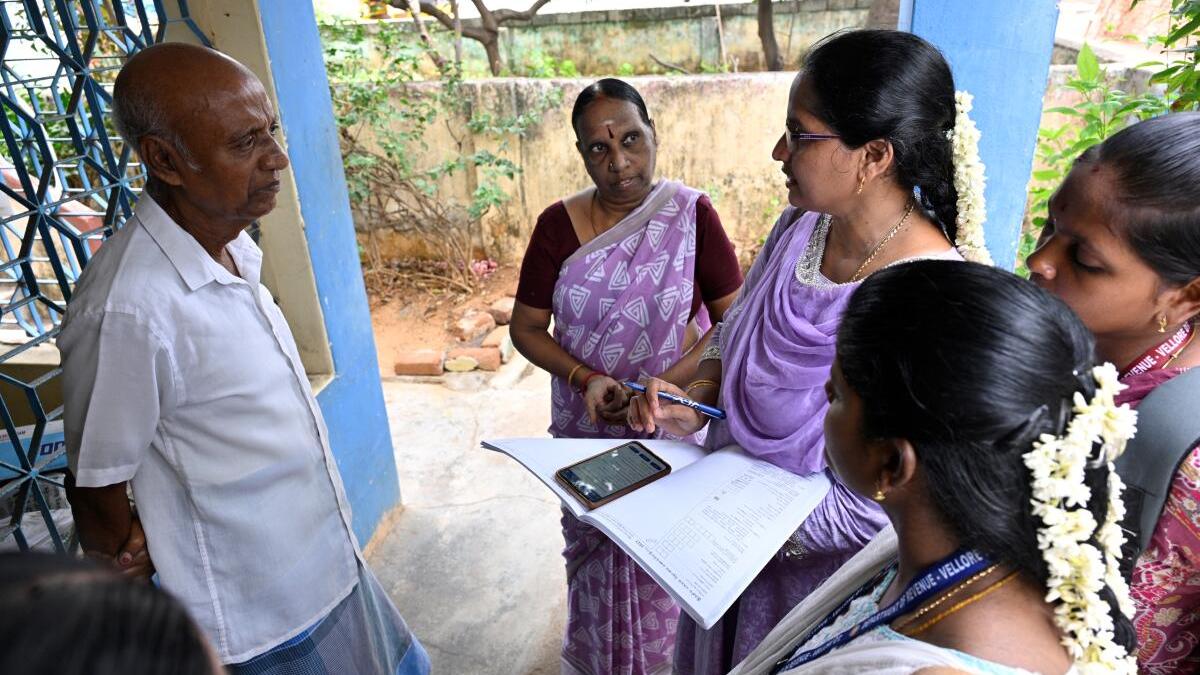
India's 2027 Census will introduce a digital-first approach and the first-ever comprehensive caste enumeration across all communities. The exercise has triggered political debate and criticism from disability rights groups regarding the adequacy of its classification frameworks.
The 2027 Census: A Digital Shift in Indian Enumeration
The 16th Population Census of India, scheduled for 2027, marks a pivotal transformation in the nation's administrative history. As the first digital Census since Independence, it represents a significant technological leap intended to streamline data collection and processing. While the Housing Listing Operations (HLO) phase nears its conclusion across most states, the second phase—Population Enumeration (PE)—is set to commence in February 2027, bringing with it a historic mandate to record caste identities across all communities, moving beyond the traditional focus on Scheduled Castes (SCs) and Scheduled Tribes (STs).
The Political and Social Significance of Caste Enumeration
The decision to include caste enumeration, approved by the Cabinet Committee in April 2025, has become a flashpoint in Indian politics. Historically, caste data has been limited to SC/ST categories, and the expansion to all communities is viewed as a major policy shift. Critics, notably from the Congress party, have questioned the intent behind the questionnaire, alleging a "deeper nefarious purpose." This reflects the intense scrutiny surrounding how such data might influence future reservation policies and social welfare resource allocation.
Technical Challenges and Historical Precedents
Expert discourse, such as that provided by Yogendra Yadav, highlights the complexities inherent in caste-based data collection. Previous attempts, such as the 2011 exercise, resulted in an unmanageable 4.7 million distinct caste names due to an open-ended questioning format. This technical challenge poses a risk of data fragmentation. While some suggest a drop-down menu approach to standardize entries, others argue that the fundamental issue remains the social and political incentives that drive individuals to identify with specific caste categories, as evidenced by shifting self-reporting patterns in historical NSS-PLFS statistics.
Advocacy and the Rights of Persons with Disabilities
Beyond caste, the Census framework faces criticism regarding its inclusivity. Disability rights groups, including the National Platform for the Rights of the Disabled (NPRD), have flagged significant gaps in the proposed nine-category classification. Activists argue that this framework fails to encompass the 21 "specified disabilities" recognized under the Rights of Persons with Disabilities (RPwD) Act, 2016. By limiting categories to conditions like seeing, hearing, and mobility, the Census may inadvertently exclude populations entitled to specific state support, highlighting a potential mismatch between administrative design and legal mandates.
Future Implications and Data Integrity
The success of the 2027 Census will depend on the government's ability to balance technological efficiency with granular accuracy. As the HLO phase wraps up—with notable exceptions in states like West Bengal, Assam, and Manipur—the focus shifts to the PE phase. The integrity of the data collected will be scrutinized by policymakers and social scientists alike, as it will serve as the baseline for India’s social development goals for the coming decade. Whether this census can reconcile the competing demands of political representation, administrative simplicity, and the rights of marginalized groups remains a defining question for India’s bureaucratic evolution.
Verification Required?