'He would get corruption done': Maliwal targets Kejriwal after Satyendar Jain's arrest
Source Entity
AADRITA HALDER
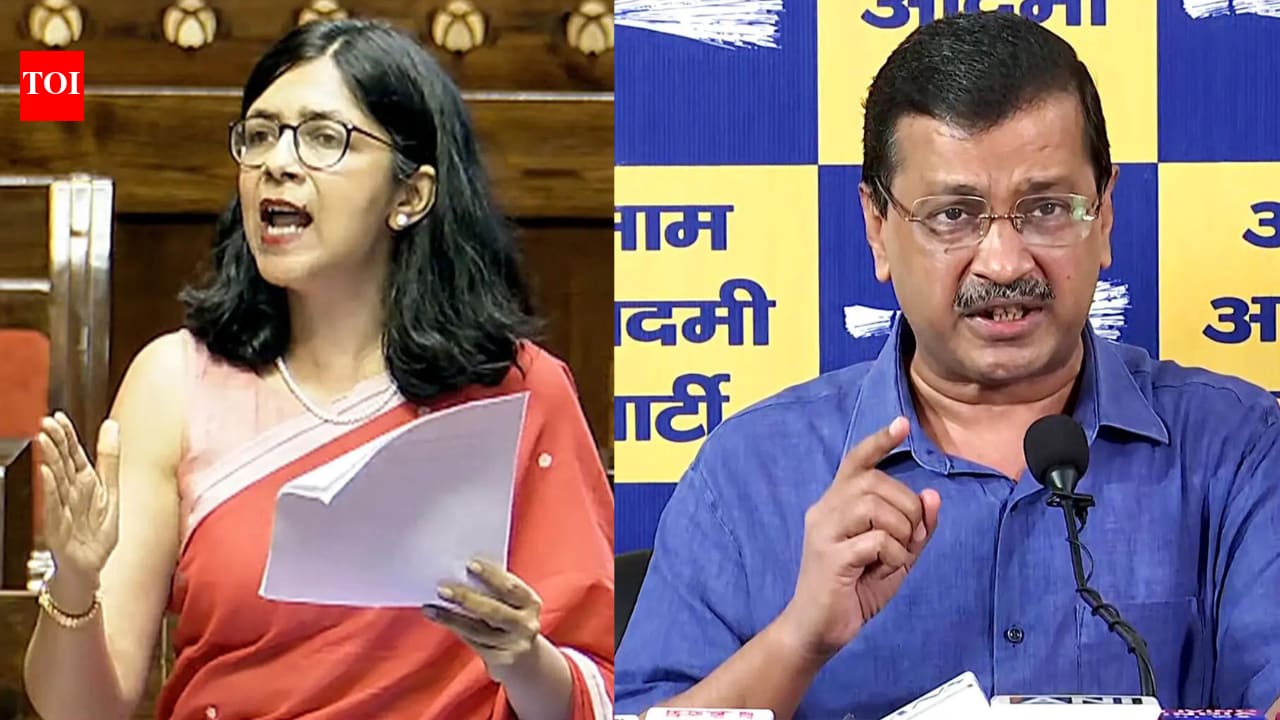
AAP leader Satyendar Jain has been arrested in a corruption case, drawing sharp criticism from Swati Maliwal and accusations of political victimization from the party. The arrest has sparked a intense debate regarding political motivations and the timing of legal actions against opposition leaders.
The Political Fallout of Satyendar Jain's Arrest
A Developing Controversy
The recent arrest of Aam Aadmi Party (AAP) leader Satyendar Jain on corruption charges has triggered a significant political firestorm. The arrest has not only drawn scrutiny from opposition voices but has also created internal friction, most notably highlighted by Swati Maliwal’s pointed criticism of Delhi Chief Minister Arvind Kejriwal. Maliwal’s assertion that Kejriwal enabled a culture of corruption serves as a sharp indictment of the party's leadership, suggesting that the legal troubles facing Jain are symptomatic of deeper governance issues within the AAP administration.
Claims of Political Motivation
In response to the allegations and his subsequent arrest, Satyendar Jain has maintained a stance of defiance, characterizing the legal proceedings as politically motivated. By invoking the proximity of the Punjab assembly elections as a primary driver for the timing of his arrest, Jain is attempting to frame his legal predicament as a strategic maneuver by political rivals to undermine AAP’s electoral prospects. This narrative of victimhood is a common feature in Indian political discourse, where legal challenges are frequently contextualized through the lens of electoral timing.
Legal Defense and Discrepancies
Central to Jain's legal defense is the claim that he was already incarcerated at the time certain tenders were floated, suggesting a lack of involvement in the specific administrative actions under investigation. By presenting this timeline to the court, Jain is aiming to decouple his personal responsibility from the alleged corruption. This defense highlights the complexities of administrative accountability and the burden of proof required in high-profile corruption cases involving government officials.
Broader Implications for AAP
The friction between party leaders like Maliwal and the defense strategy adopted by Jain signals a critical juncture for the Aam Aadmi Party. As a party that rose to prominence on an anti-corruption platform, these developments pose a severe threat to its public image. The internal discord and the external legal pressures suggest that the party is struggling to maintain its narrative integrity while facing sustained scrutiny from both political opponents and internal critics.
Future Trends and Political Stability
Looking ahead, the trajectory of this case will likely influence the broader political landscape in Delhi and beyond. If the judicial process confirms the allegations of corruption, it may lead to a significant erosion of voter trust in AAP. Conversely, if Jain successfully clears his name, the party may leverage the narrative of 'political vendetta' to galvanize its base. Regardless of the outcome, the case underscores the growing intersection of judicial intervention and political campaigning in India, a trend that is likely to intensify as future election cycles approach.