Nirmala Sitharaman's Gen Z outreach: Public sector banks need to be more ‘cool’
Source Entity
Latest News: Todays Latest News Headlines from India & World | Hindustan Times | Hindustan Times
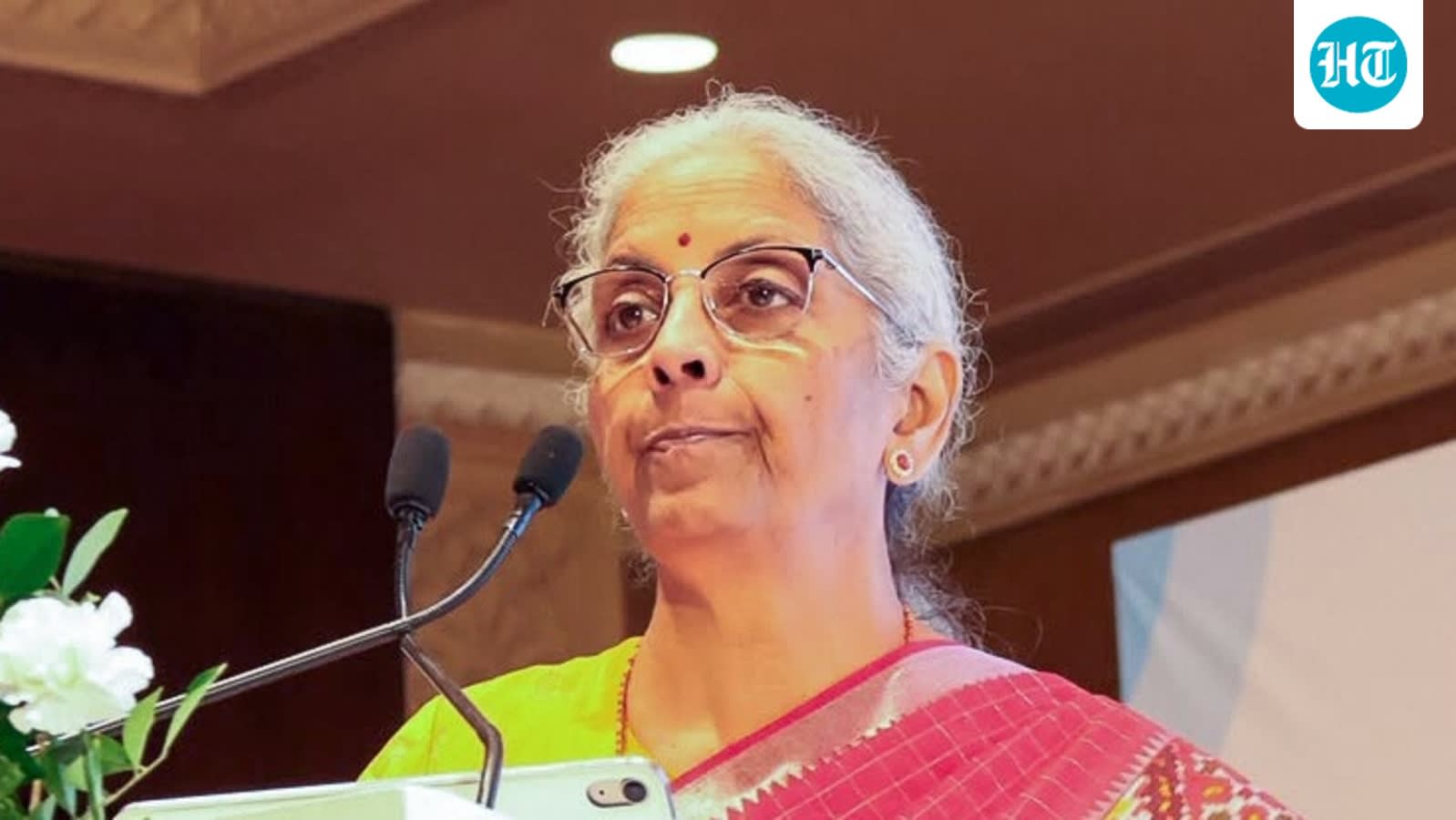
The Indian government is launching major outreach initiatives targeting Gen Z, including a 'Banking for Youth' campaign for public sector banks and a 'One Day, One University' program for ministers. These efforts aim to modernize institutional appeal and improve direct dialogue with students amid rising socio-political concerns.
Bridging the Generation Gap: Government Outreach to Gen Z
A Strategic Pivot in Public Engagement
The Indian government is actively re-evaluating its engagement strategy with the younger generation, specifically Gen Z. This shift is characterized by two distinct but complementary initiatives: Finance Minister Nirmala Sitharaman’s directive for public sector banks (PSBs) to become more "cool" and the Cabinet’s "One Day, One University" program. These efforts signal a coordinated attempt to shed perceptions of institutional rigidity and foster a more dynamic relationship with India’s youth demographic.
Rebranding Public Banking
Finance Minister Nirmala Sitharaman’s call for PSBs to launch a month-long ‘Banking for Youth’ campaign, beginning October 2, is a direct response to market feedback. The Finance Minister noted that young consumers often gravitate toward private banking institutions, perceiving them as more aligned with their lifestyles. By targeting individuals aged 16 and above, the government aims to capture the youth at a critical life stage—the transition from education to employment—moving beyond simple account opening to fostering long-term financial habits and brand loyalty.
The 'Cool' Factor in Financial Services
Sitharaman’s emphasis on the need for PSBs to be "cool" is more than a rhetorical flourish; it is an economic imperative. In an era of fintech disruption, public sector institutions face the challenge of modernizing their user interfaces and customer service standards. By tasking the Indian Banks’ Association (IBA) with coordinating this campaign, the government is signaling that public institutions must keep pace with the technological and experiential expectations of the digital-native generation.
Direct Dialogue: The 'One Day, One University' Initiative
Parallel to the banking push, the Union government is rolling out the "One Day, One University" program, where Union ministers will visit universities daily. This initiative is designed to create a direct feedback loop between the state and the student body. By facilitating open discussions on government schemes and national issues, the administration seeks to humanize the bureaucratic process and provide a platform for students to voice their perspectives directly to policymakers.
Contextualizing Political Urgency
The timing of these initiatives is significant. The "One Day, One University" plan comes as the government faces pressure following student protests regarding the NEET paper leak issue. By institutionalizing direct interaction, the government is attempting to regain control of the narrative and demonstrate responsiveness to student grievances. This proactive outreach is a critical tool for managing public sentiment and addressing concerns before they escalate into wider social friction.
Future Trends and Implications
Looking ahead, these initiatives represent a broader trend of "youth-centric" governance in India. As the demographic dividend continues to define the nation's political and economic landscape, the ability of state institutions to adapt to the language, values, and technological expectations of Gen Z will be a key determinant of long-term success. If these programs successfully increase trust and institutional participation, they may set a new standard for how the Indian state interacts with its youngest voters and consumers.
Verification Required?