‘Chapo Isidro’ Arrest: Charred Vehicles Left Scattered Across Mexico’s Sinaloa
Source Entity
Latest News: Todays Latest News Headlines from India & World | Hindustan Times
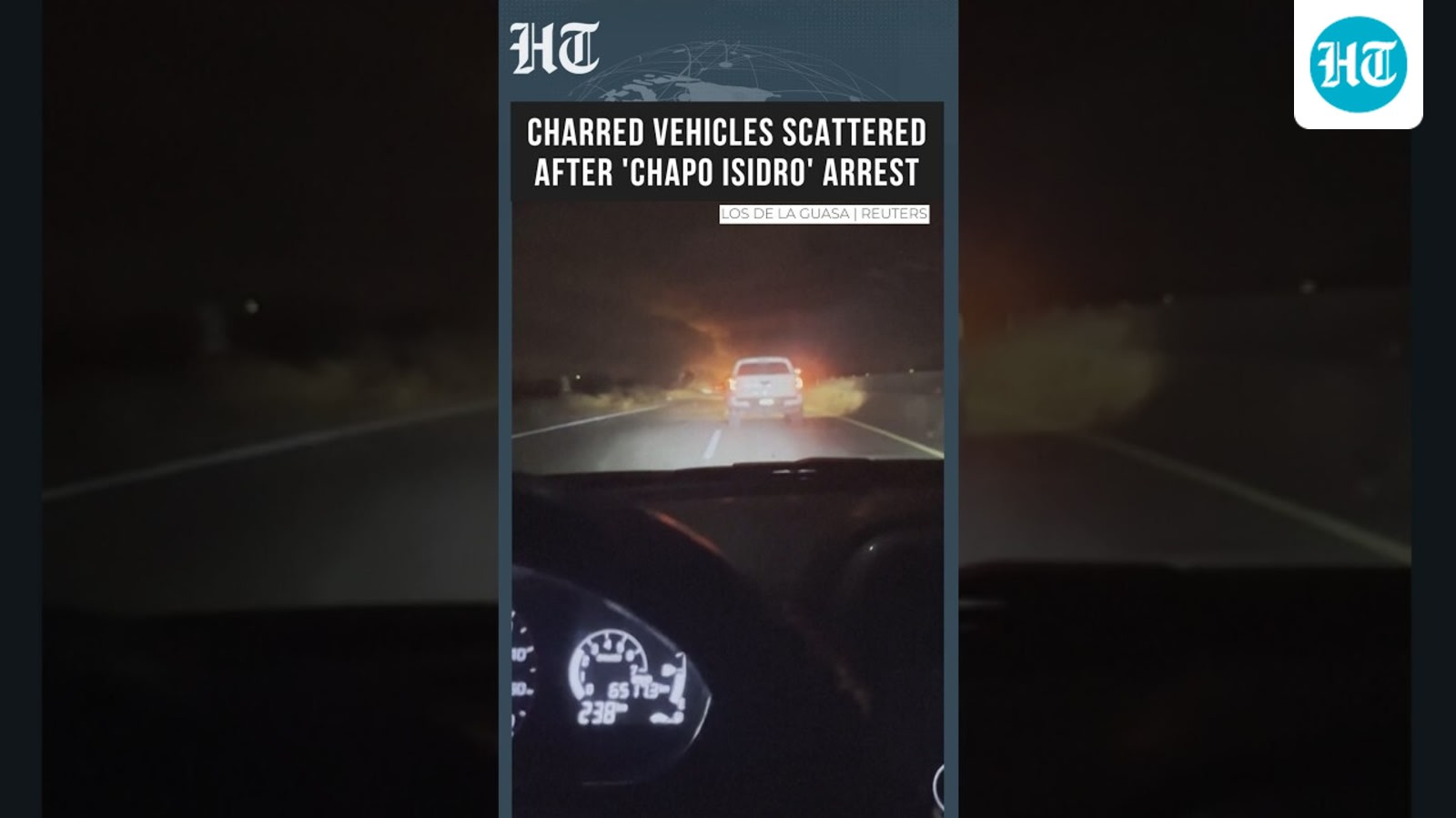
The reported arrest of drug trafficking leader Fausto Isidro Meza Flores, known as 'Chapo Isidro', has triggered violent unrest in Sinaloa. Charred vehicles now litter the region, highlighting the persistent security challenges posed by cartel activity in the area.
The Arrest of 'Chapo Isidro' and the Aftermath in Sinaloa
The recent reports concerning the arrest of Fausto Isidro Meza Flores, commonly referred to as 'Chapo Isidro,' have sent shockwaves through the state of Sinaloa, Mexico. As an alleged leader in drug trafficking operations, his detention represents a significant, albeit volatile, moment in the ongoing conflict between state security forces and organized crime syndicates. The immediate visual evidence of this operation—charred vehicles scattered across local thoroughfares—serves as a stark reminder of the high-stakes environment in which these law enforcement actions take place.
The Security Landscape in Sinaloa
Sinaloa has long served as a focal point for cartel-related activity, deeply entrenched in the history of international drug trafficking. The presence of burned-out vehicles is a recurring manifestation of the 'narcocultura' and the defensive tactics employed by criminal organizations to impede state authorities. By obstructing major roads with destroyed machinery, these groups seek to create logistical chaos, effectively slowing down military and police movements during high-profile operations.
Implications of High-Value Arrests
When an individual of 'Chapo Isidro's' alleged stature is targeted, the resulting power vacuum often triggers a cycle of instability. Historical precedent in Mexico suggests that the removal of a top-tier leader frequently leads to internal power struggles within the organization or retaliatory strikes against civil infrastructure. The scattered wreckage observed in Sinaloa is emblematic of this reactive violence, where the objective is to project strength and signal to the public that the cartel remains a disruptive force despite the loss of its leadership.
Challenges to Independent Verification
While the destruction of vehicles is clearly documented through footage, the broader circumstances surrounding the operation remain fluid. The fact that the specific chain of events leading to these incidents has not been independently established highlights the difficulty of reporting in regions dominated by cartel influence. Information often emerges through fragmented channels, necessitating a cautious interpretation of how the arrest was conducted and the tactical response that followed.
Future Trends in Regional Stability
Looking forward, the security situation in Sinaloa will likely remain precarious as authorities attempt to consolidate control following the arrest. The tactical use of roadblocks and vehicle destruction is a hallmark of defensive cartel operations, and the state's ability to maintain order will depend on its capacity to neutralize these defensive measures quickly. Investors, residents, and regional observers must remain vigilant, as the aftermath of such arrests often dictates the security rhythm of the region for months to come.
Concluding Assessment
The arrest of Fausto Isidro Meza Flores is a critical development in the fight against organized crime. However, the charred debris left in the wake of the operation underscores that the arrest is merely one tactical move in a much larger, enduring conflict. The state's challenge lies not just in the apprehension of key figures, but in managing the predictable, violent backlash that threatens the safety and stability of the civilian population in Sinaloa.
Verification Required?