About 15,000 pilgrims stranded along Kedarnath trek route after landslide evacuated
Source Entity
The Indian Express
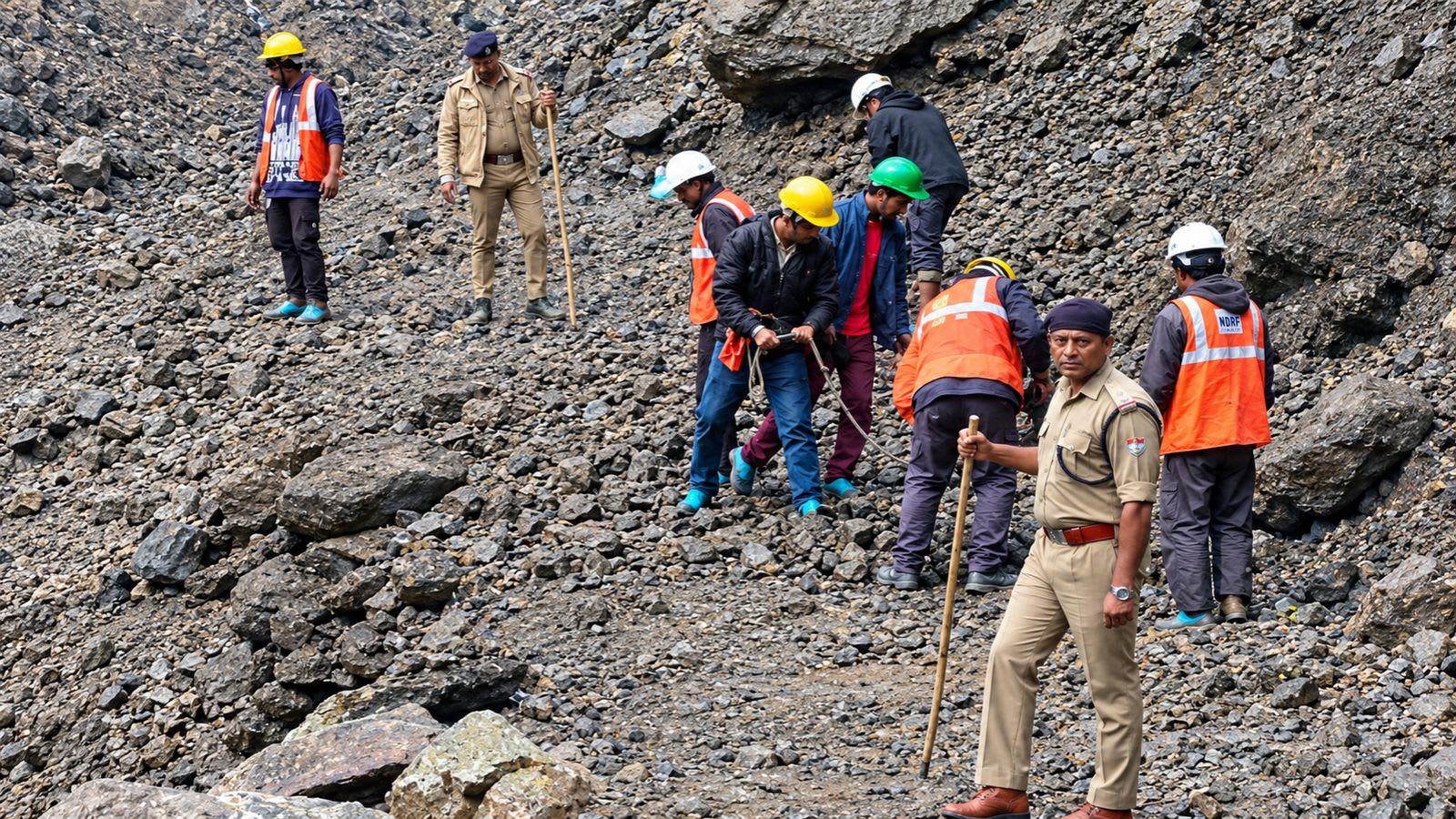
Uttarakhand faces severe weather disruptions as the Char Dham Yatra is suspended due to heavy rain and snowfall. Rescue teams successfully evacuated 1,500 pilgrims from the Kedarnath route following a landslide, while efforts continue to reach stranded mountaineers.
Crisis in the Himalayas: Weather Disruptions Halt Char Dham Yatra
The mountainous landscape of Uttarakhand has once again become the stage for a critical humanitarian challenge as incessant heavy rains and sudden snowfall have forced the suspension of the Char Dham Yatra for two consecutive days. The regional climate, known for its rapid shifts, has turned treacherous, leading to fatalities and leaving thousands of individuals, including international mountaineers and pilgrims, in precarious positions across the state’s high-altitude terrain.
The Human Impact and Rescue Operations
As of the latest reports, the situation remains fluid. Beyond the suspension of religious pilgrimage, approximately 136 mountaineers—a group that includes several foreign nationals—remain stranded in remote mountainous regions. Concurrently, a major rescue operation was successfully executed near the Kedarnath trek route. Joint teams from the State Disaster Response Force (SDRF), the National Disaster Response Force (NDRF), and the District Disaster Response Force (DDRF) managed to evacuate 1,500 pilgrims who were trapped in the Chirbasa area following a significant landslide.
Infrastructure and Environmental Hazards
The landslide near the Chirbasa helipad highlights the fragility of infrastructure in the Garhwal Himalayas. Continuous rockfall and debris accumulation not only blocked the pedestrian trek route but also necessitated a high-stakes coordination effort between multiple disaster management agencies. The severity of the weather is further evidenced by the rising water levels of the Ganga near Rishikesh, which has led to the suspension of all rafting activities, signaling a widespread threat to both tourism and local transit.
Broader Implications for Disaster Management
The deployment of specialized forces like the NDRF and SDRF underscores the state's reliance on rapid-response protocols during peak pilgrimage seasons. The necessity to airlift stranded mountaineers via helicopters highlights the logistical limitations posed by the terrain during extreme weather events. These incidents reflect a recurring pattern in Uttarakhand, where heavy precipitation often triggers geological instability, complicating the management of large-scale influxes of visitors.
Historical Context and Future Trends
Historically, the Char Dham Yatra has been vulnerable to the unpredictable monsoon and post-monsoon weather cycles. The recent events serve as a stark reminder of the environmental risks inherent in high-altitude tourism. As climate patterns become increasingly erratic, the state government faces the growing challenge of balancing economic dependency on pilgrimage tourism with the safety of thousands of daily visitors. Future trends suggest a need for more robust, real-time warning systems and possibly stricter regulation of trek routes during high-alert weather conditions.
Conclusion
While the successful evacuation of the 1,500 pilgrims from the Kedarnath route is a testament to the effectiveness of the joint disaster management teams, the ongoing suspension of the Yatra and the plight of the remaining mountaineers highlight the persistent dangers of the region. Authorities continue to monitor the situation closely, prioritizing the safety of those stranded as they work to clear debris and restore access to affected areas.