Chef Kunal Kapur shares simple and delicious kala chana chaat recipe: See step-by-step preparation
Source Entity
Latest News: Today's Latest News Headlines from India & World | Hindustan Times | Hindustan Times
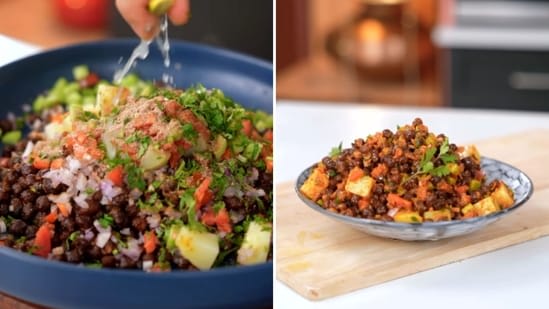
Kala chana chaat has been a popular street snack for ages. Kunal Kapur shows how to whip it up at home with simple ingredients.
Democratizing Street Food: Chef Kunal Kapur's Approach to Kala Chana Chaat
In a recent culinary outreach, renowned Chef Kunal Kapur has shared a comprehensive, step-by-step guide to preparing Kala Chana Chaat, one of India's most enduring street food staples. By breaking down the preparation into simple, manageable steps and utilizing common household ingredients, Kapur aims to bridge the gap between professional gastronomic standards and the everyday home cook. This initiative reflects a broader trend in the culinary world where celebrity chefs leverage their platform to make traditional, complex flavors accessible to the masses.
The Cultural Legacy of Chaat
To understand the significance of this recipe, one must look at the cultural role of 'chaat' in the Indian subcontinent. Chaat refers to a category of savory snacks that typically balance the four primary taste profiles: sweet, salty, spicy, and sour. Kala Chana (black chickpeas) serves as a robust, earthy base that absorbs these contrasting flavors perfectly. By highlighting this specific dish, Chef Kapur is not just sharing a recipe, but is preserving a street-food heritage that has defined the urban landscape of Indian cities for generations, ensuring that the authentic taste of the streets is replicated accurately in domestic settings.
Nutritional Value and Health Consciousness
Beyond the taste, the focus on Kala Chana is particularly relevant in today's health-conscious environment. Black chickpeas are renowned for being rich in plant-based protein, dietary fiber, and essential minerals. Unlike many fried street snacks, a chana chaat is primarily based on boiled legumes and fresh vegetables, making it a nutrient-dense option. Chef Kapur's emphasis on 'simple ingredients' likely encourages the use of fresh produce over processed additives, aligning the traditional snack with modern dietary goals of increasing protein intake and reducing the consumption of refined oils.
The Impact of Digital Culinary Education
The method of delivery—a step-by-step preparation guide—underscores the shift toward digital culinary education. In an era of short-form video content and social media tutorials, the ability to distill a professional technique into a 'simple' home version is a critical skill. By providing a structured approach, Kapur removes the intimidation factor associated with professional cooking. This trend suggests a future where home cooking is less about following rigid cookbooks and more about following dynamic, expert-led guides that adapt to the available resources of the user.
The Shift Toward Home-made Street Food
There has been a noticeable trend of consumers moving away from street vendors toward home-made versions of popular snacks, driven largely by concerns over hygiene and ingredient quality. Chef Kapur's recipe arrives at a time when people are seeking the 'nostalgia' of street food without the associated health risks. By empowering users to create their own Kala Chana Chaat, he is facilitating a transition where the 'experience' of street food is decoupled from the street itself and integrated into the safety and cleanliness of the home kitchen.
Conclusion: Preserving Tradition through Simplicity
Ultimately, Chef Kunal Kapur's sharing of the Kala Chana Chaat recipe is a testament to the power of simplicity in culinary arts. By focusing on a dish that is both humble and flavorful, he reinforces the idea that great food does not require exotic ingredients, but rather a correct understanding of balance and technique. This contribution not only encourages home cooking but also ensures that the vibrant flavors of Indian street food continue to evolve and thrive in a modern, health-oriented context.
Verification Required?