Up a hill and into a forest: How to tranquilise a 3,000-kg elephant, the Chhattisgarh way
Source Entity
Jayprakash S Naidu
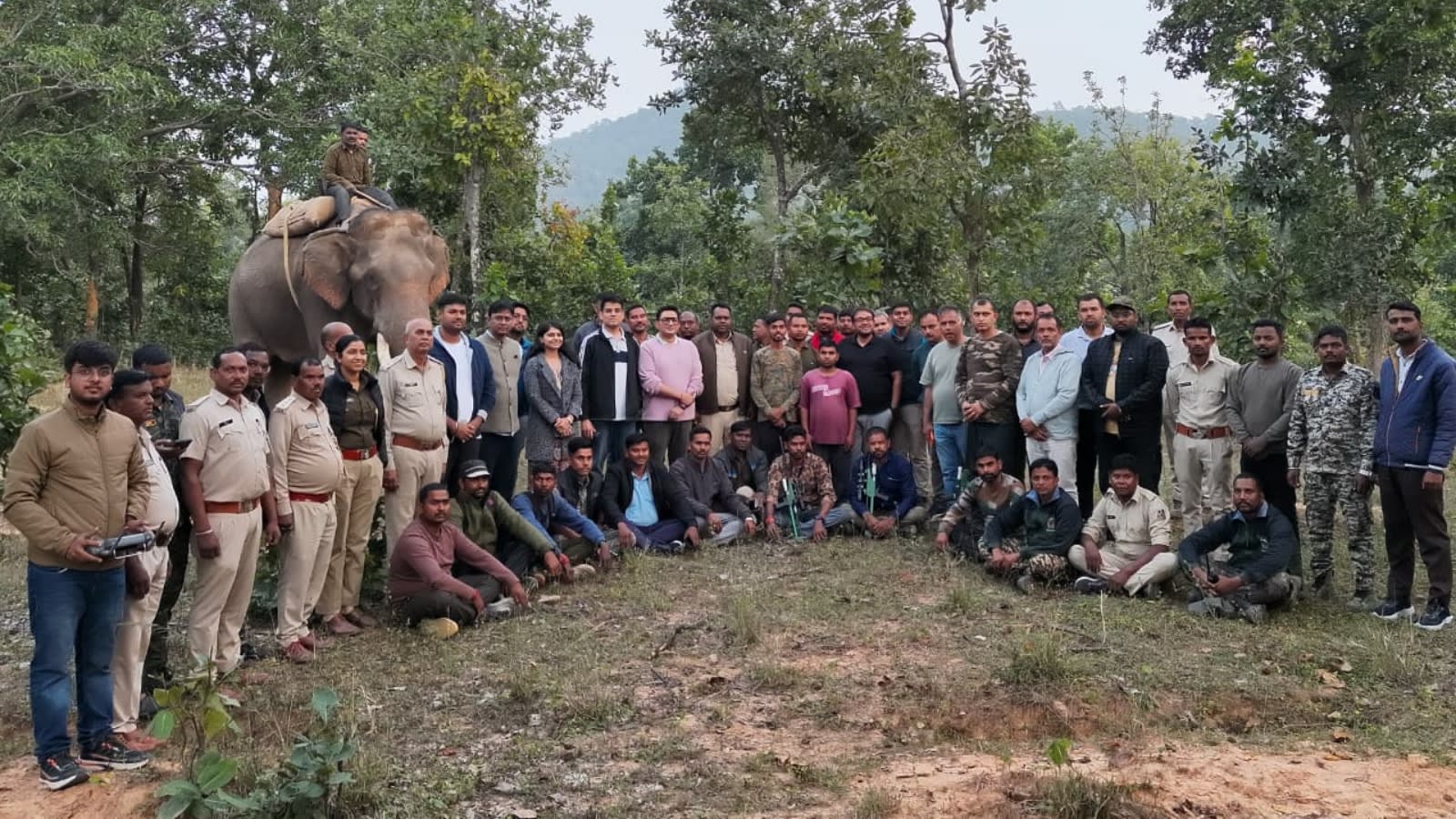
Chhattisgarh forest officials successfully tranquilized a 3,000 kg elephant known as 'Kabra Kaan' after a week-long operation. The elephant, linked to 16 fatalities, was radio-collared and released back into the wild to monitor its movements.
The Complex Operation to Neutralize a Rogue Elephant
The recent successful operation by the Chhattisgarh forest department to tranquilize 'Kabra Kaan,' a 3,000 kg wild elephant, highlights the immense logistical and human challenges inherent in managing human-wildlife conflict in India. The elephant, which had become a source of terror in the region, was allegedly responsible for the deaths of 16 people over a span of six to seven months. The complexity of the operation, which took an entire week, underscores the necessity of inter-agency cooperation and the mobilization of significant resources to address such high-stakes situations.
Logistical Scale and Resource Mobilization
Neutralizing an animal of this size requires more than just veterinary expertise; it demands a massive, coordinated effort. The Chhattisgarh operation involved over 100 forest officials and staff, supported by three specialized veterinary doctors. The use of two trained elephants, often referred to as 'kumkis,' proved vital in tracking and managing the wild bull in the rugged terrain of the Ramgarh hill in the Surguja district. The inclusion of drone technology allowed for real-time surveillance, ensuring the safety of both the personnel involved and the animal during the sensitive immobilization process.
The Challenge of Musth and Public Safety
'Kabra Kaan' was in a state of 'musth,' a periodic condition in bull elephants characterized by a dramatic increase in reproductive hormones, leading to highly aggressive and unpredictable behavior. Managing an elephant in this state is exceptionally dangerous. The forest department’s decision to pursue a tranquilization strategy rather than lethal force reflects an evolving approach to wildlife management that prioritizes conservation while balancing the immediate, urgent need to protect human lives from ongoing threats.
Monitoring and Future Mitigation
Following the successful tranquilization, officials took the critical step of fitting the elephant with a radio collar before releasing it back into the wild. This technological intervention is a cornerstone of modern wildlife management, allowing authorities to track the animal’s movements remotely. By monitoring the elephant’s location, the forest department can now provide early warnings to local villagers, hopefully preventing further tragic encounters and managing the territorial overlap between human settlements and the elephant’s habitat.
Broader Implications for Wildlife Management
This incident in Surguja serves as a microcosm of the escalating human-elephant conflict in India, driven by habitat fragmentation and the encroachment of human activity into traditional wildlife corridors. The success of this operation demonstrates that while technology and professional expertise can mitigate immediate threats, the long-term solution requires a broader strategy of landscape management. As India continues to balance developmental needs with the preservation of its megafauna, the model of 'round-the-clock monitoring' and community-involved forest management will likely become the standard for addressing such critical wildlife conflicts.