4 Killed After Part Of Chimney Collapses At Power Plant In Bengal's Asansol
Source Entity
NDTV News Search Records Found 1000
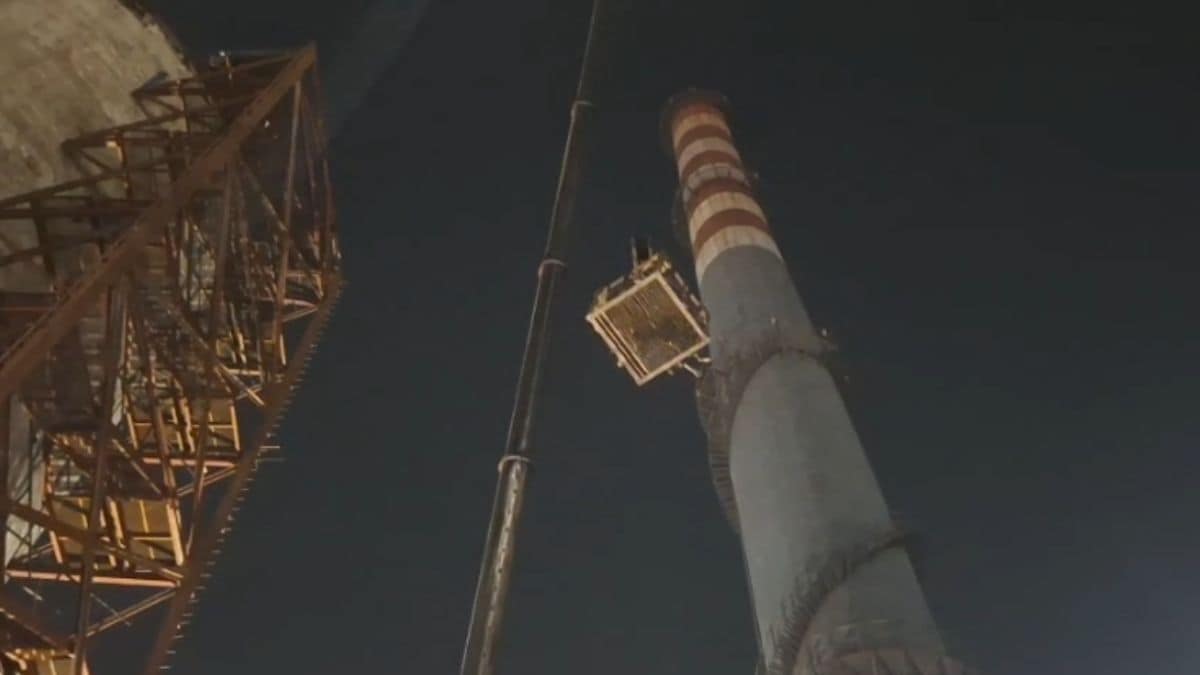
A chimney collapse at a power plant in Asansol, West Bengal, has resulted in the deaths of four workers. While several other employees managed to escape the site, the incident has raised immediate concerns regarding industrial safety protocols.
Industrial Tragedy in Asansol
A tragic industrial accident occurred in Asansol, West Bengal, where a portion of a chimney collapsed at a local power plant, resulting in the loss of four lives. The structural failure, which occurred abruptly, sent shockwaves through the facility and highlighted the inherent dangers faced by laborers in high-risk industrial environments. While the primary loss of life is confirmed, the fact that several other workers managed to escape the scene suggests that the collapse was localized, yet severe enough to cause immediate casualties.
The Immediate Aftermath and Safety Concerns
The collapse of a chimney structure within an operational power plant is a significant event that necessitates a thorough investigation into structural integrity and maintenance standards. Power plants utilize massive, load-bearing infrastructure that requires rigorous, periodic inspections to ensure safety compliance. When such a structure fails, it typically points toward potential issues ranging from material degradation and corrosion to seismic vulnerability or failure in maintenance protocols, which are critical in the harsh, high-heat environments characteristic of power generation facilities.
Industrial Context in West Bengal
Asansol is a critical industrial hub in West Bengal, historically known for its coal mining and power generation sectors. The region has long been the backbone of the state's energy supply, housing numerous thermal power plants. However, the aging infrastructure of many plants in this belt presents a recurring challenge. As these facilities continue to operate, the pressure to maintain output often intersects with the need for extensive retrofitting and safety upgrades, a balance that is vital to preventing future catastrophes of this nature.
Broader Implications for Occupational Safety
The incident serves as a grim reminder of the vital importance of the Occupational Safety and Health (OSH) standards in India. For workers on the ground, the unpredictability of structural failures underscores the need for continuous training, emergency evacuation drills, and the strict enforcement of safety regulations. When a chimney—a core component of a power plant—fails, it disrupts not only the lives of the affected families but also questions the efficacy of the site’s internal safety auditing systems.
Future Trends and Regulatory Oversight
Moving forward, it is expected that regulatory bodies will mandate a comprehensive structural audit of similar plants within the region to prevent further incidents. There is a growing trend toward integrating sensor-based structural health monitoring (SHM) in industrial plants, which could provide early warnings of material fatigue or structural shifts. If implemented, such technologies could serve as a vital safeguard, ensuring that human lives are not compromised by the decay of aging industrial assets.
Conclusion
In summary, the collapse in Asansol is a sobering event that demands accountability and a renewed focus on industrial safety. While the immediate focus remains on the grieving families and the recovery efforts, the long-term resolution must involve a systemic review of maintenance practices. By prioritizing the safety of the workforce over operational convenience, industrial facilities can work toward mitigating the risks associated with large-scale energy production.
Verification Required?