OpenAI is scared of open-weight models. Should the US be?
Source Entity
Tim Fernholz
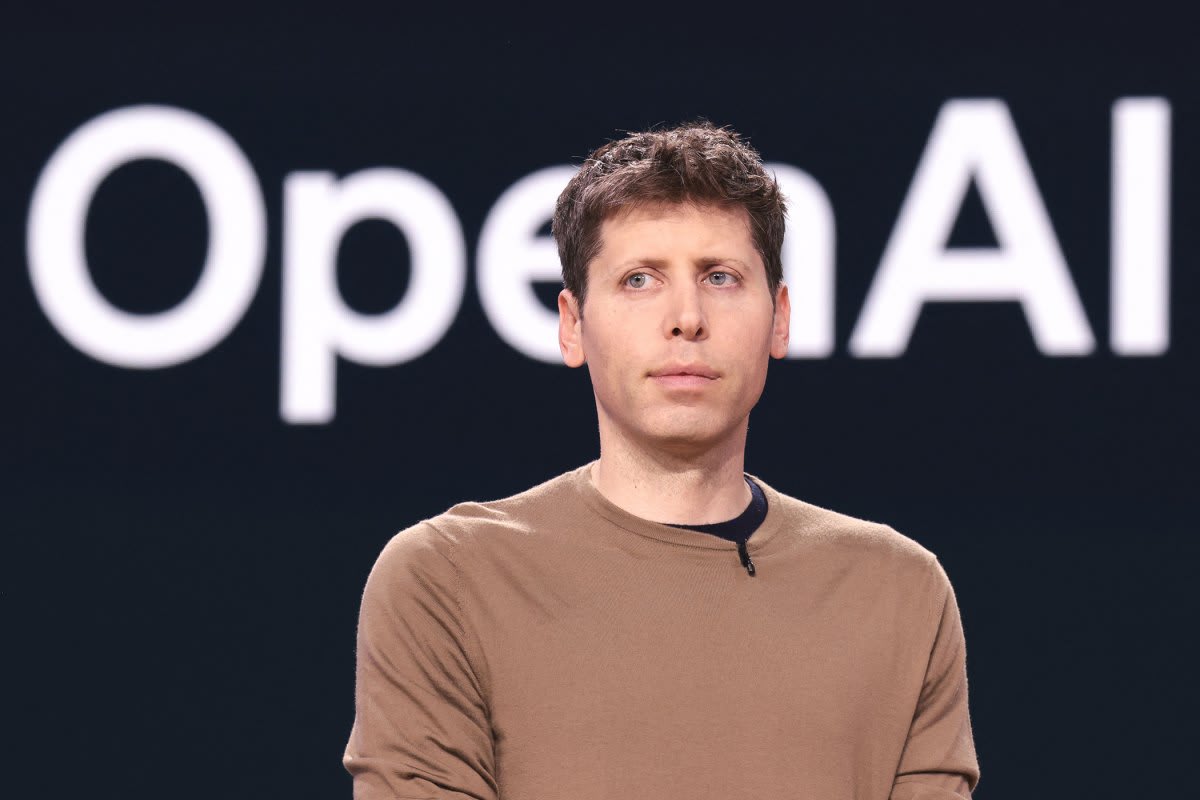
Chinese AI firms like Moonshot and Alibaba are challenging US dominance with high-performance, cost-effective, open-weight models. This shift toward open-source accessibility is sparking intense debate over whether proprietary US strategies can maintain their competitive edge.
The Shift in the AI Frontier: China’s Strategic Pivot
The landscape of artificial intelligence is undergoing a seismic shift as Chinese firms, most notably Moonshot AI and Alibaba, begin to challenge the long-standing hegemony of Silicon Valley giants like OpenAI and Anthropic. The recent unveiling of Moonshot’s Kimi K3, a model that boasts performance metrics rivaling top-tier US systems at a fraction of the cost, marks a strategic departure from the closed-ecosystem model favored by many American labs. This development signals that the technical gap, which many assumed was firmly in the hands of the United States, is narrowing at an unprecedented pace.
Open-Weights vs. Proprietary Moats
A core tension in this evolution is the debate between proprietary, locked-down models and the open-weights strategy currently gaining momentum in China. While US companies have historically relied on a 'walled garden' approach, critics argue that this strategy may be fundamentally flawed. In the current market, AI models themselves have limited defensive 'moats' due to low switching costs for users. Instead, the real value lies in the enterprise ecosystem—the deep integrations, service contracts, and workflow connectivity—that surround these models. By prioritizing open-weights, Chinese firms are effectively democratizing access, potentially capturing market share by making their technology more accessible for widespread adoption.
Geopolitical and Economic Implications
AI is no longer just a technological pursuit; it has become central to national security, economic power, and geopolitical influence. The rapid-fire releases from Beijing-based developers suggest that China is leveraging its industrial capacity to turn AI into a commodity. This threatens the economic viability of the American 'frontier lab' business model, which relies heavily on massive capital expenditure. If high-performance models become cheaper and more available through open-weight channels, the competitive advantage of US firms—which is predicated on charging premiums for exclusive access—could be severely undermined.
The Regulatory Dilemma
The competitive pressure has prompted a contentious internal debate within the US tech establishment. Figures like Dean W. Ball of OpenAI have previously suggested that the US government should foster regulatory uncertainty around open-weight models to protect proprietary interests. However, this stance has faced significant pushback from industry luminaries like Yann LeCun, who argue that open software is an essential engine for innovation. The tension highlights a growing fear: that regulatory intervention might be used not just for safety, but as a protectionist tool to shield American companies from superior or more cost-effective international alternatives.
Future Trends and Conclusion
Looking ahead, the success of the Chinese open-weights strategy will likely force a reckoning in Silicon Valley. If the market continues to favor interoperability and cost-efficiency over proprietary isolation, US firms may need to pivot their business models to survive. The ability of companies to build 'moats' through enterprise services rather than just model performance will determine the next phase of the AI arms race. Ultimately, the rise of powerful, accessible models from China suggests that the era of uncontested US dominance in AI is over, ushering in a more fragmented and highly competitive global landscape.
Multiple Citing Sources